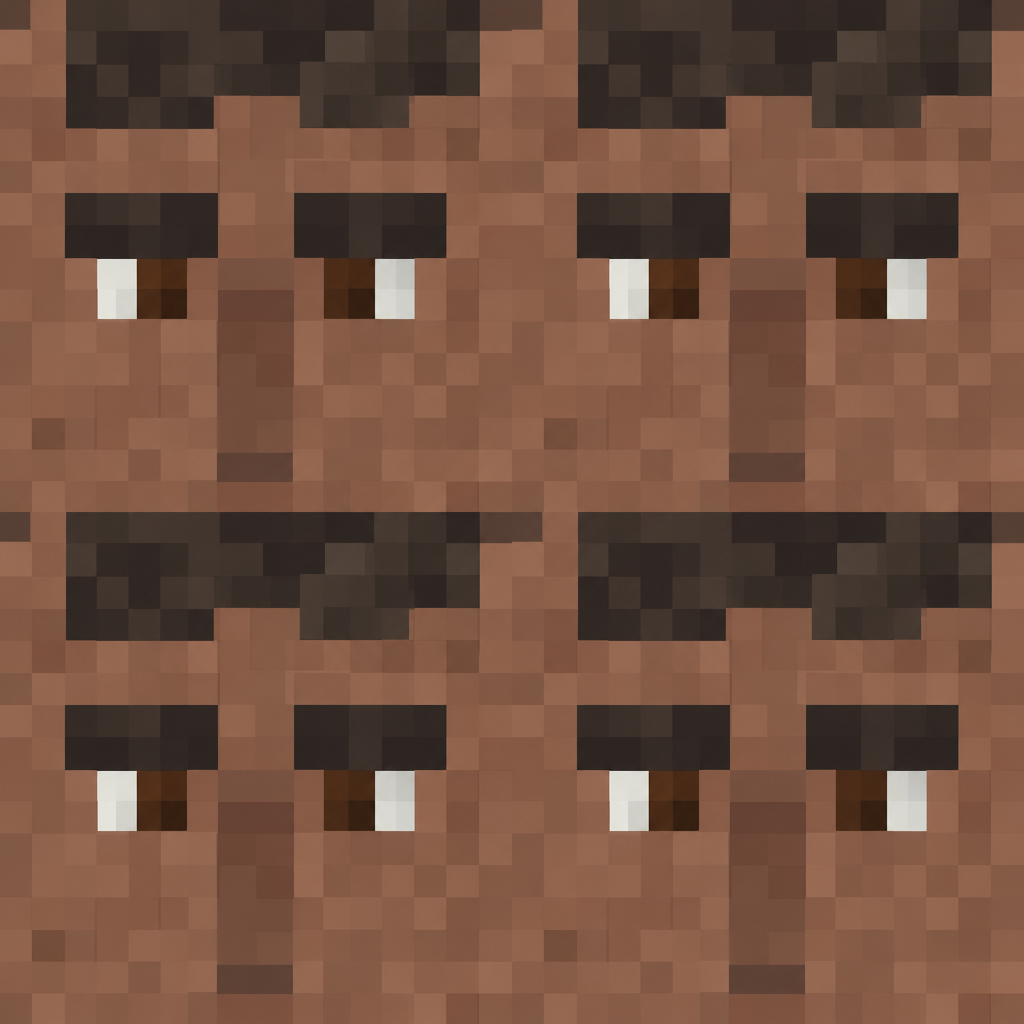
Brown Pixel-Art Face Repeat Texture
Pixelated human faces with dark hair and brown skin repeat in a two-column block pattern, with square eyes and simplified features. Use it for retro character or skin-map concepts; the coarse pixel grid is an intentional graphic treatment rather than natural surface detail.
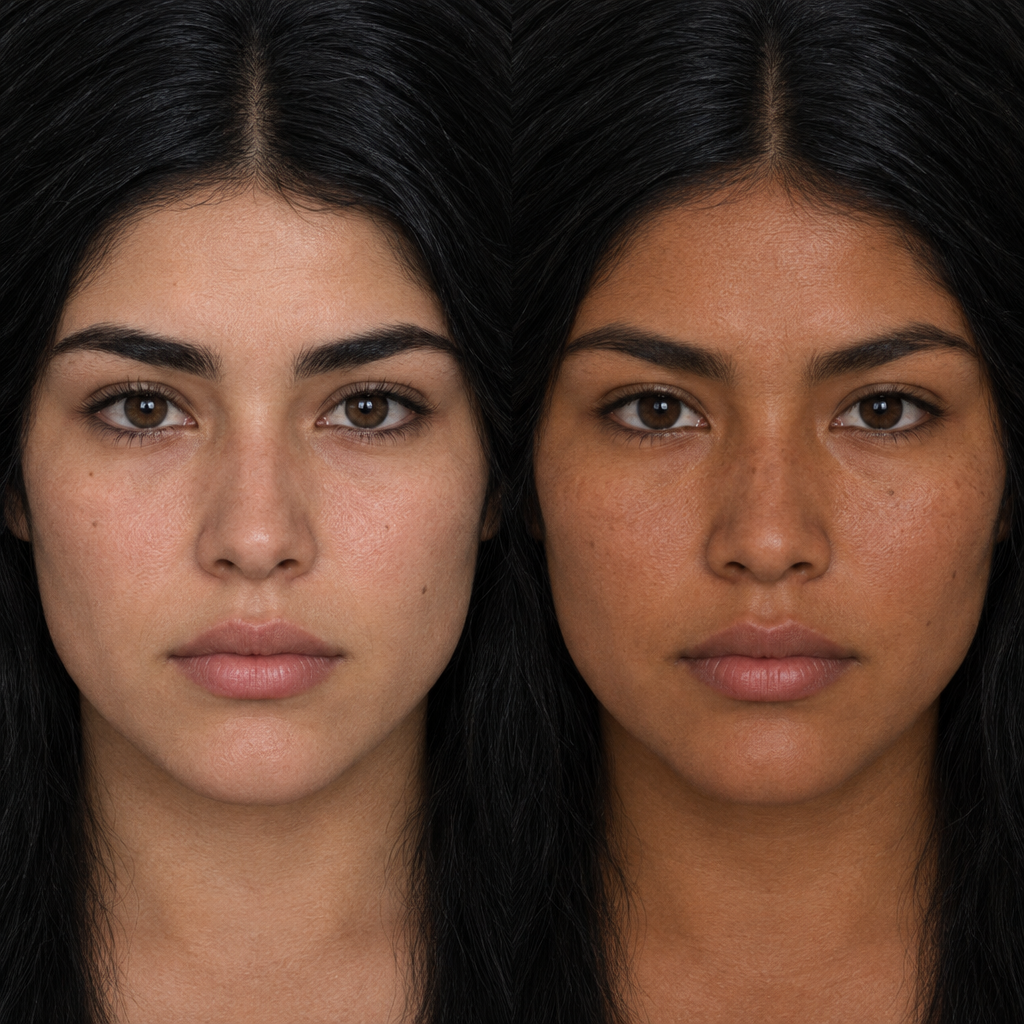
Paired Warm-Tan and Brown Portrait Skin Texture
Two side-by-side photographic face crops show warm tan and brown skin, dark hair, pores, and subtle tonal variation. Use it as a paired skin reference for character materials; consider the separate lighting and crop before combining the halves.
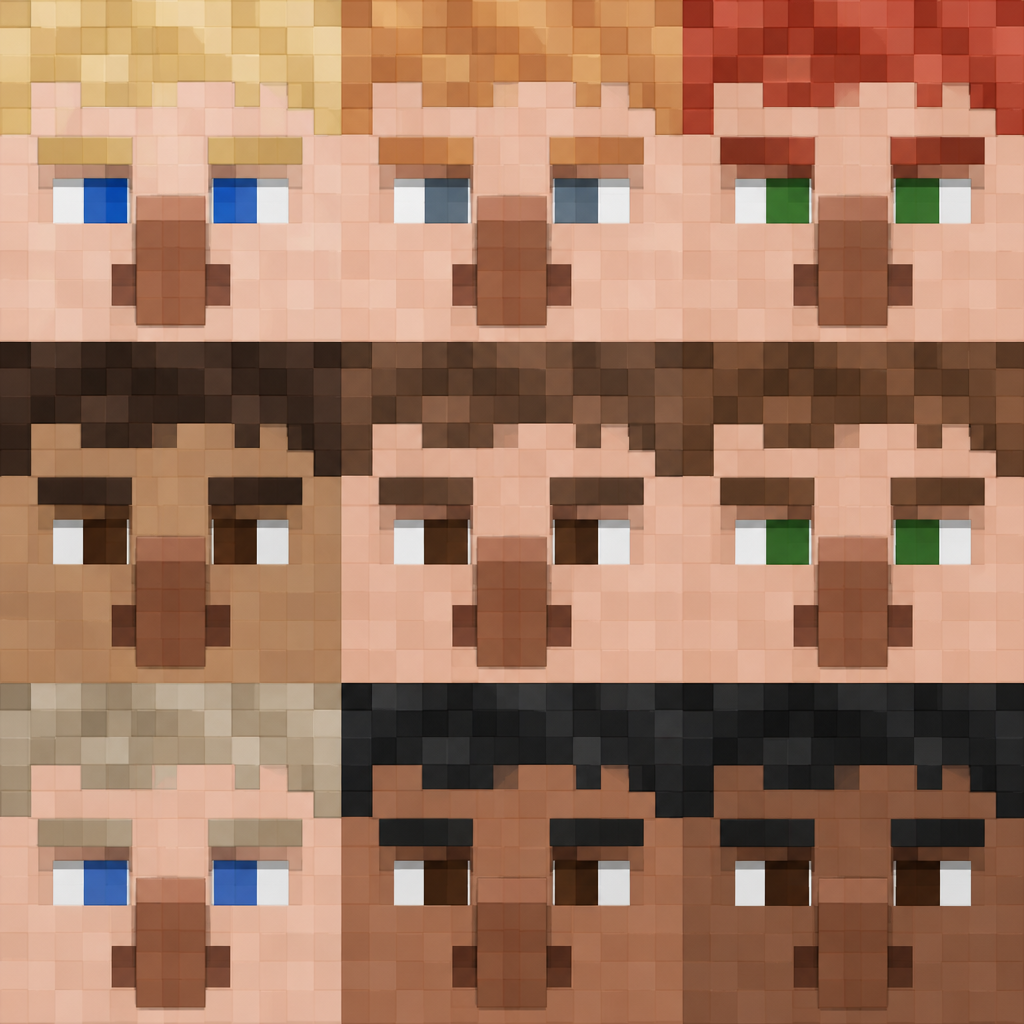
Pixel-Art Human Face Panel Texture
Blocky pixel-art human faces repeat in horizontal bands, with varied skin tones, hair colors, and simple square features. Use it for retro character surfaces or stylized assets; the coarse blocks are intentional and will not resemble photographic skin at close scale.
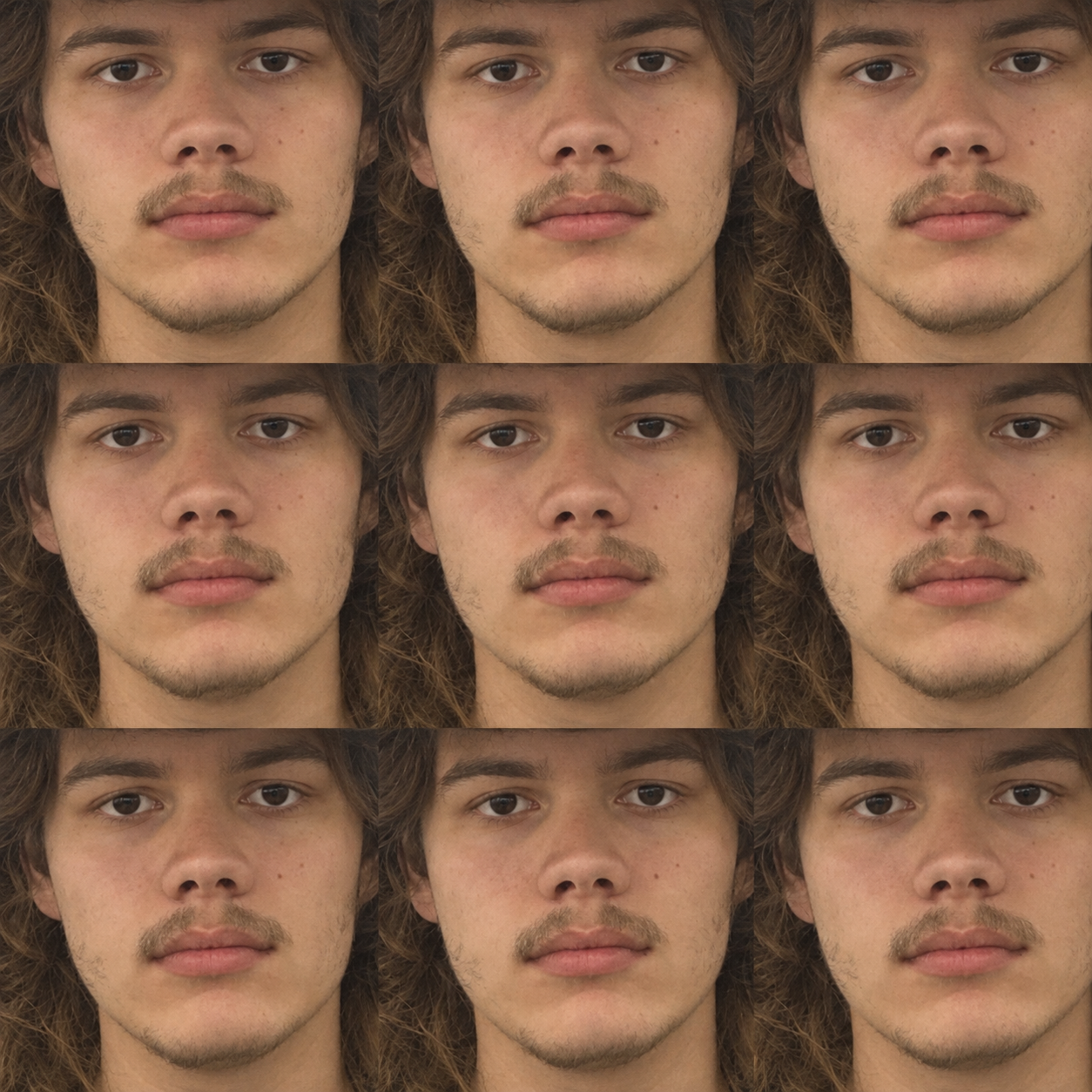
Warm Brown Repeated Portrait Skin Texture
A warm-brown photographic close-up repeats a human face in a three-by-three grid, with visible skin detail, dark hair, and muted highlights. Use it as a stylized portrait or skin reference surface; check the repeated crop and lighting against the intended UV scale.
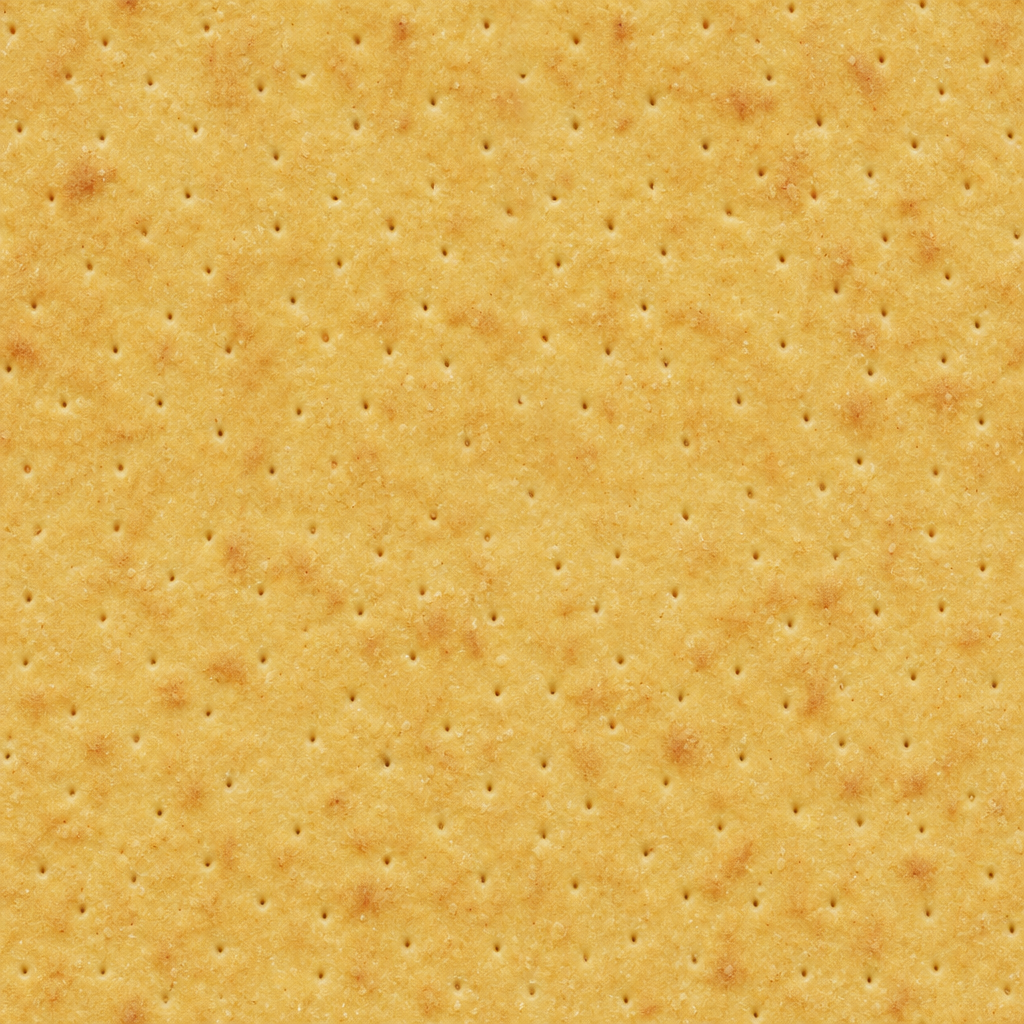
Amber Yellow Evenly Pored Surface Texture
An even ochre-yellow field contains fine dark pores and a few larger pinholes, with subtle orange mottling. Use it as a lightly porous surface reference; inspect pore scale and relief before converting brightness into normal or height detail.
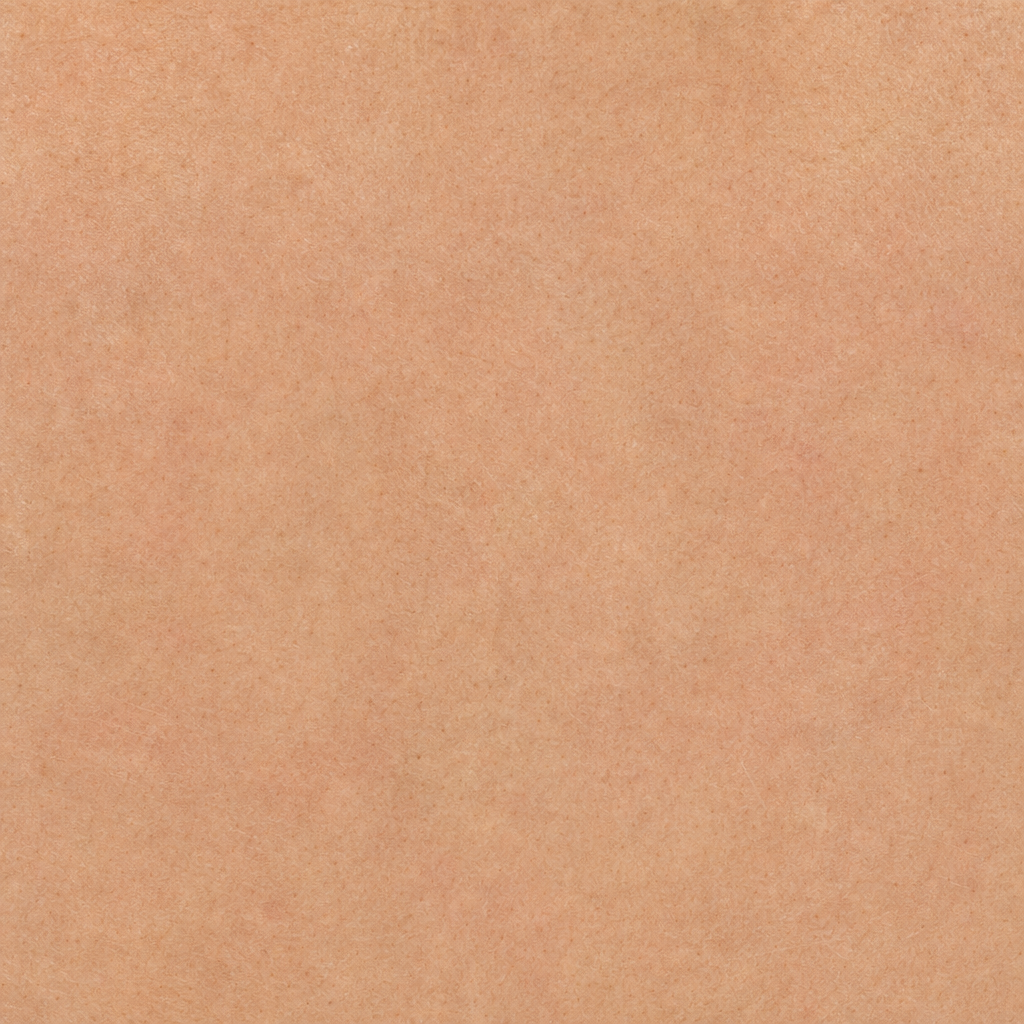
Peach Matte Skin Surface Texture
Peach Matte Skin Surface Texture shows a peach-tan matte surface with very fine pore-like grain and soft tonal variation. Use this visually inspected surface for character skin studies, silicone props, soft organic surfaces, and shader tests; confirm physical scale, edge repetition, seam continuity, and material response in the target 3D workflow before final use.
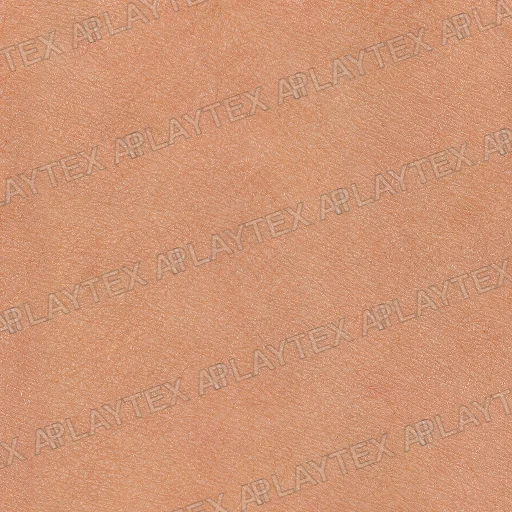
Warm Peach Fine-Pore Skin Texture
Warm Peach Fine-Pore Skin Texture shows an even peach surface covered with dense micro-pores, shallow intersecting wrinkles, and soft natural tonal variation. Use it for character skin, anatomical models, or organic shaders, then inspect the full asset for pore scale, repeat seams, subsurface color, and roughness.
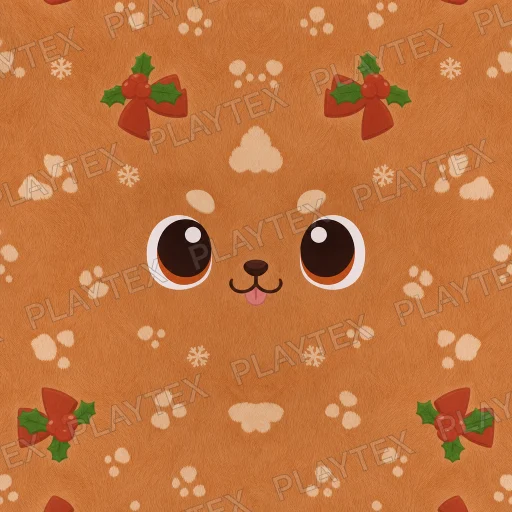
Orange Skin Organic Fabric Texture
Orange Skin Organic Fabric Texture shows orange, brown, and tan across a fabric or synthetic surface with continuous surface variation and a stylized appearance. Use it for clothing, upholstery, carpet, or soft props, then verify fiber scale, repeat landmarks, relief, and roughness under the final scene lighting.