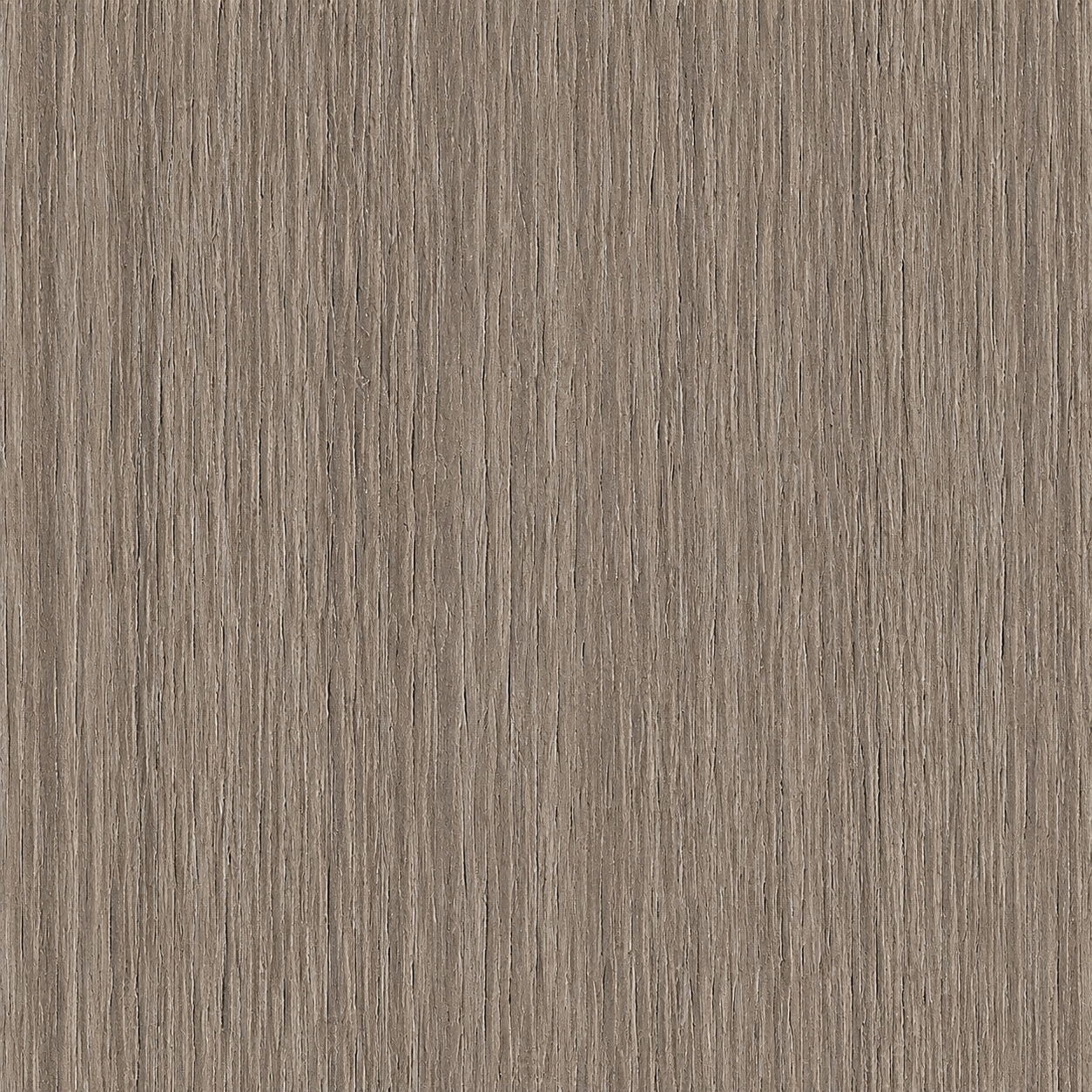
Weathered Taupe Fine Linear-Grain Wood Surface Texture
Muted taupe and gray-brown fibers form a dense fine straight grain with narrow dark lines and soft surface wear, without obvious board seams. Use it for restrained wood surfaces, checking repeat alignment and material scale before use.
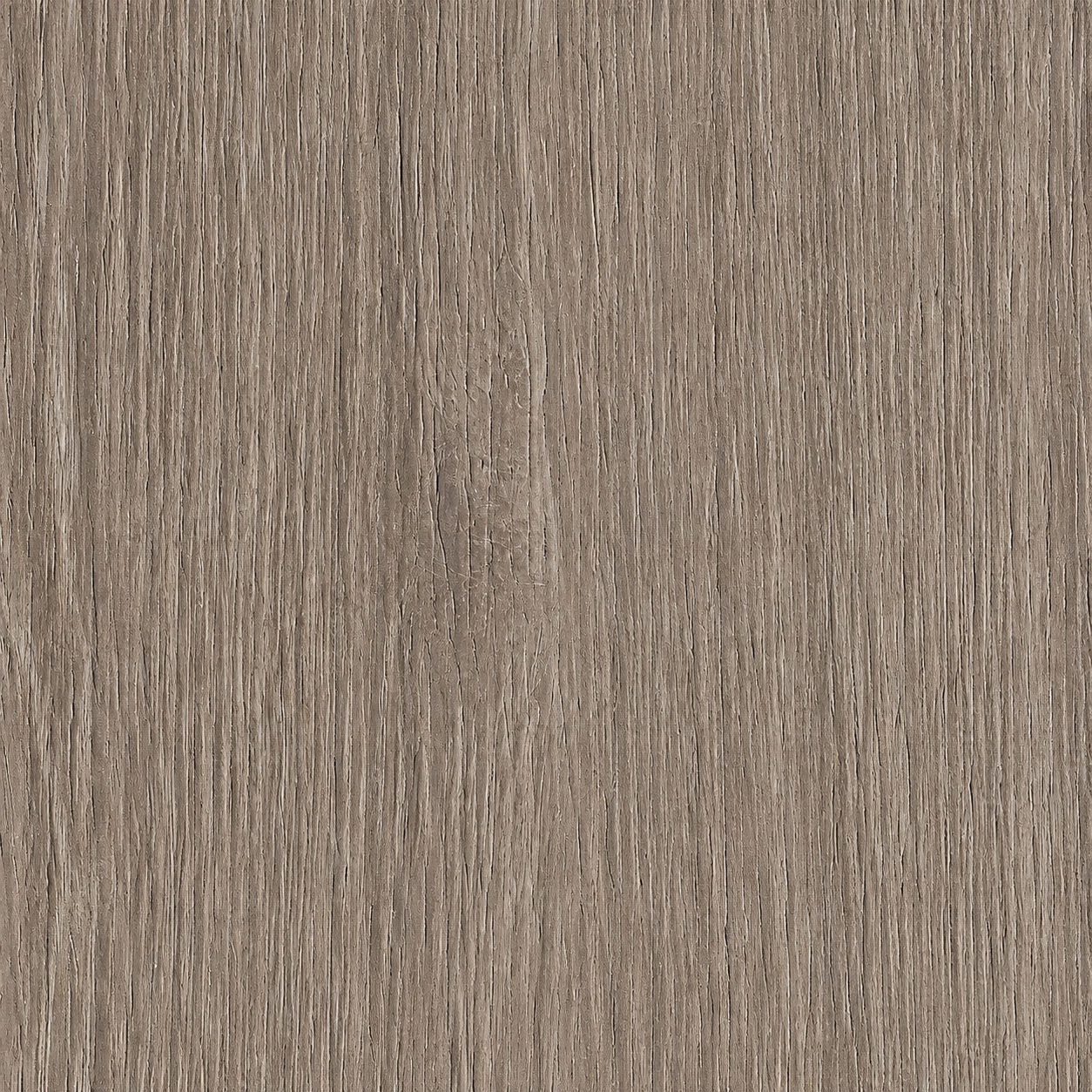
Gray-Brown Weathered Vertical-Grain Wood Texture
Gray-brown wood grain runs in fine vertical lines with dark pores, hairline cracks and scattered lighter weathering marks. Use it for aged wood surfaces or cladding, checking scale and repeat seams before building the material.
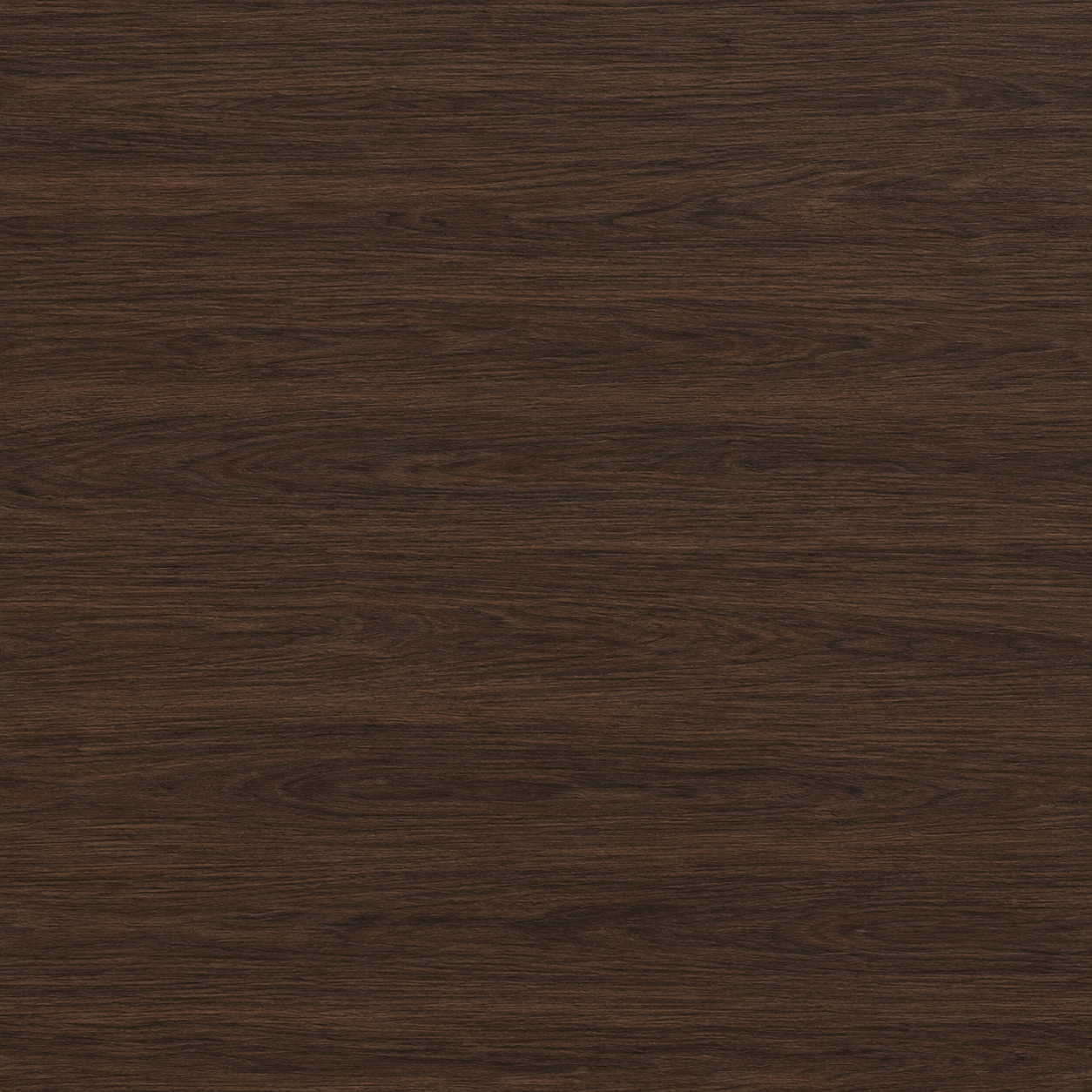
Dark Brown Smooth Wood Grain Texture
Dark Brown Smooth Wood Grain Texture. This texture features a rich, dark brown color with a subtle, horizontally oriented wood grain pattern and a smooth finish. It is intended to be seamless and tileable, suitable for various 3D applications like flooring, furniture, or wall panels.
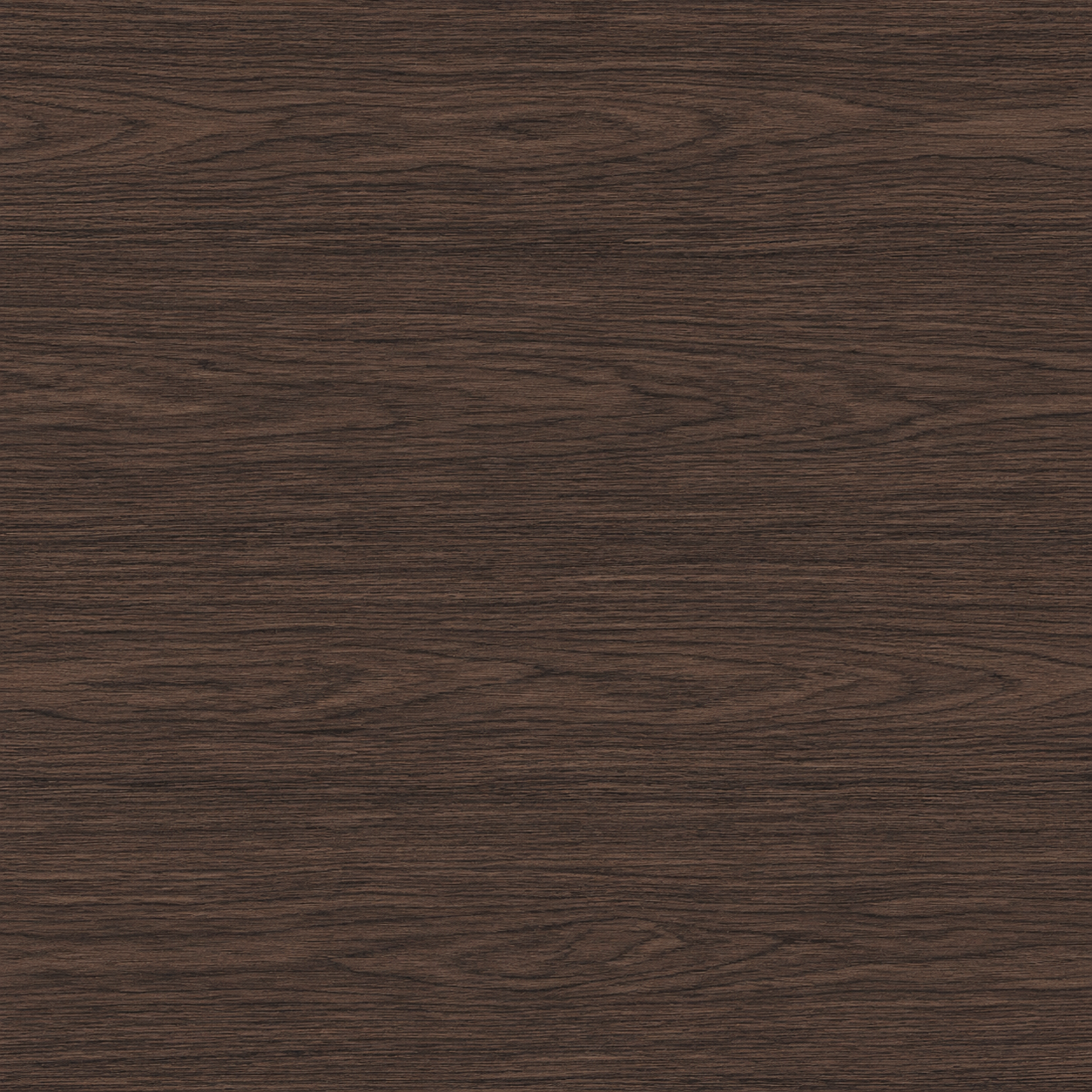
Dark Brown Smooth Wood Grain Texture
Dark Brown Smooth Wood Grain Texture. This texture features a rich dark brown color with a fine, smooth wood grain pattern. It is suitable for various 3D applications such as flooring, furniture, or wall panels and is intended to be seamless and tileable.
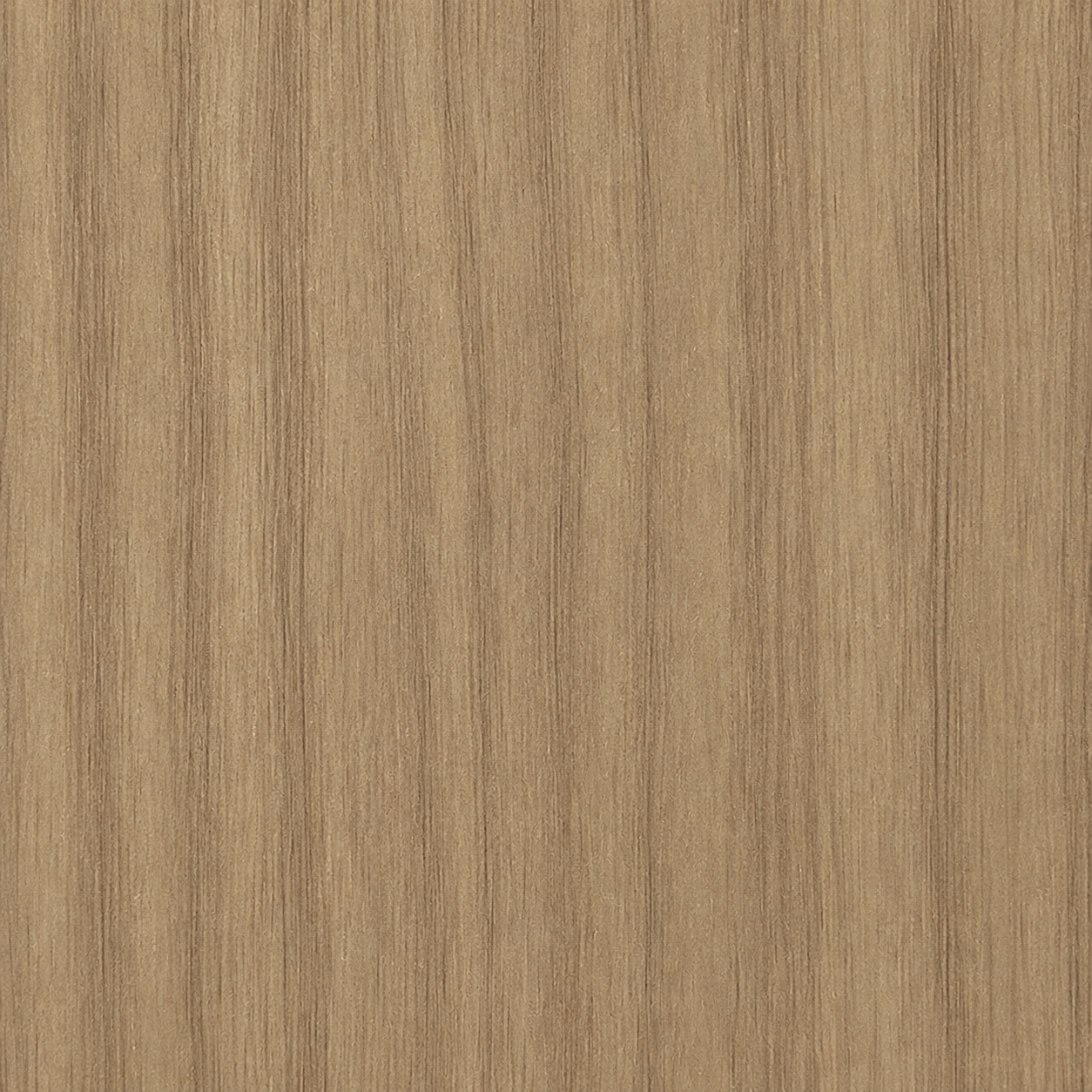
Warm Tan Fine-Grain Vertical Wood Texture
A warm tan wood face is crossed by close, mostly vertical fine grain lines, with little visible wear or large knots. Use it for light timber panels or furniture, and align the grain direction and inspect the streak spacing at the target scale because the preview does not confirm a seamless join.
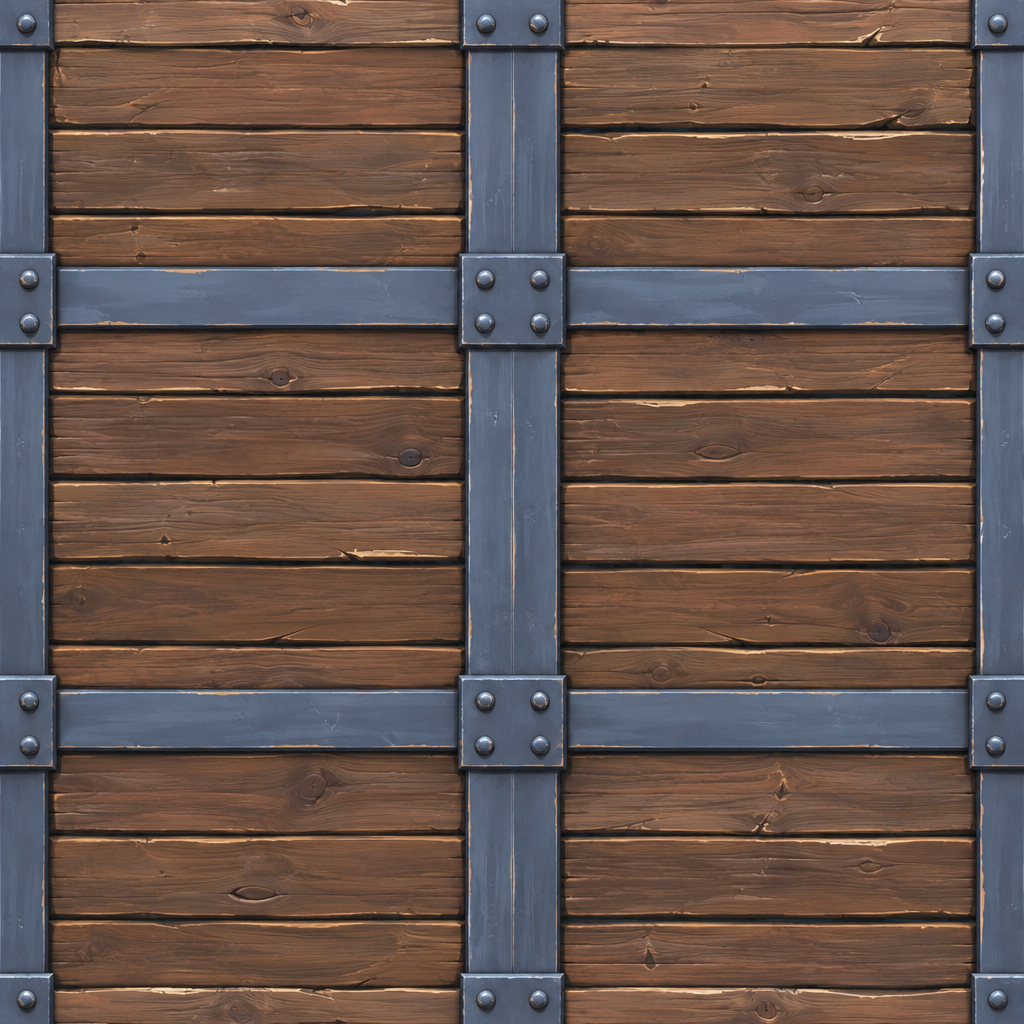
Brown Horizontal Wood Planks with Steel Straps Texture
Weathered brown horizontal planks show visible wood grain, crossed by a muted blue-gray steel strap grid with round rivets. Use it for crate or timber-wall surfaces; inspect plank scale and joint alignment before tiling because the image does not confirm a seamless repeat.
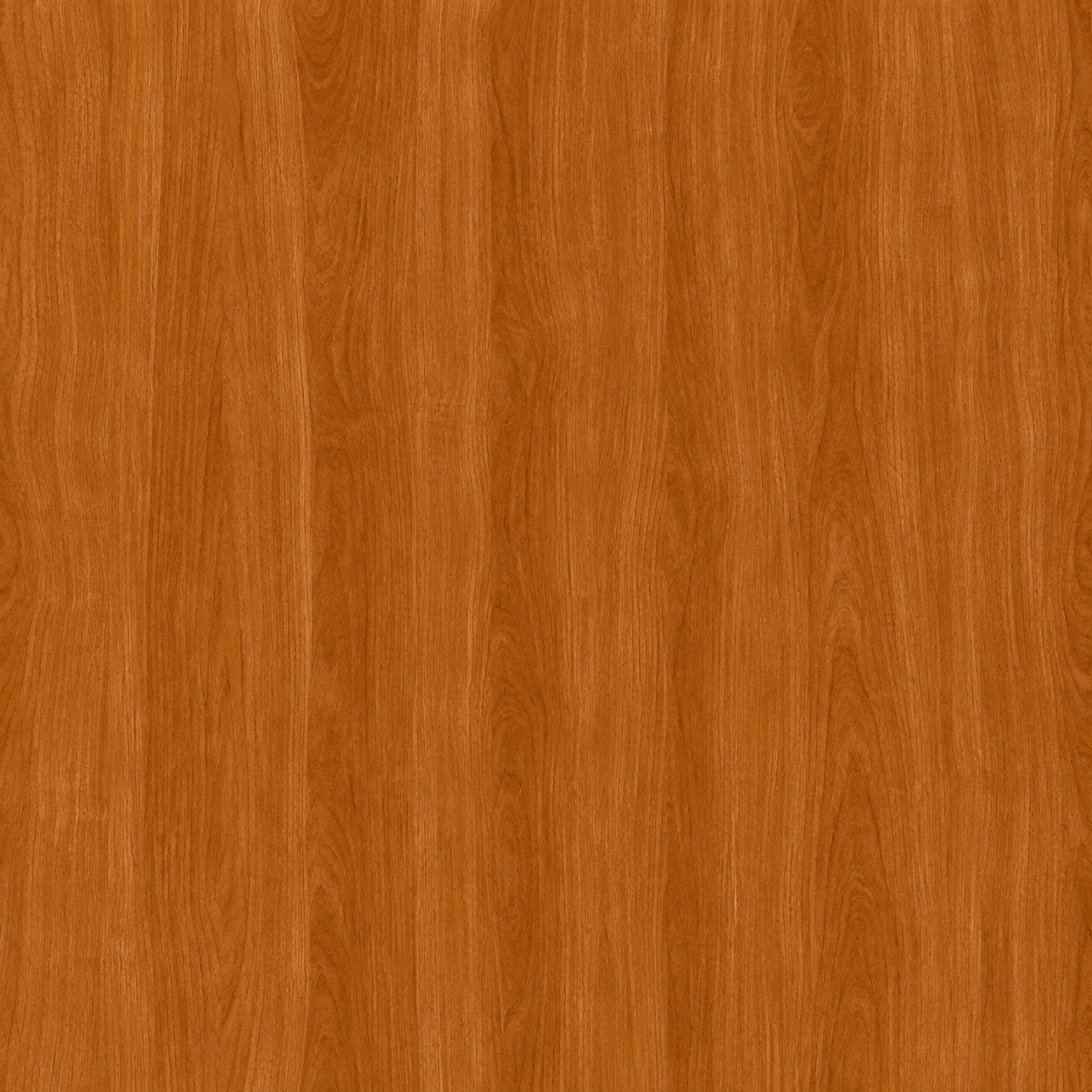
Warm Brown Vertical-Grain Wood Board Texture
The square preview is warm brown with fine vertical wood grain and a faint darker board boundary. It can dress furniture, flooring, or trim; check the grain direction and board scale before mapping it across a larger surface.
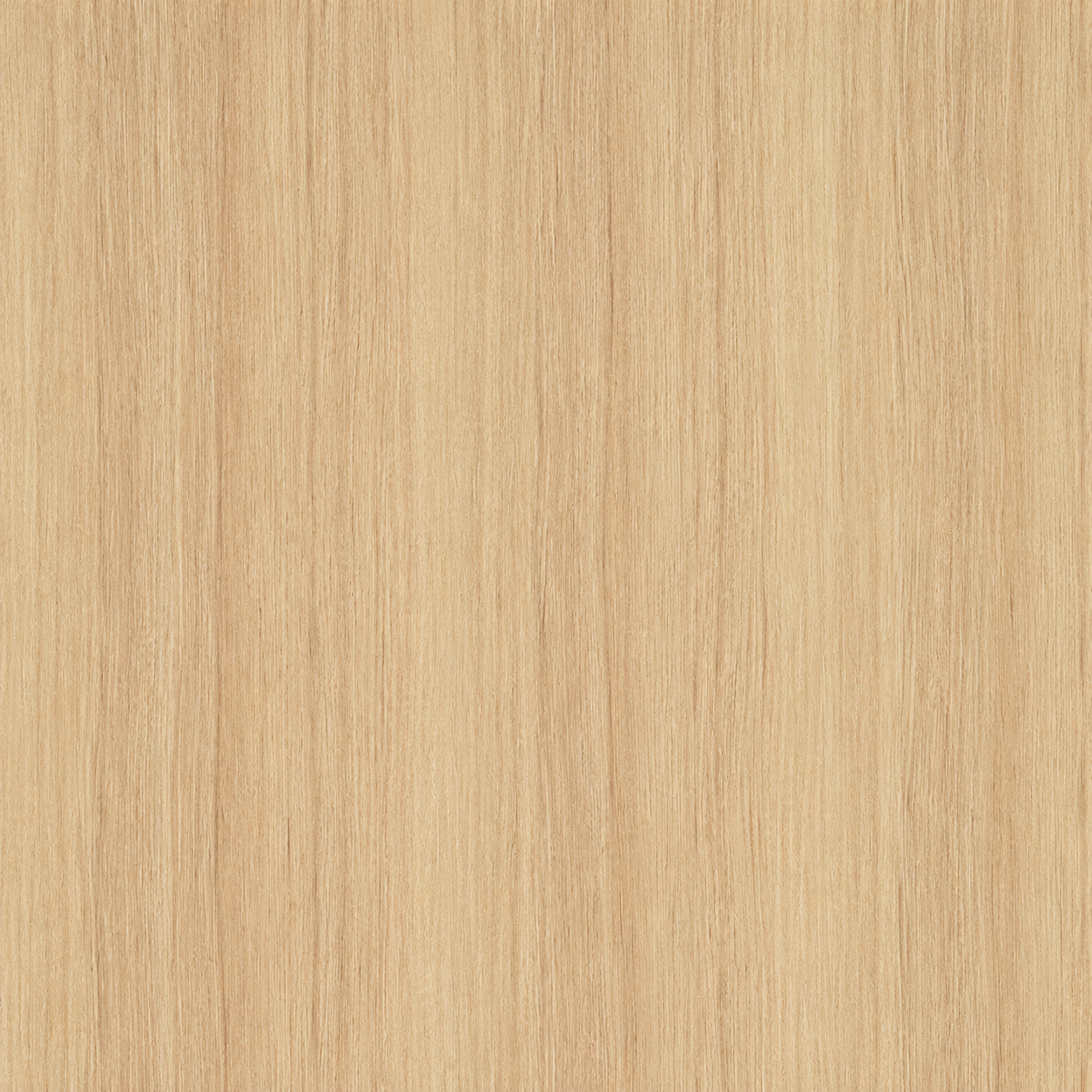
Pale Golden-Brown Fine-Grain Wood Board Texture
A pale golden-brown wood surface shows tight vertical grain streaks and a faint darker board boundary. Use it on wood furniture or trim; the pixels do not confirm an oak species or the intended board scale.
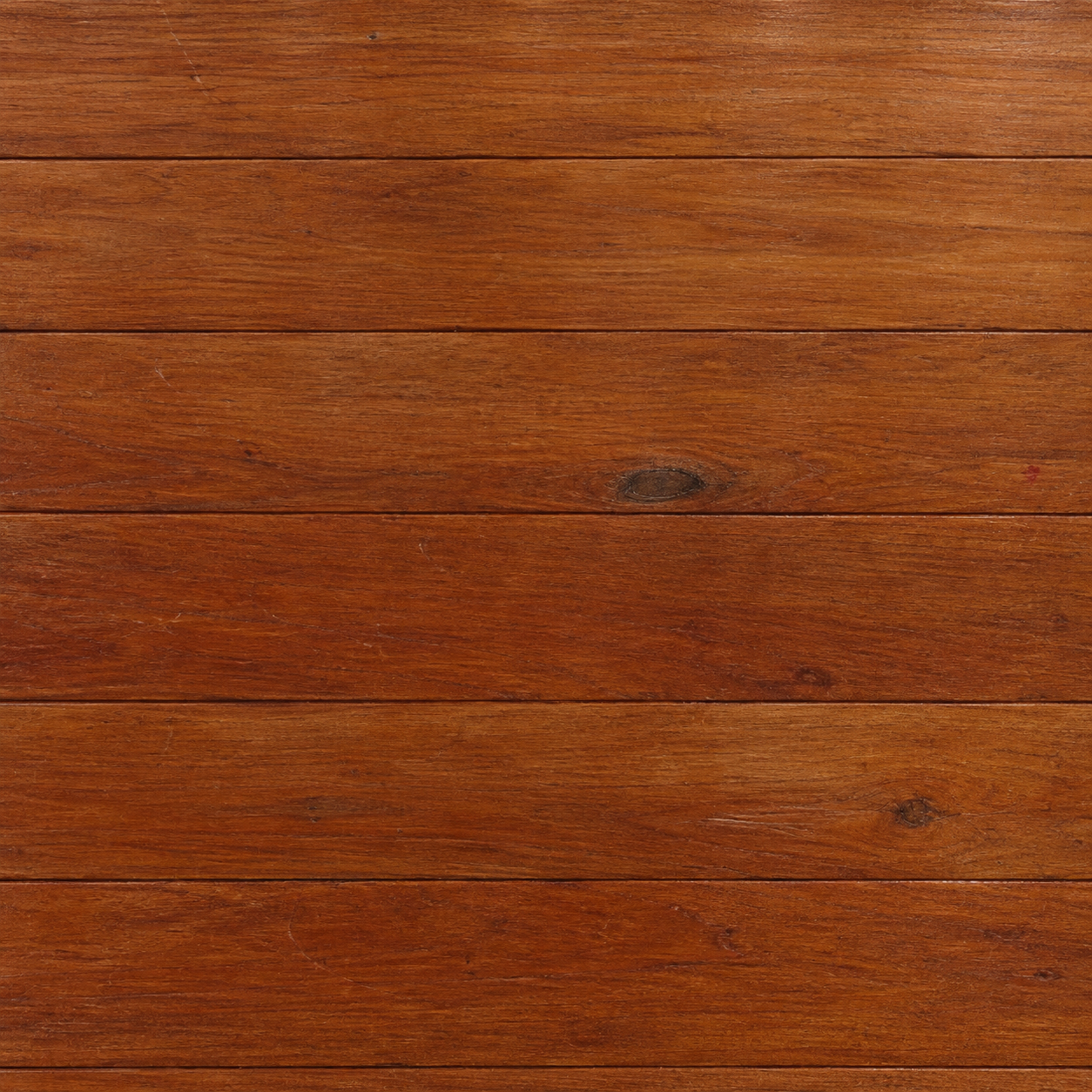
Reddish Brown Aged Wood Plank Texture
Reddish-brown boards run horizontally with narrow seams, visible grain, knots, and scattered fine scratches. Use it for aged timber floors or wall panels; inspect plank widths and repeating edges before applying it at larger scale.
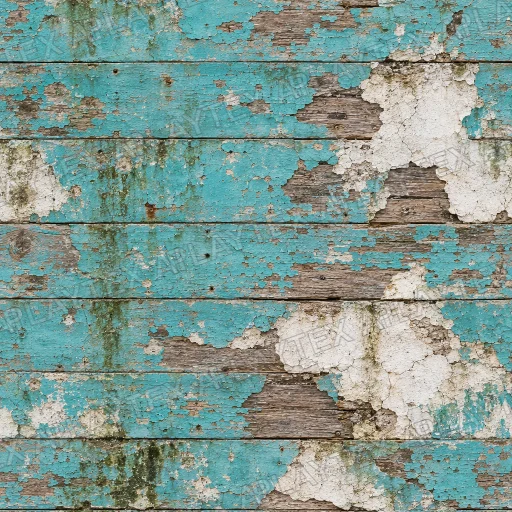
Weathered Turquoise Painted Wood Plank Texture
Weathered turquoise-painted boards run horizontally with exposed brown grain, peeling white paint, cracks, and small nail marks. Use it for aged timber props or wall panels; the preview watermark and worn areas limit inspection of fine grain and edge repetition.
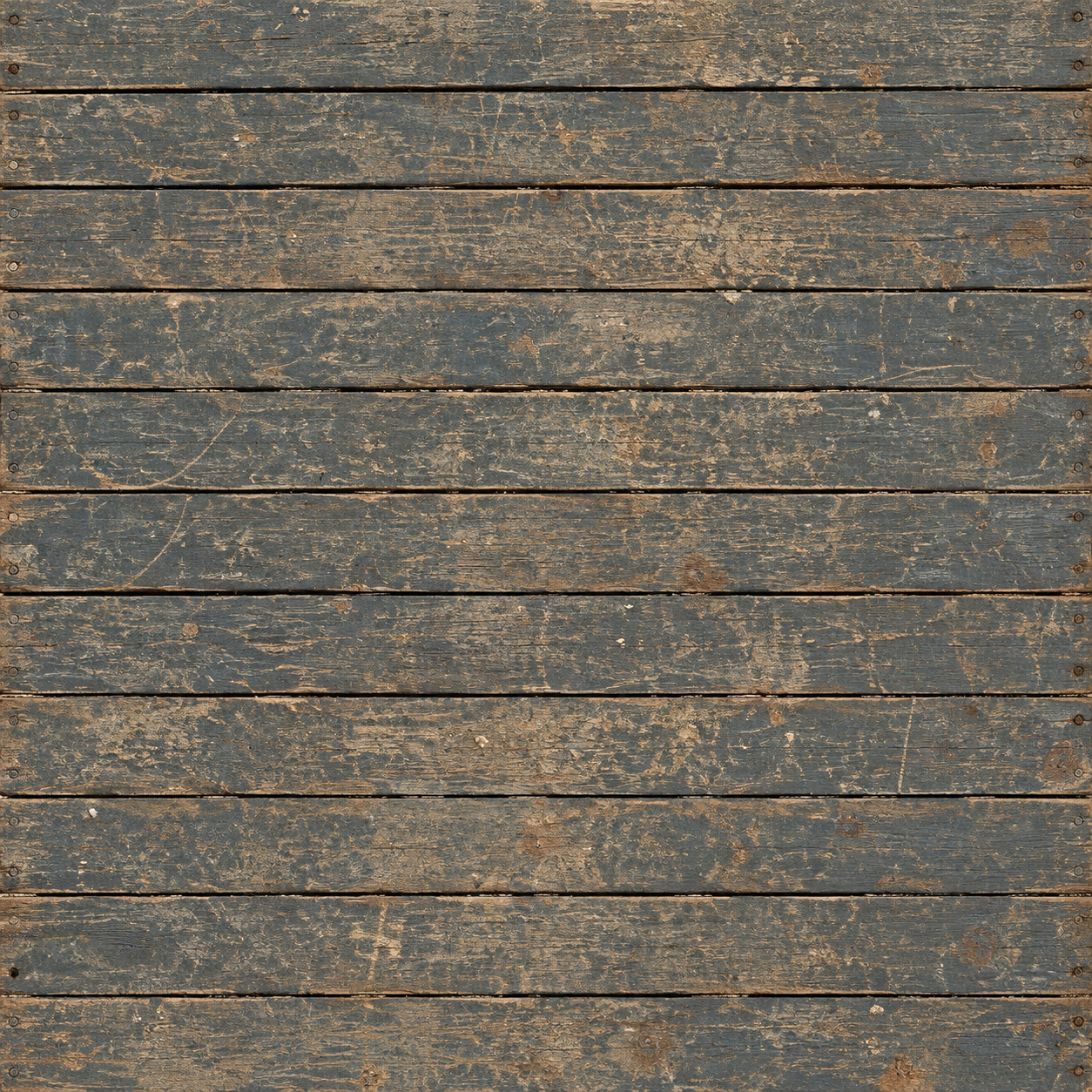
Weathered Gray-Brown Horizontal Wood Plank Texture
Horizontal dark gray-brown planks show worn tan grain, scratches, small knots, and narrow dark seams between boards. Use it as a weathered timber floor or wall reference; check scale and edge alignment in the full-resolution image before repeating.
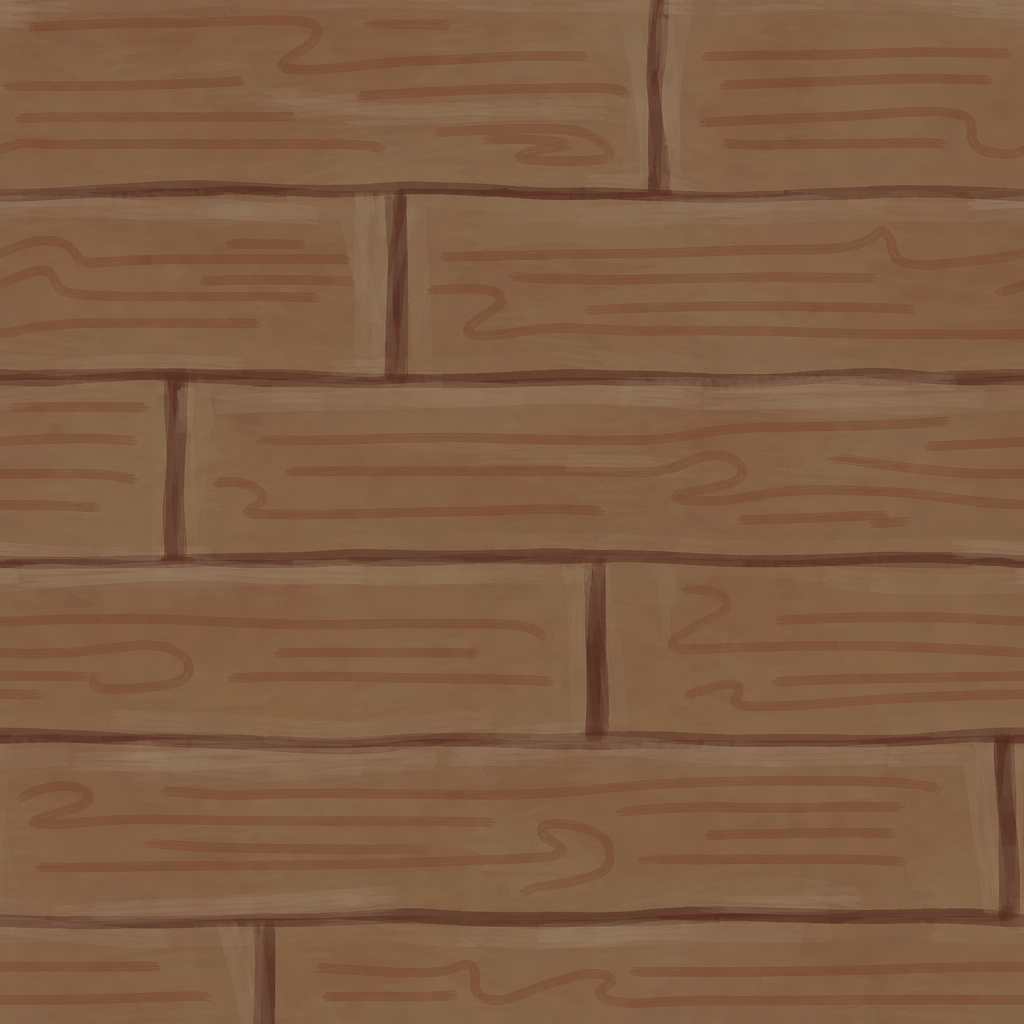
Warm Tan Staggered Wood-Grain Plank Texture
Warm tan-brown boards sit in staggered horizontal courses with simplified darker grain strokes and visible seams. Use it as a stylized wood floor or wall reference; inspect full-resolution edges before tiling, since the preview does not establish a seamless repeat.
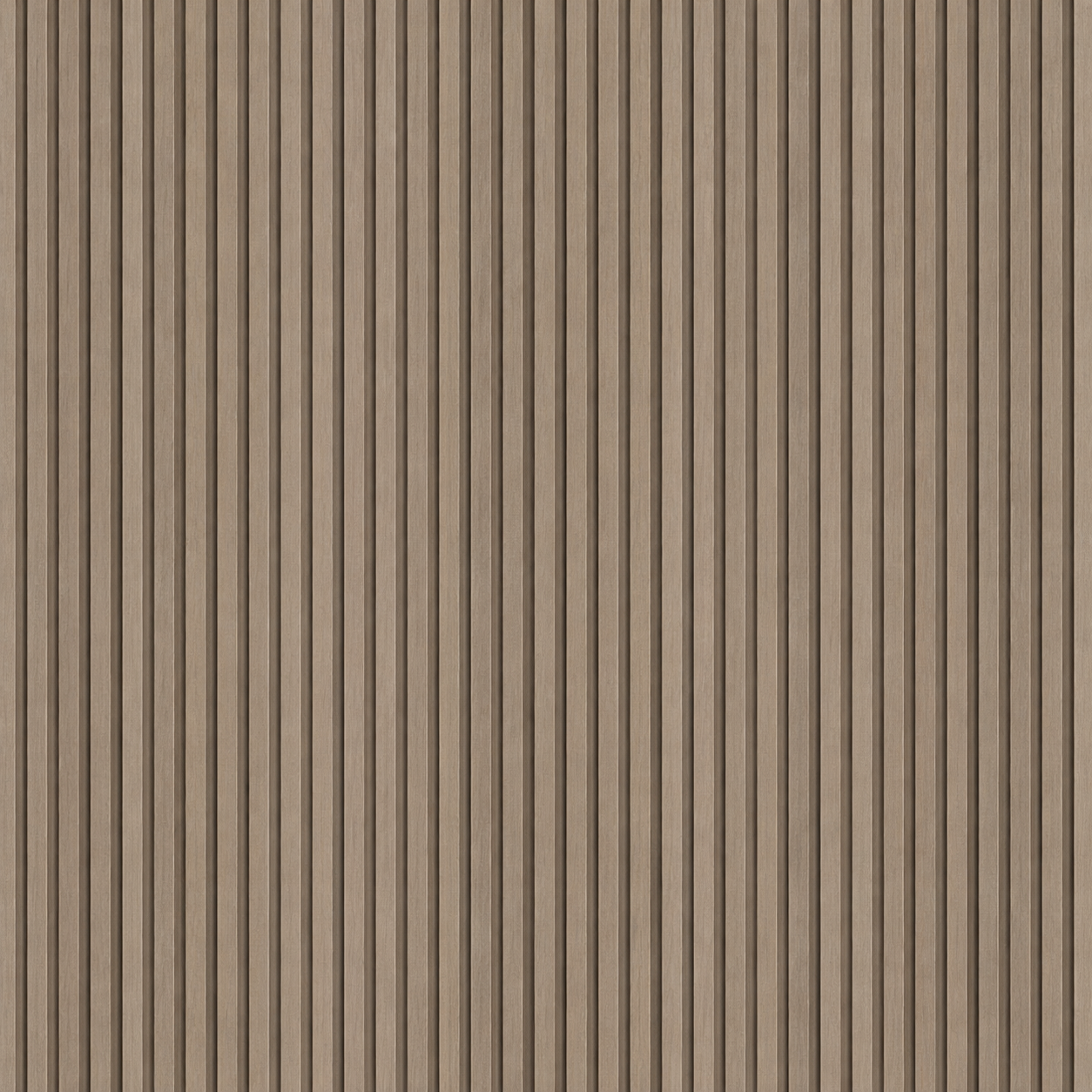
Taupe Vertical Wood-Look Slat Panel Texture
Warm taupe-brown narrow slats run vertically with dark recessed seams and faint linear wood-like grain. Use it for interior panels, walls, or furniture; inspect the strong vertical direction and seam spacing before repeating it.
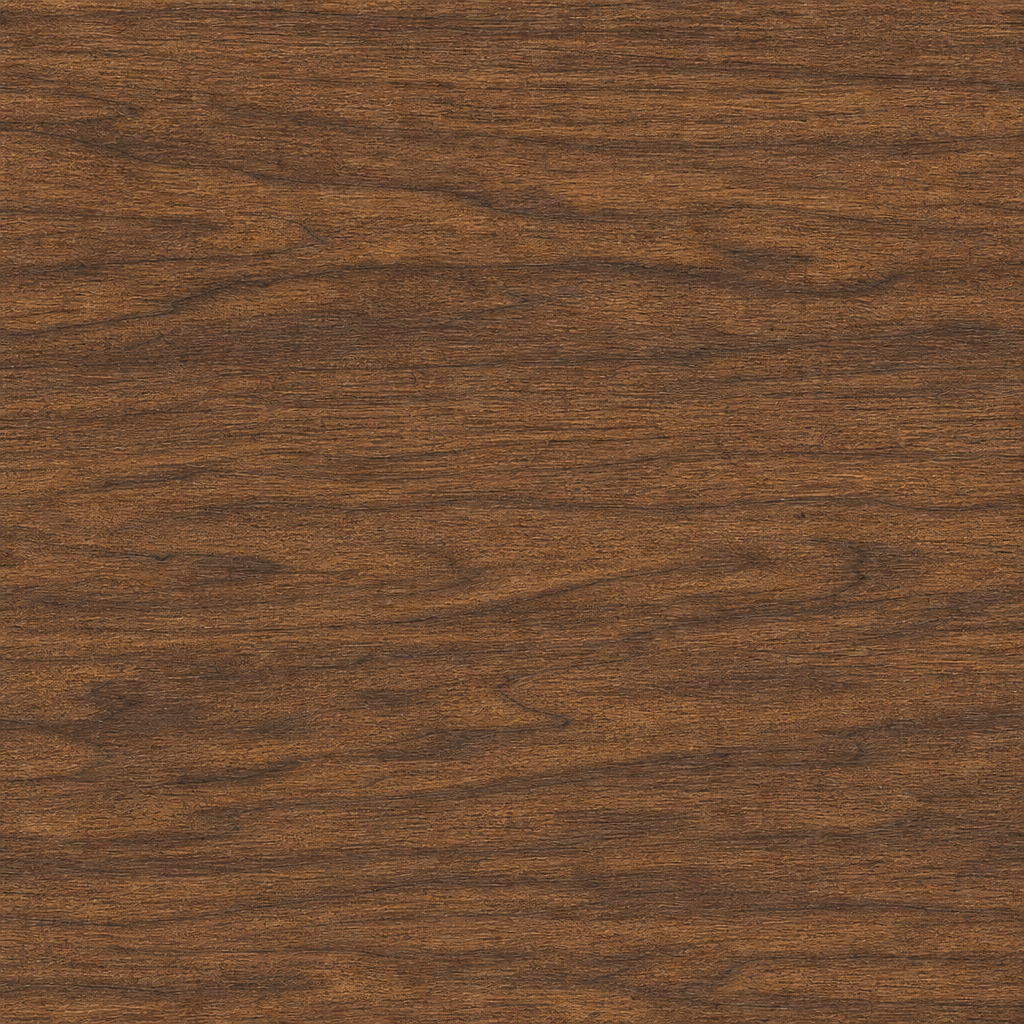
Warm Brown Horizontal-Grain Wood Texture
The square image shows warm brown wood with mostly horizontal grain streaks and a few darker knots, in a subdued matte-looking finish. Use it for plank faces, furniture, or warm interior props; inspect the knot spacing and grain direction before placing seams across an edge.
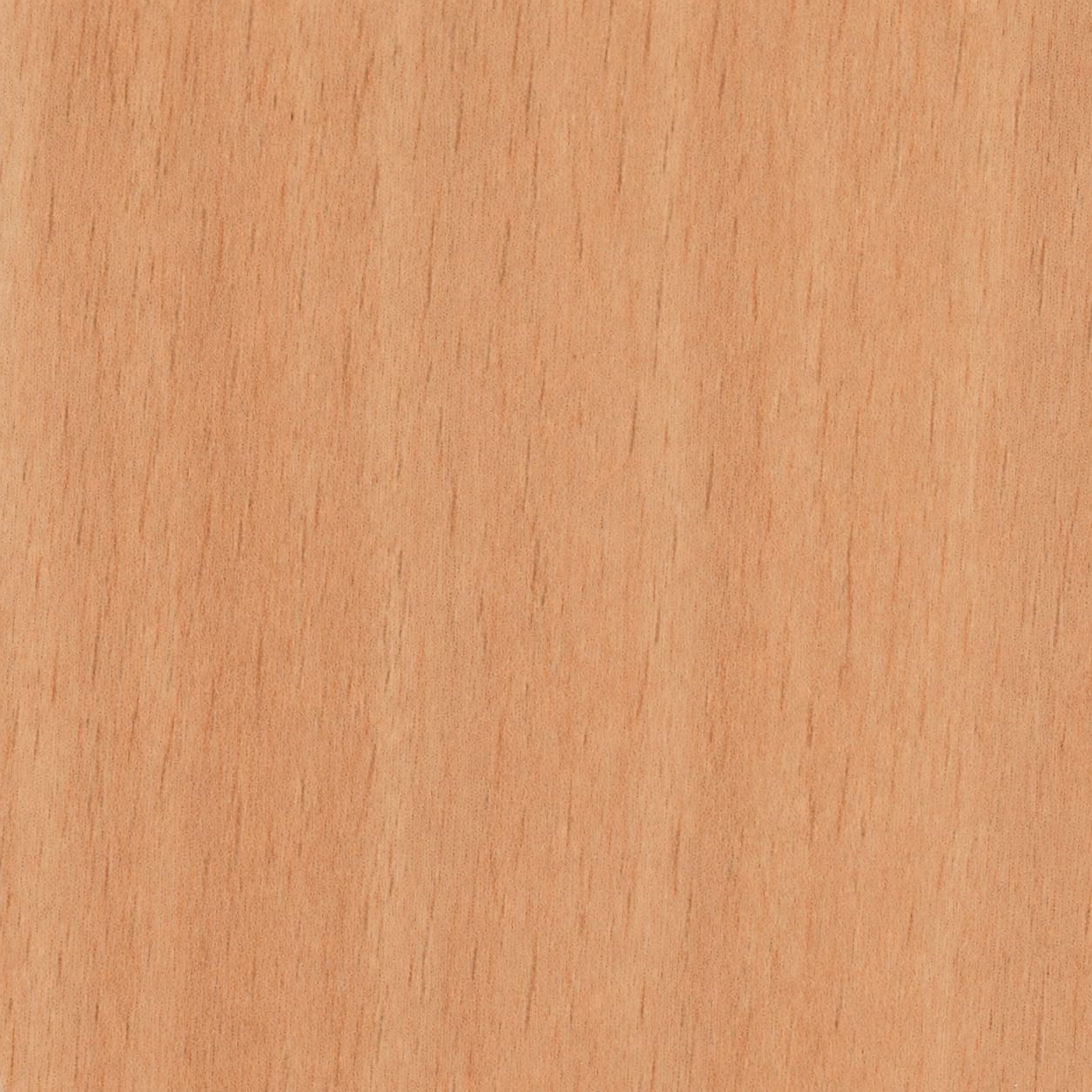
Peach Tan Straight-Grain Wood Surface Texture
The surface appears peach-tan with delicate, mostly vertical wood grain and mild natural color variation. Use it for light timber panels, furniture, or trim; confirm the grain direction and scale against the model before mapping because the image does not establish seamless edge joins.
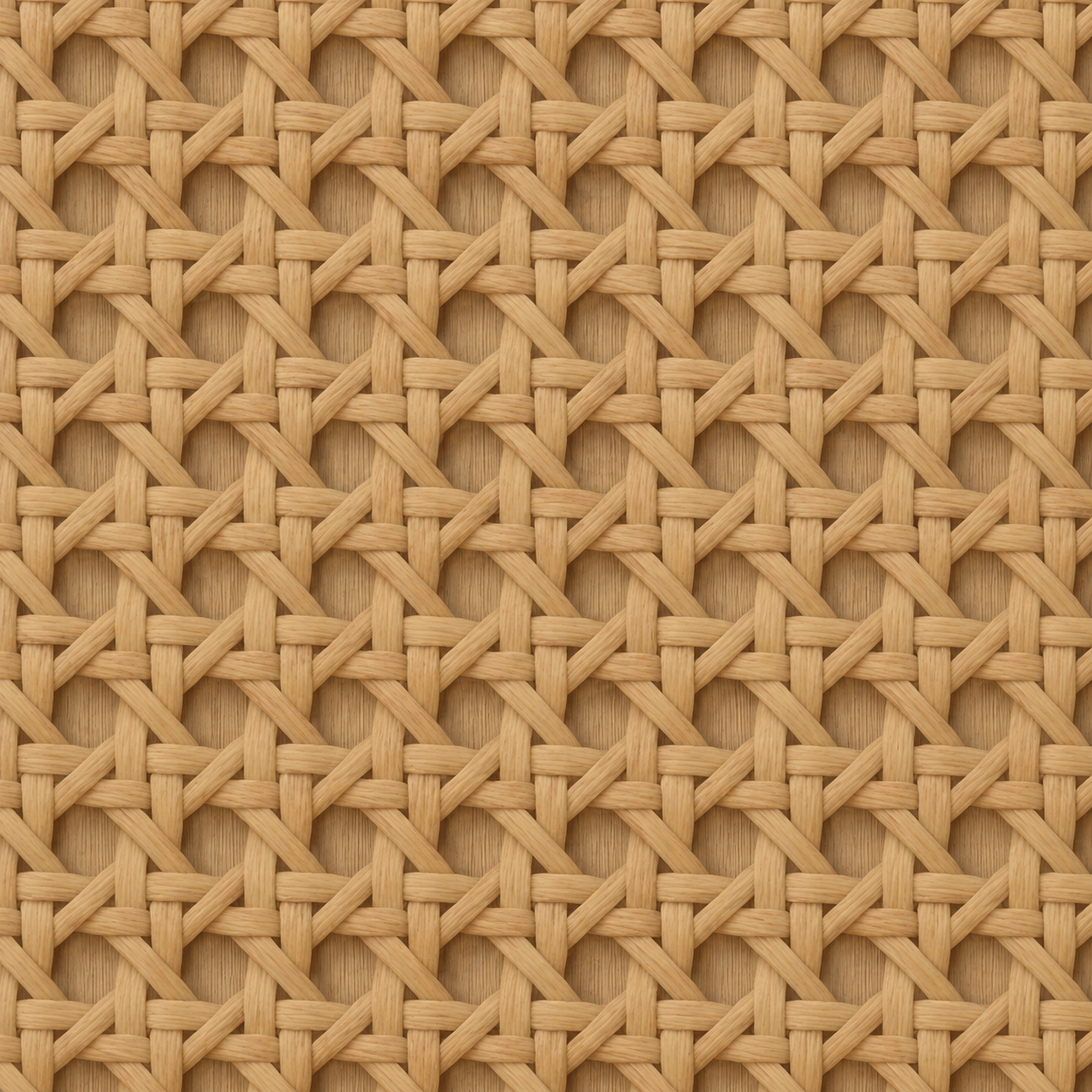
Honey-Tan Woven Wood Basket-Weave Texture
Honey-tan wood strips cross diagonally in a regular basket-weave pattern, with visible grain, narrow gaps, and a soft matte finish. Use it for woven furniture, panels, or craft props; check the repeat boundaries and strap scale before wrapping it around curved geometry.
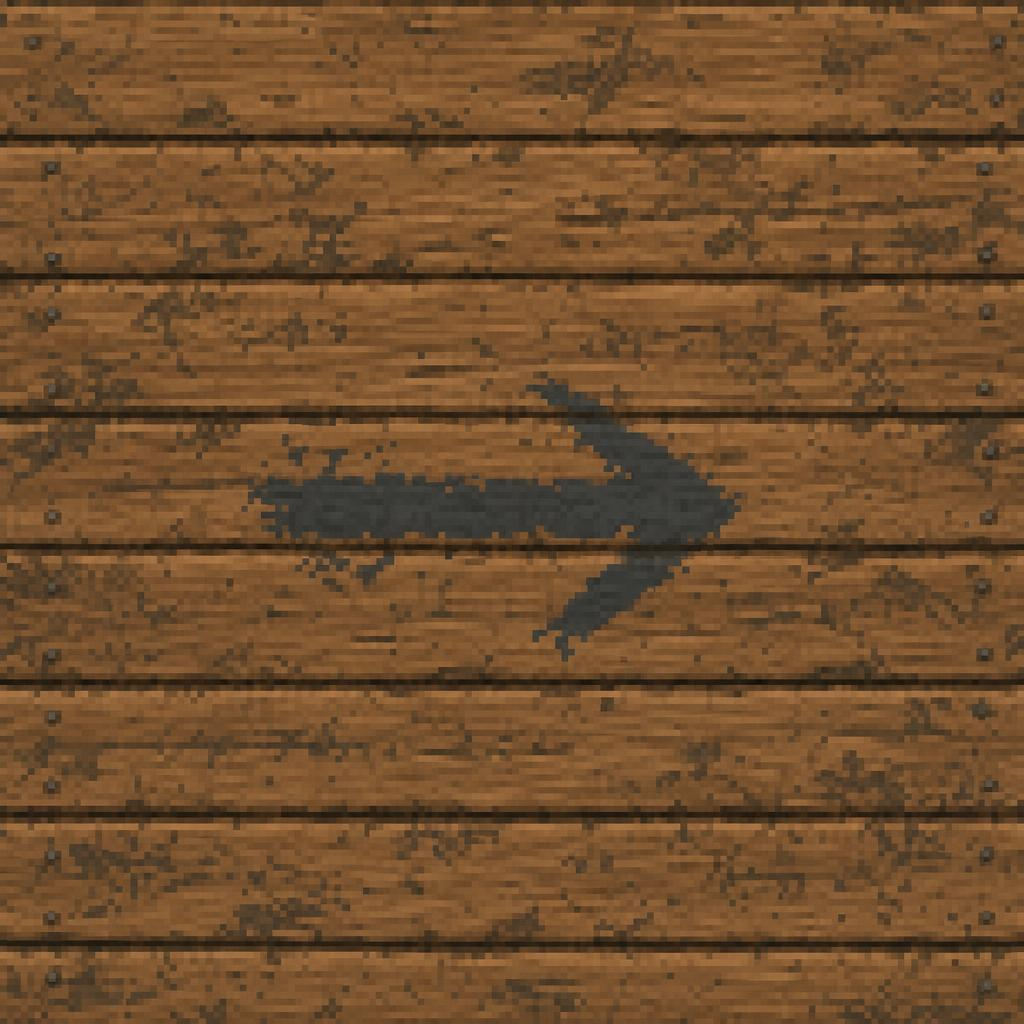
Weathered Brown Timber Planks with a Dark Bird-Shaped Mark Texture
This PLAYTEX AI texture shows warm-brown horizontal planks with visible grain, dark seams, small fastener marks, and a central charcoal bird-like silhouette. Use it on aged wood panels, crates, or stylized set dressing; the dark central mark will repeat with the plank pattern, so check its placement and edge wrap before covering a large surface.
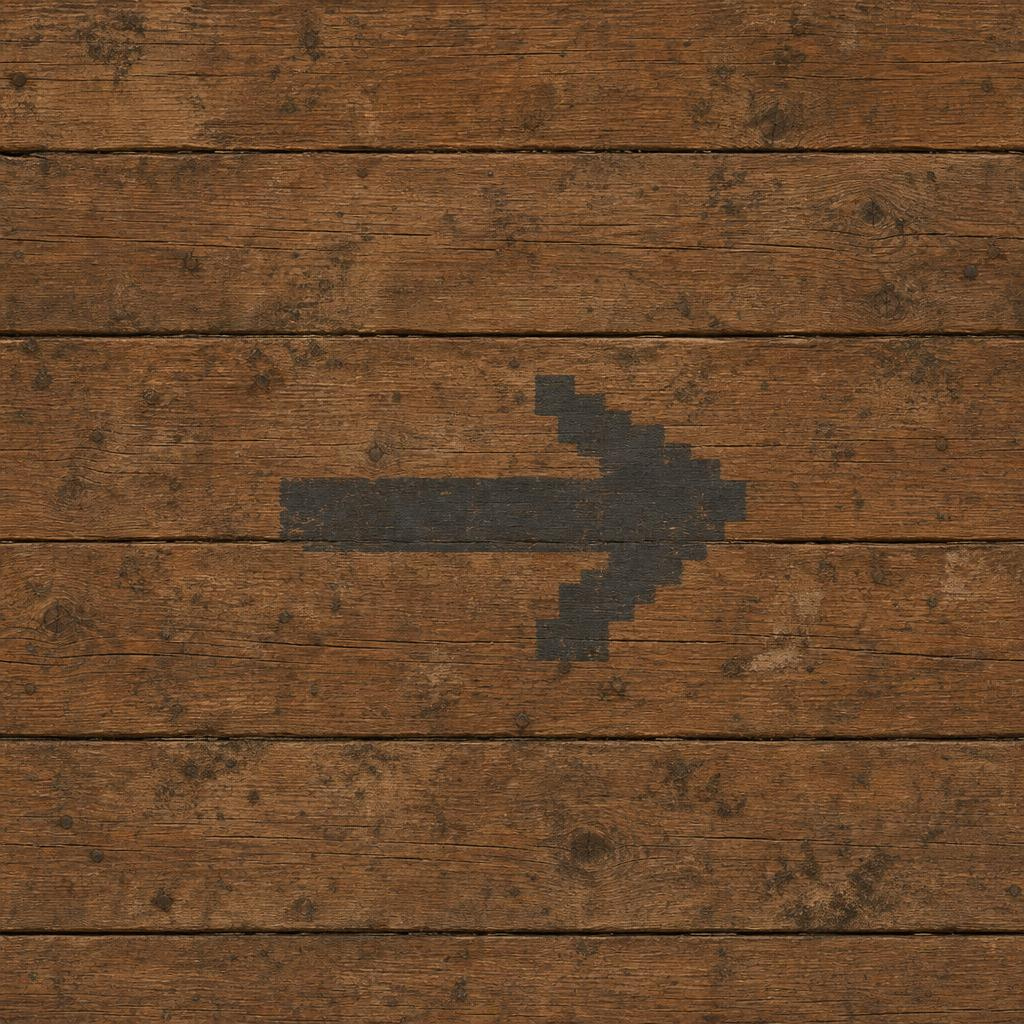
Warm Brown Weathered Planks with a Stepped Charcoal Motif Texture
This PLAYTEX AI texture shows warm-brown horizontal boards with rough grain, dark joints, scattered fastener marks, and a centered stepped charcoal arrow-like motif. Use it for worn timber panels or graphic environmental props; inspect how the centered mark repeats across UV tiles before applying it over a broad area.
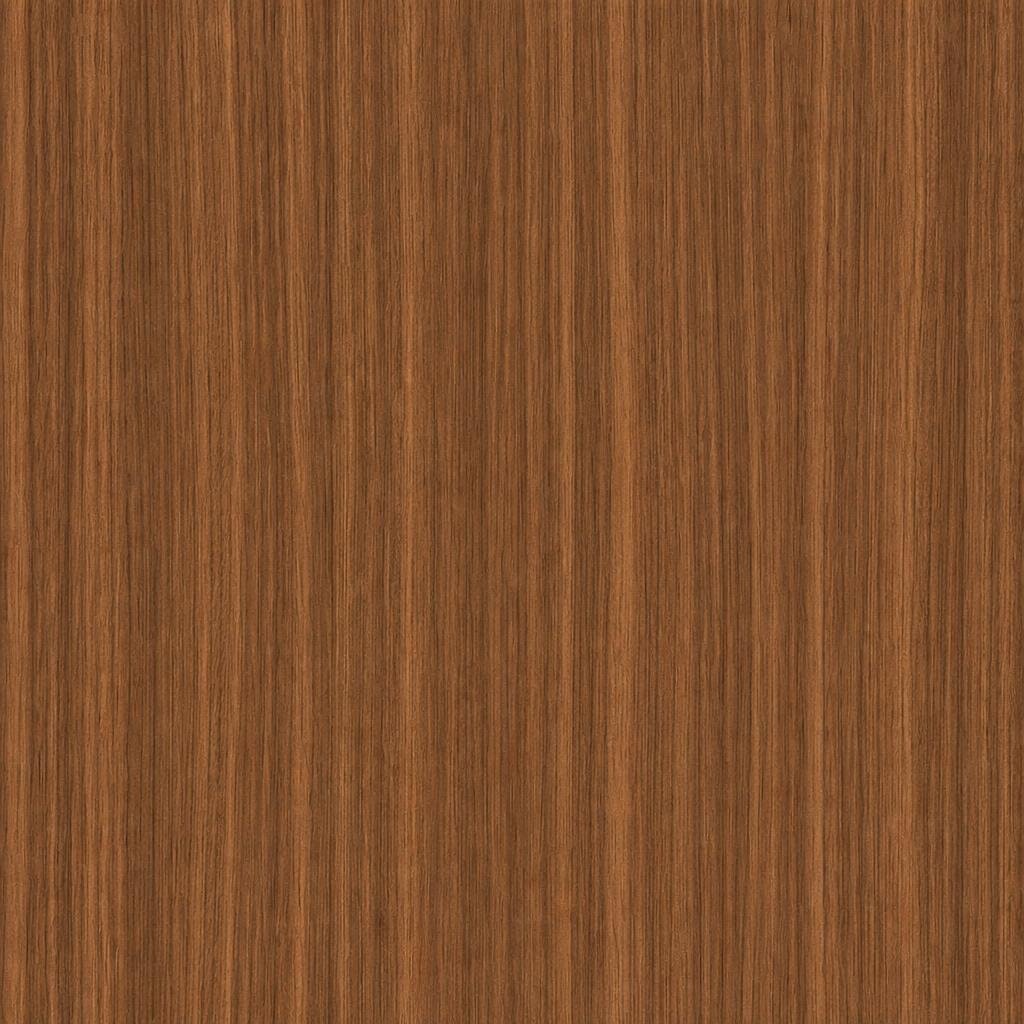
Warm Brown Straight-Grain Wood Texture
The PLAYTEX AI square texture shows a warm brown wood-like surface with dense straight vertical grain, narrow dark streaks, and no obvious large knots or heavy wear. Use it on furniture, panels, or props in a 3D scene; inspect the grain scale and edge continuity before repeating it or deriving PBR maps.
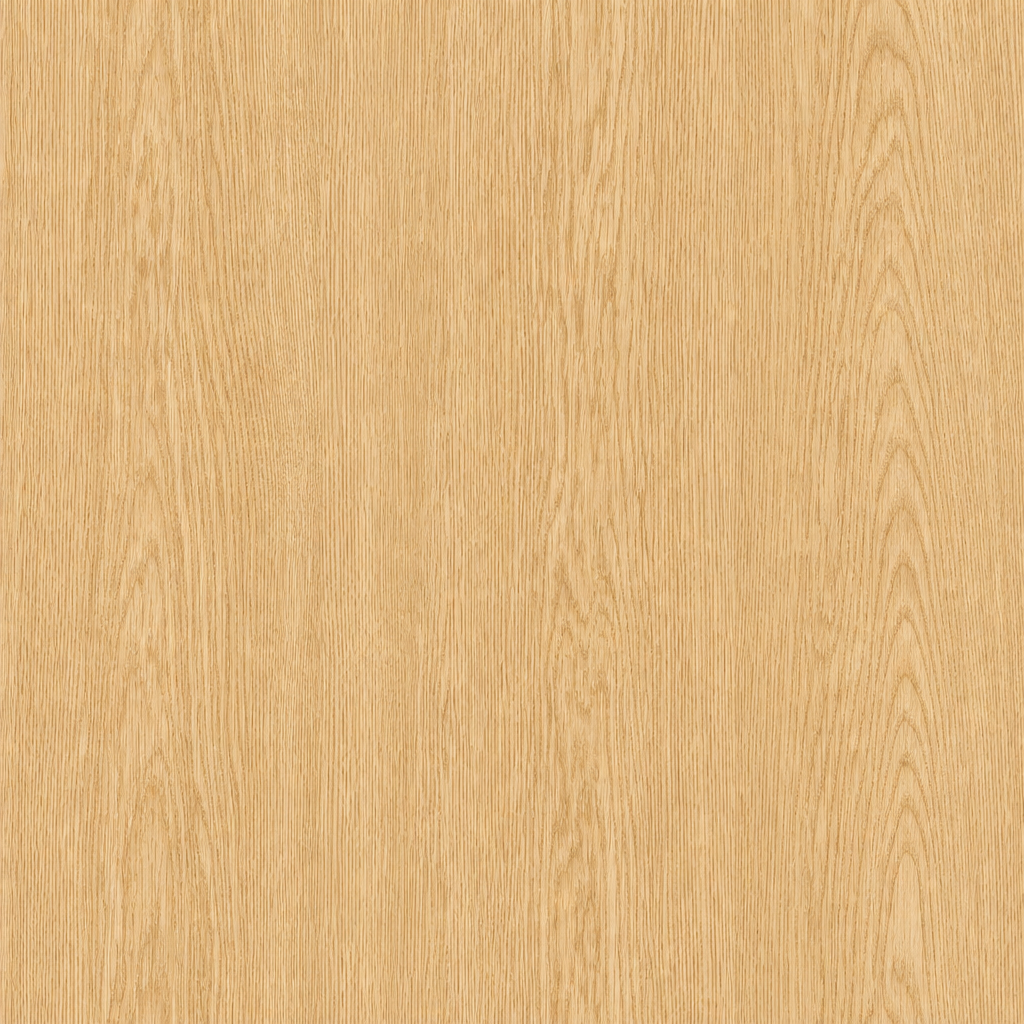
Pale Honey Fine-Grain Wood Texture
Pale honey wood grain runs in fine mostly vertical lines across a light cream surface, with one subtle knot and little contrast. Use it for light timber props, cabinetry or floors; check the grain direction, knot repetition and apparent board scale against the model.
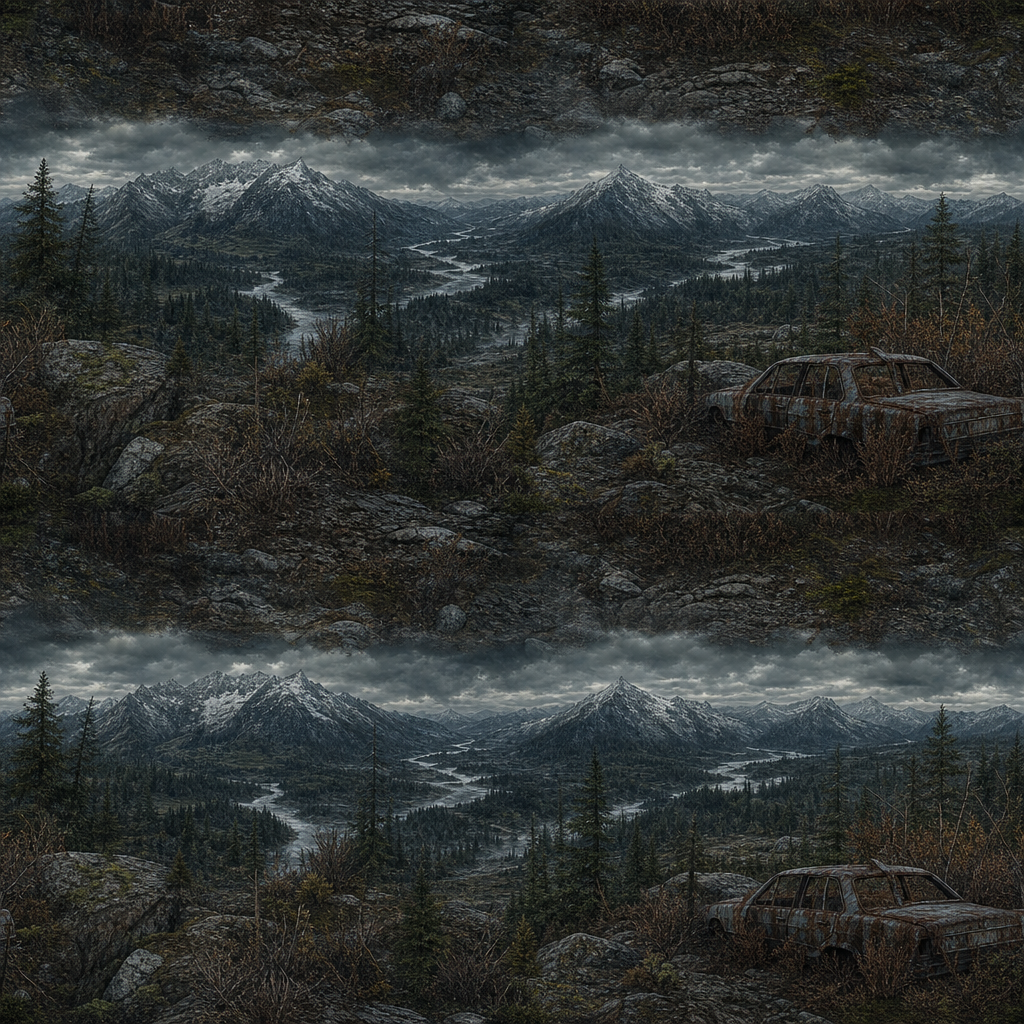
Stormy Coastal Forest and Rusted Car Scenic Texture
Stormy Coastal Forest and Rusted Car Scenic Texture shows a repeating stormy coastal scene with dark pine trees, foaming water, rocky ground, and a rusted abandoned car. Use this visually inspected surface for printed backdrops, wallpaper, narrative surfaces, and environment concept planes; confirm physical scale, edge repetition, seam continuity, and material response in the target 3D workflow before final use.
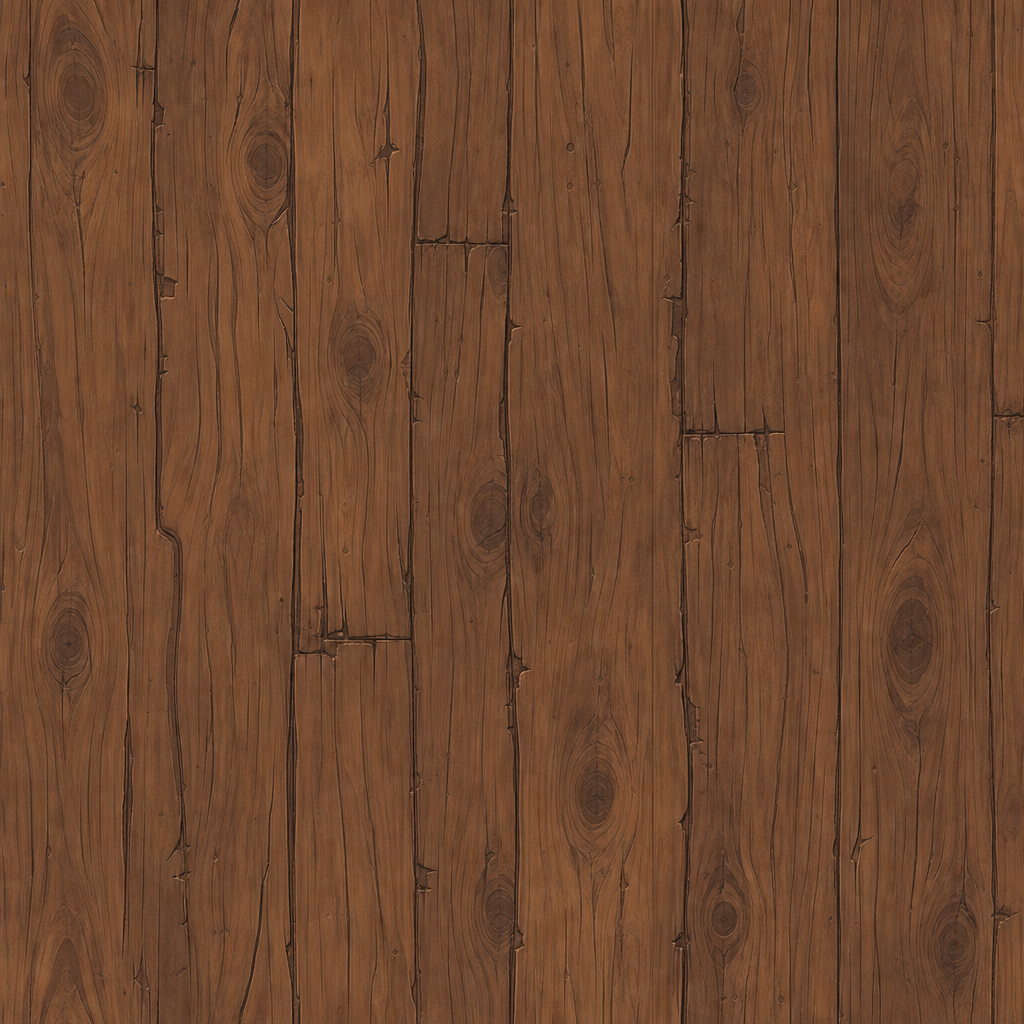
Medium Brown Weathered Narrow Wood Plank Texture
Medium Brown Weathered Narrow Wood Plank Texture shows medium brown narrow wood planks with knots, end joints, dark cracks, and uneven weathering. Use this visually inspected surface for old floors, sheds, walls, furniture, and environment props; confirm physical scale, edge repetition, seam continuity, and material response in the target 3D workflow before final use.
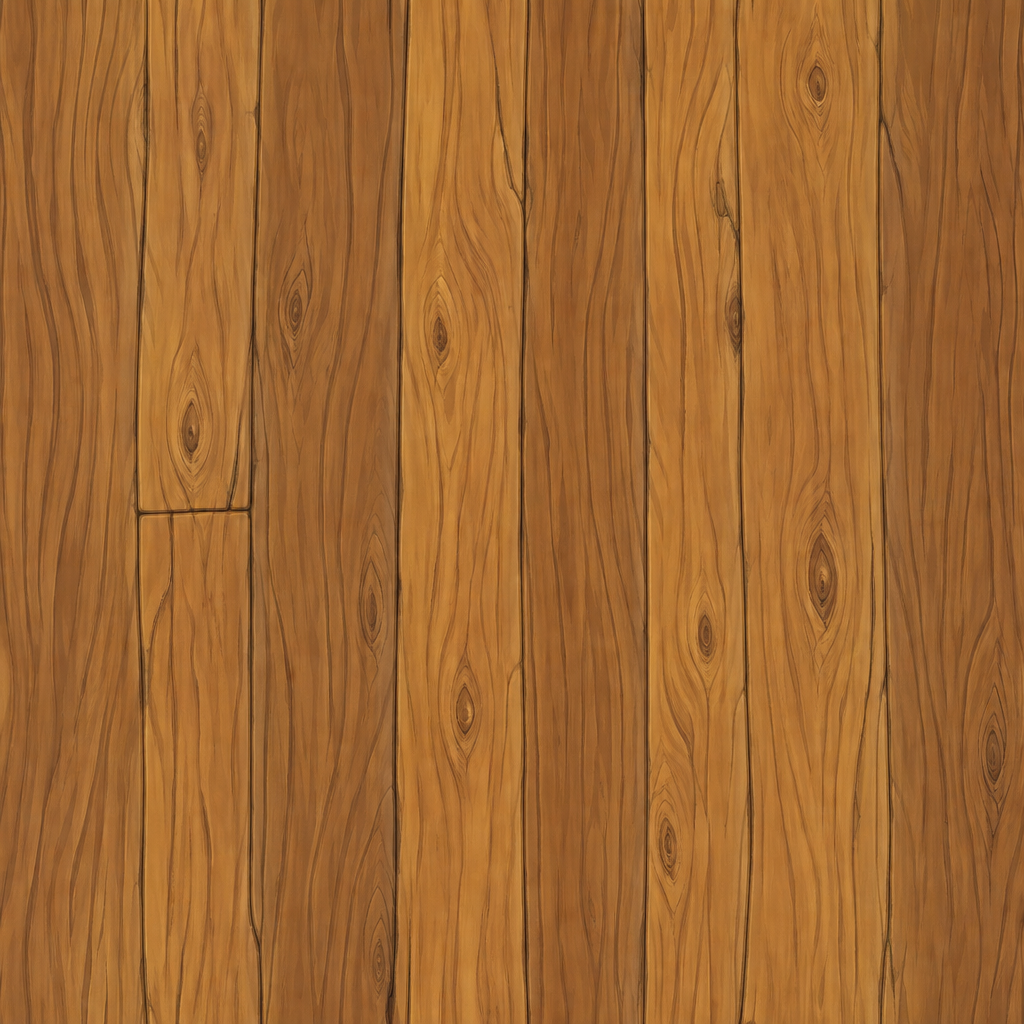
Honey Golden Knotted Wood Plank Texture
Honey Golden Knotted Wood Plank Texture shows honey-golden vertical wood planks with dark knots, flowing grain, and slim black seams. Use this visually inspected surface for floors, walls, furniture, cabins, and timber props; confirm physical scale, edge repetition, seam continuity, and material response in the target 3D workflow before final use.
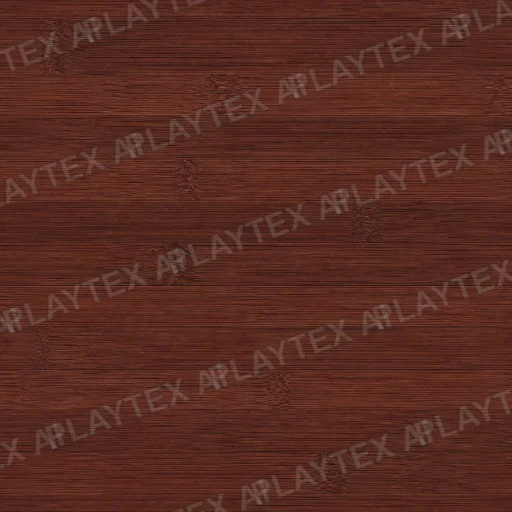
Deep Red Bamboo Wood Grain Texture
Deep Red Bamboo Wood Grain Texture shows deep red and mahogany bamboo-like grain running horizontally with fine dark streaks. Use this visually inspected surface for cabinetry, flooring, wall panels, furniture, and decorative trim; confirm physical scale, edge repetition, seam continuity, and material response in the target 3D workflow before final use.
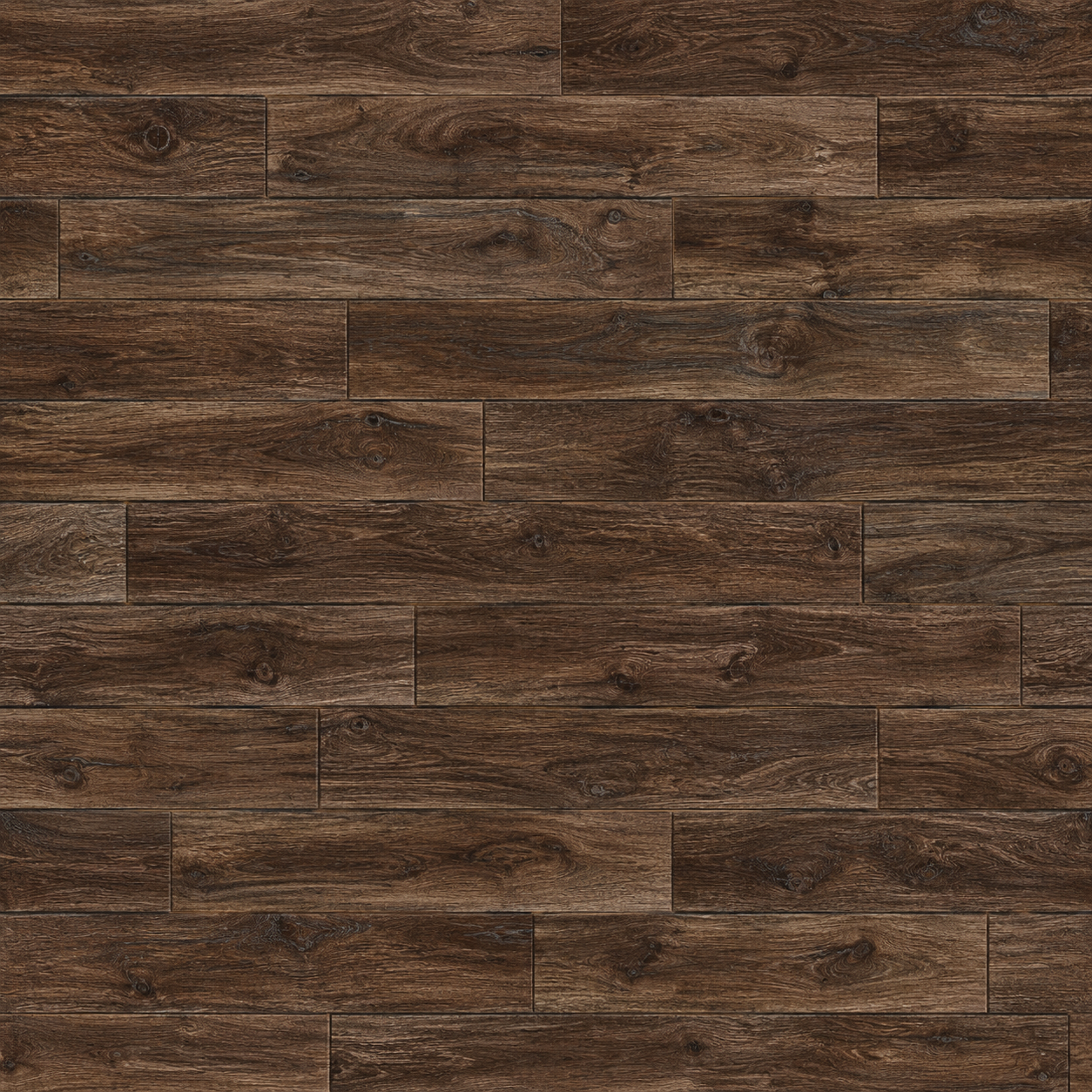
Dark Brown Rustic Wood Plank Texture
Dark Brown Rustic Wood Plank Texture shows dark brown staggered wood planks with knots, saw marks, uneven color, and narrow seams. Use this visually inspected surface for floors, cabins, furniture, walls, and environment props; confirm physical scale, edge repetition, seam continuity, and material response in the target 3D workflow before final use.
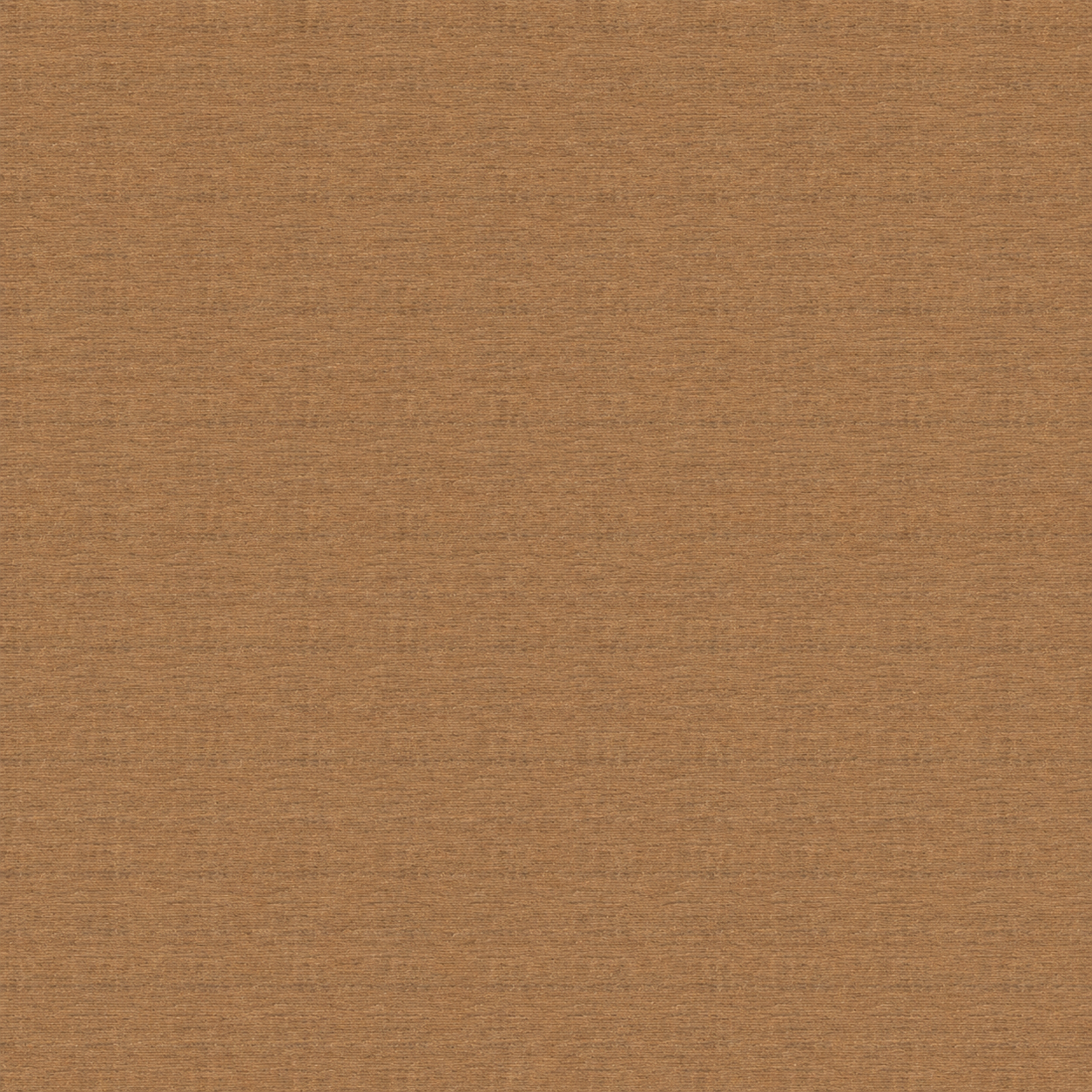
Warm Tan Fine-Grain Wood Texture
Warm Tan Fine-Grain Wood Texture shows a warm tan-brown surface with very fine linear wood grain and quiet tonal variation. Use this visually inspected surface for cabinetry, furniture, panels, trim, and simple wood props; confirm physical scale, edge repetition, seam continuity, and material response in the target 3D workflow before final use.

Dark Reddish Brown Pixel Wood Plank Texture
Dark Reddish Brown Pixel Wood Plank Texture shows dark reddish-brown horizontal pixel planks with broad banding and faint board seams. Use this visually inspected surface for voxel floors, stylized walls, furniture, and timber props; confirm physical scale, edge repetition, seam continuity, and material response in the target 3D workflow before final use.
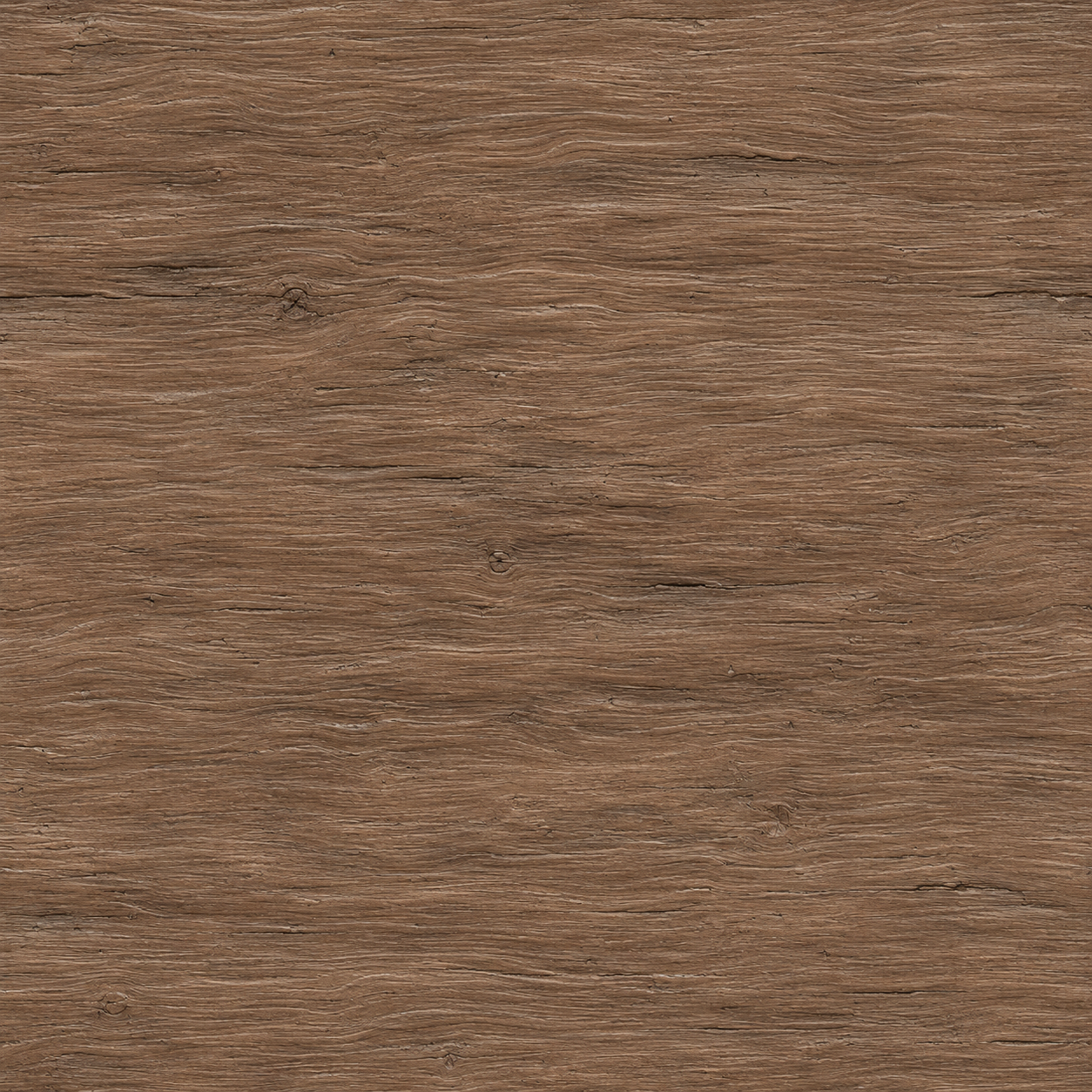
Warm Brown Rustic Wood Grain Texture
Warm Brown Rustic Wood Grain Texture shows horizontal medium-brown timber grain with shallow grooves, small knots, and a dry matte finish. Use it on furniture, beams, floors, or wood props, then check the long grain bands and knot spacing across repeated tiles at the intended scale.
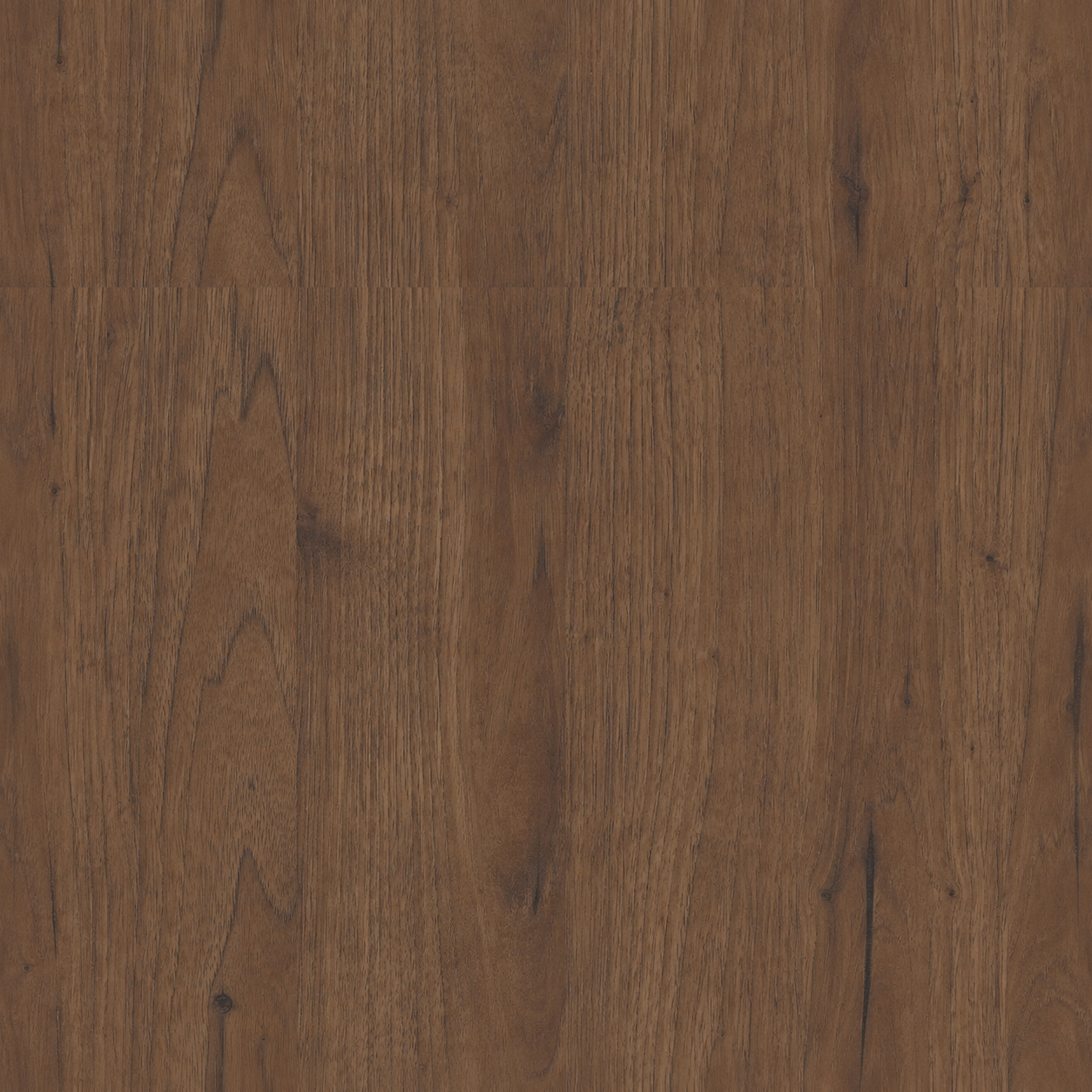
Warm Brown Natural Wood Plank Texture
Warm Brown Natural Wood Plank Texture shows broad boards with vertical grain, subtle horizontal joints, small knots, and restrained dark streaks in a matte finish. Use it for wall cladding, flooring, furniture, or cabinetry, and verify plank dimensions, joint depth, grain direction, and repeated knots before production use.
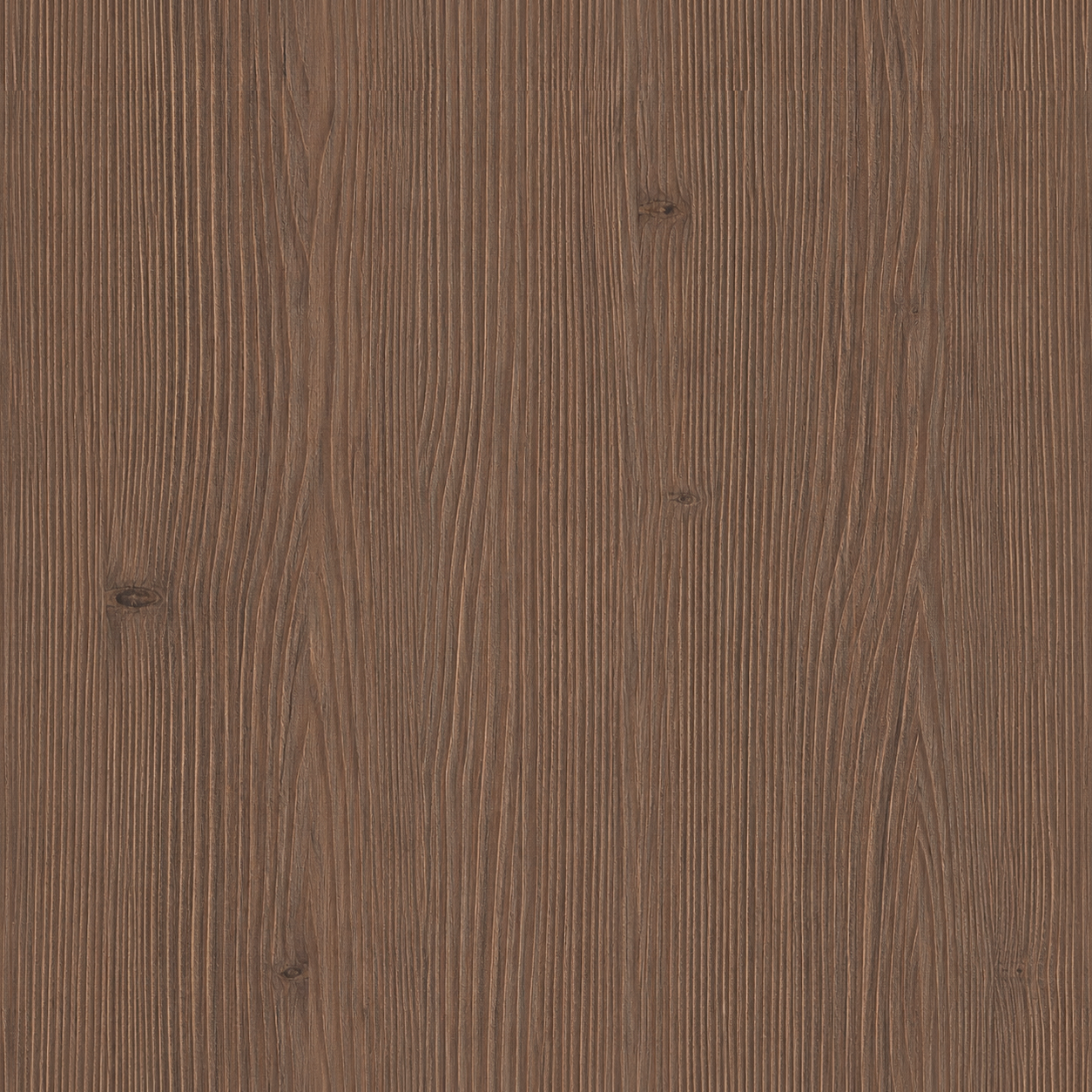
Medium Brown Grooved Wood Plank Texture
Medium Brown Grooved Wood Plank Texture shows narrow vertical boards with pronounced straight grain, routed grooves, sparse knots, and a dry matte finish. Use it for wall cladding, furniture, doors, or trim, and verify board width, groove depth, grain direction, and repeated knots at scene scale.
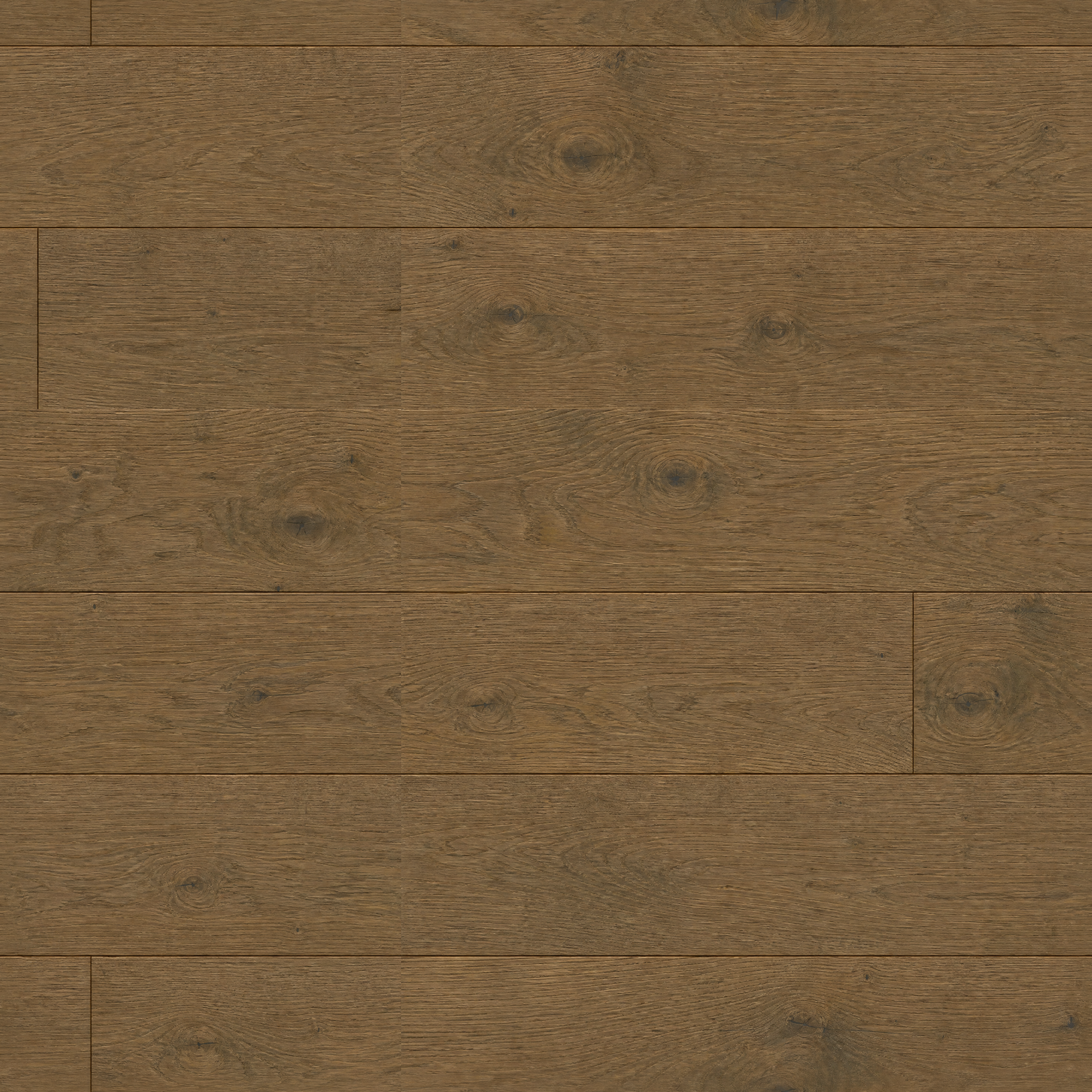
Warm Brown Wide Wood Plank Floor Texture
Warm Brown Wide Wood Plank Floor Texture uses broad staggered floorboards with visible knots, flowing grain, narrow dark joints, and a muted matte finish. Use it for residential floors, cabins, furniture panels, or interior walls, then inspect the full asset for board scale, joint continuity, distinctive knot repetition, and roughness.
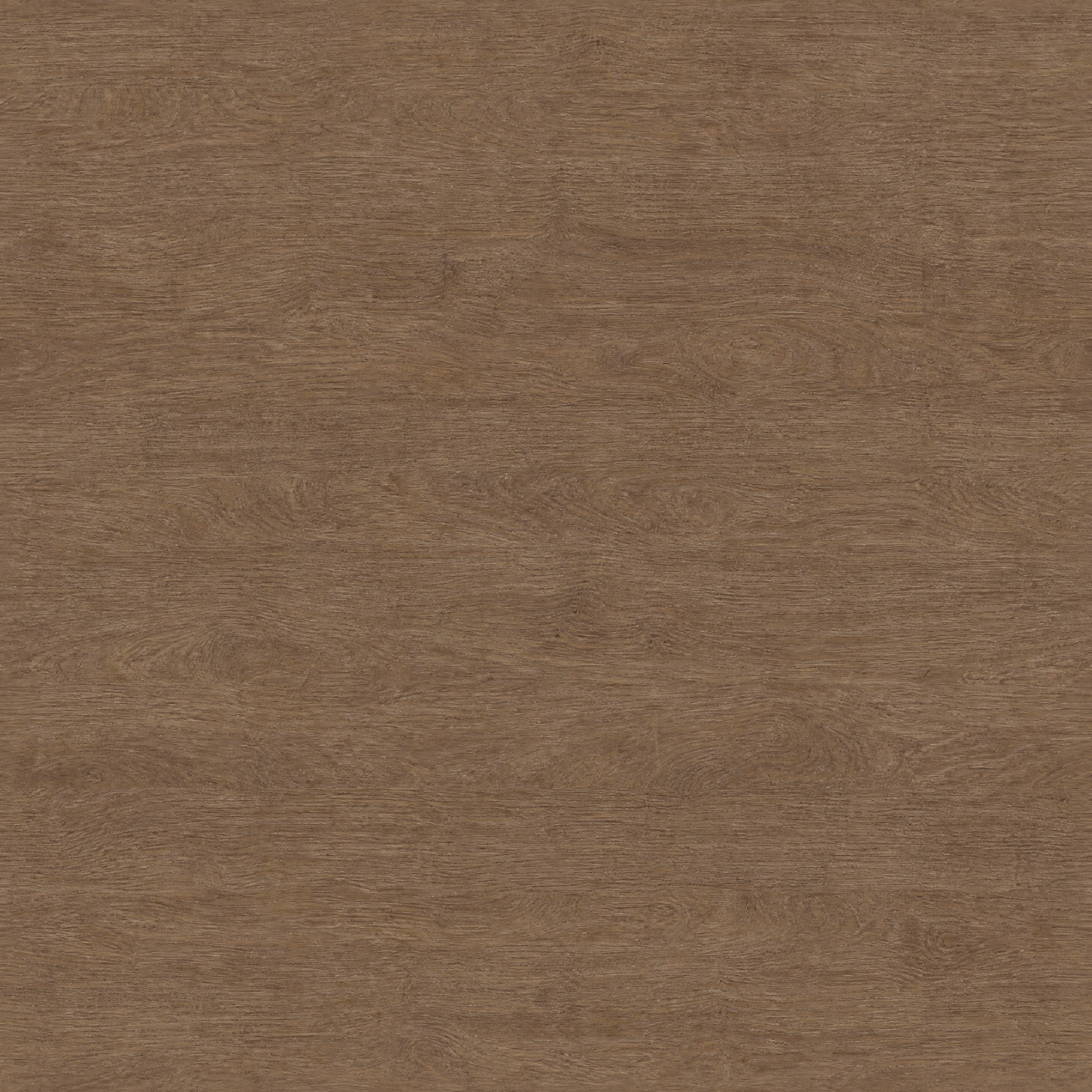
Medium Brown Patchwork Wood Grain Texture
Medium Brown Patchwork Wood Grain Texture shows flowing horizontal brown grain broken into subtly varied rectangular veneer sections. Use it for flooring, cabinetry, furniture, or wall panels, then inspect the full asset for section boundaries, grain direction, repeat landmarks, physical scale, and finish.
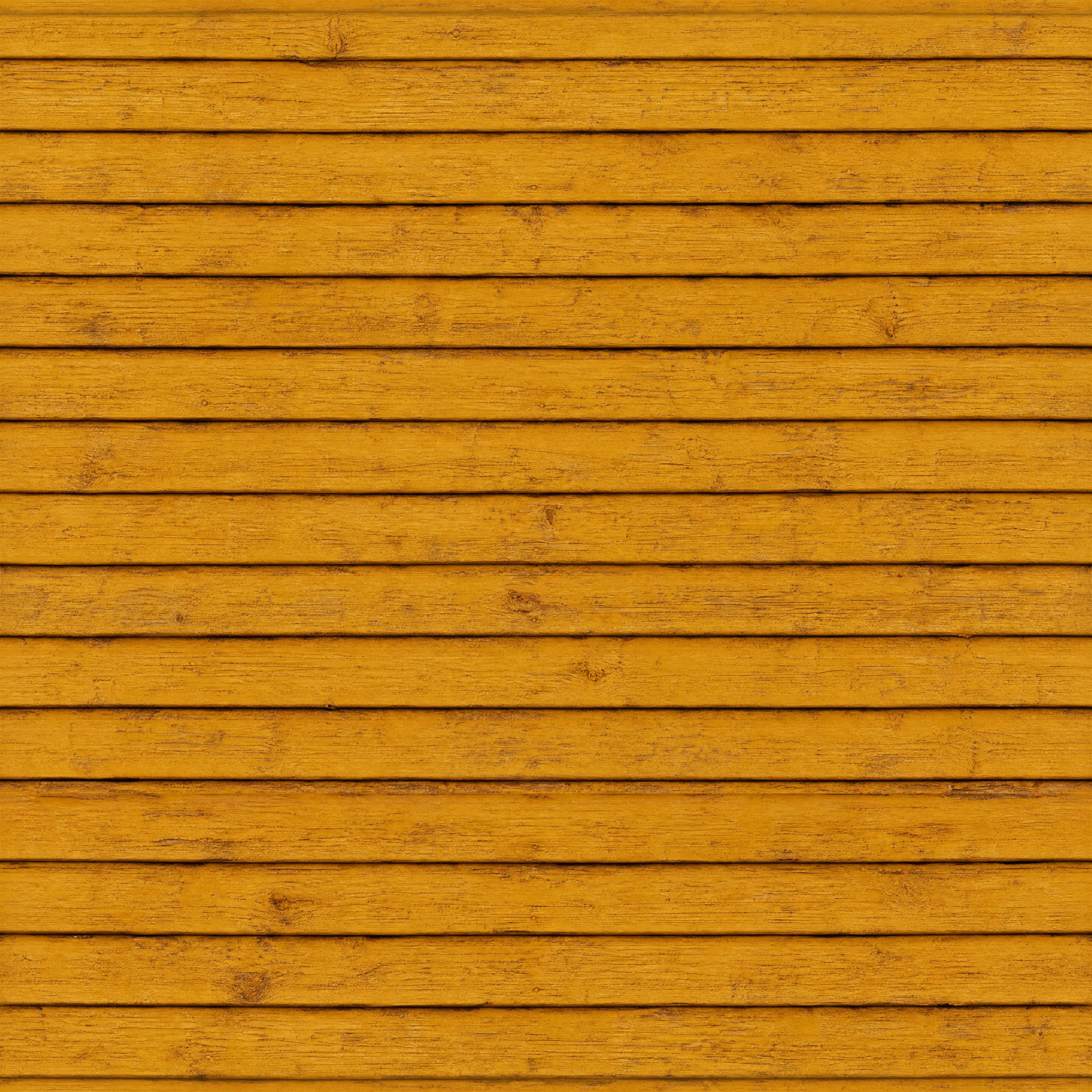
Ochre Painted Horizontal Wood Siding Texture
Ochre Painted Horizontal Wood Siding Texture shows warm yellow-orange clapboards with dark gaps, visible grain, knots, scratches, and uneven paint wear. Use it for facades, sheds, fences, or rustic paneling, then verify plank scale, horizontal alignment, repeat seams, paint roughness, and wood-grain direction.
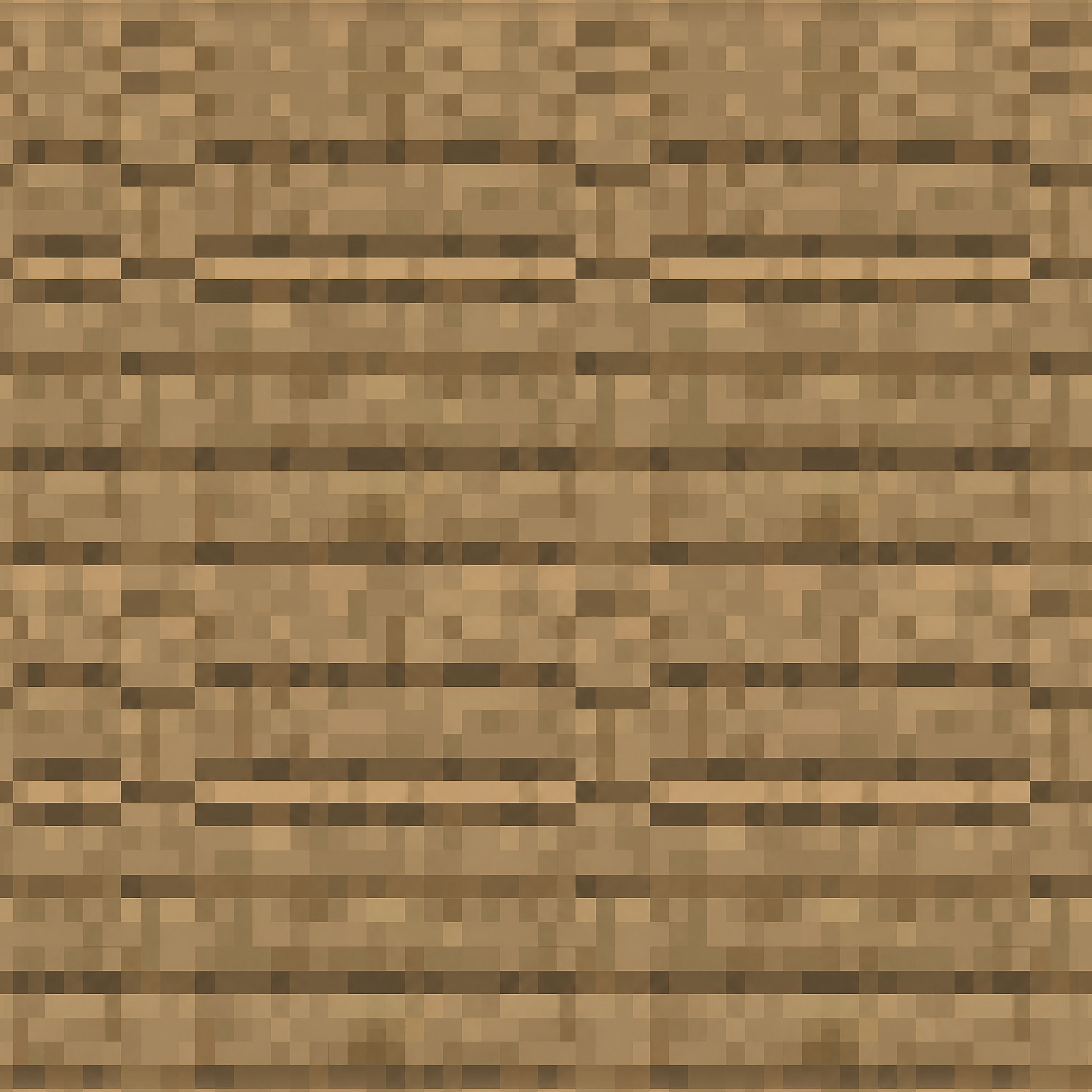
Tan Pixel-Art Horizontal Oak Fence Texture
Tan Pixel-Art Horizontal Oak Fence Texture shows layered horizontal wooden rails and plank bands separated by darker seams. Use it for stylized fences, voxel scenery, trim, or sprite-map panels, then inspect UV direction, repeat joins, pixel scale, and transparency requirements on the target asset.
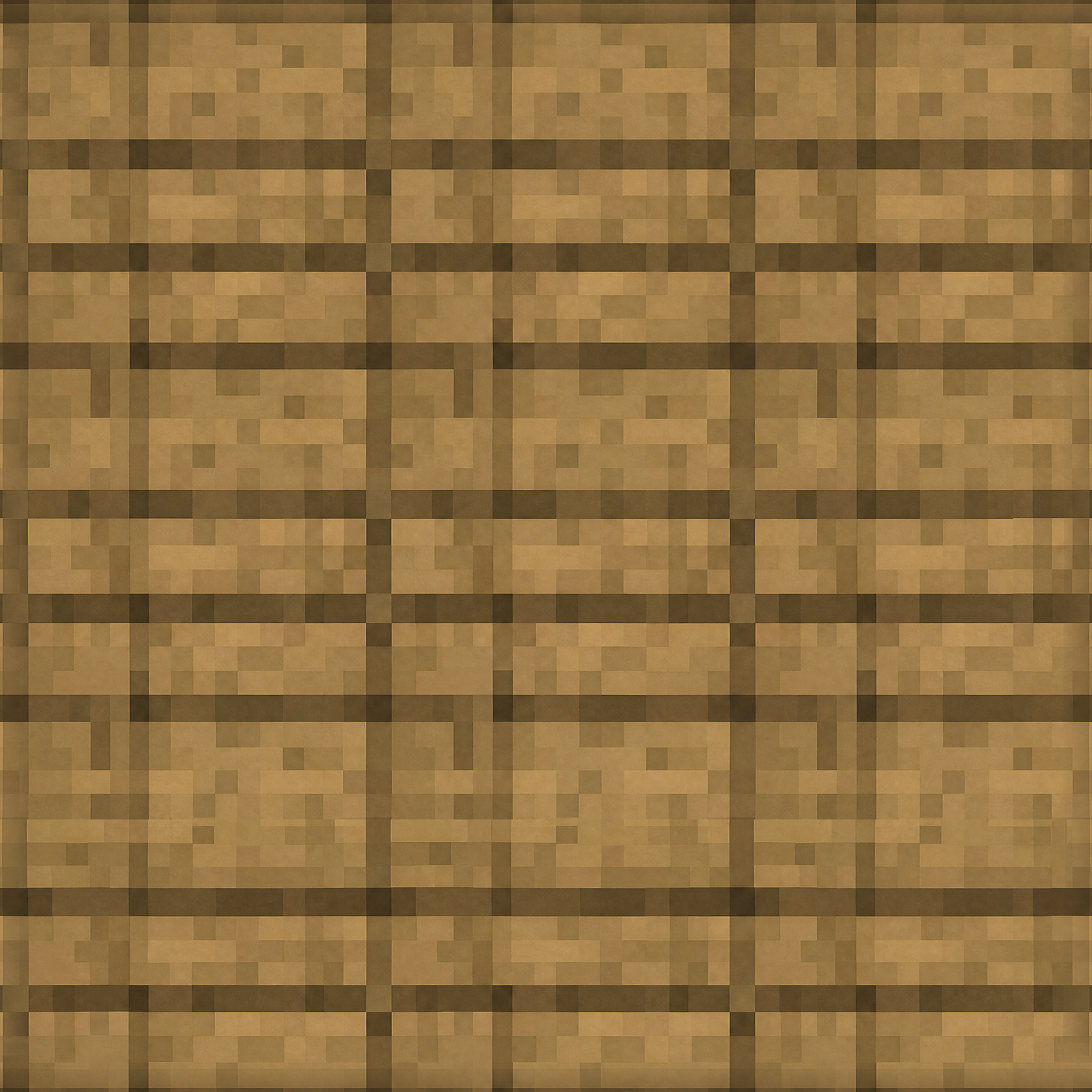
Tan Pixel-Art Oak Fence Panel Texture
Tan Pixel-Art Oak Fence Panel Texture shows blocky vertical plank sections divided by dark rails and posts in a repeated grid. Use it for stylized fences, voxel props, wall tiles, or sprite maps, then verify UV orientation, edge matching, pixel scale, and any required transparency.
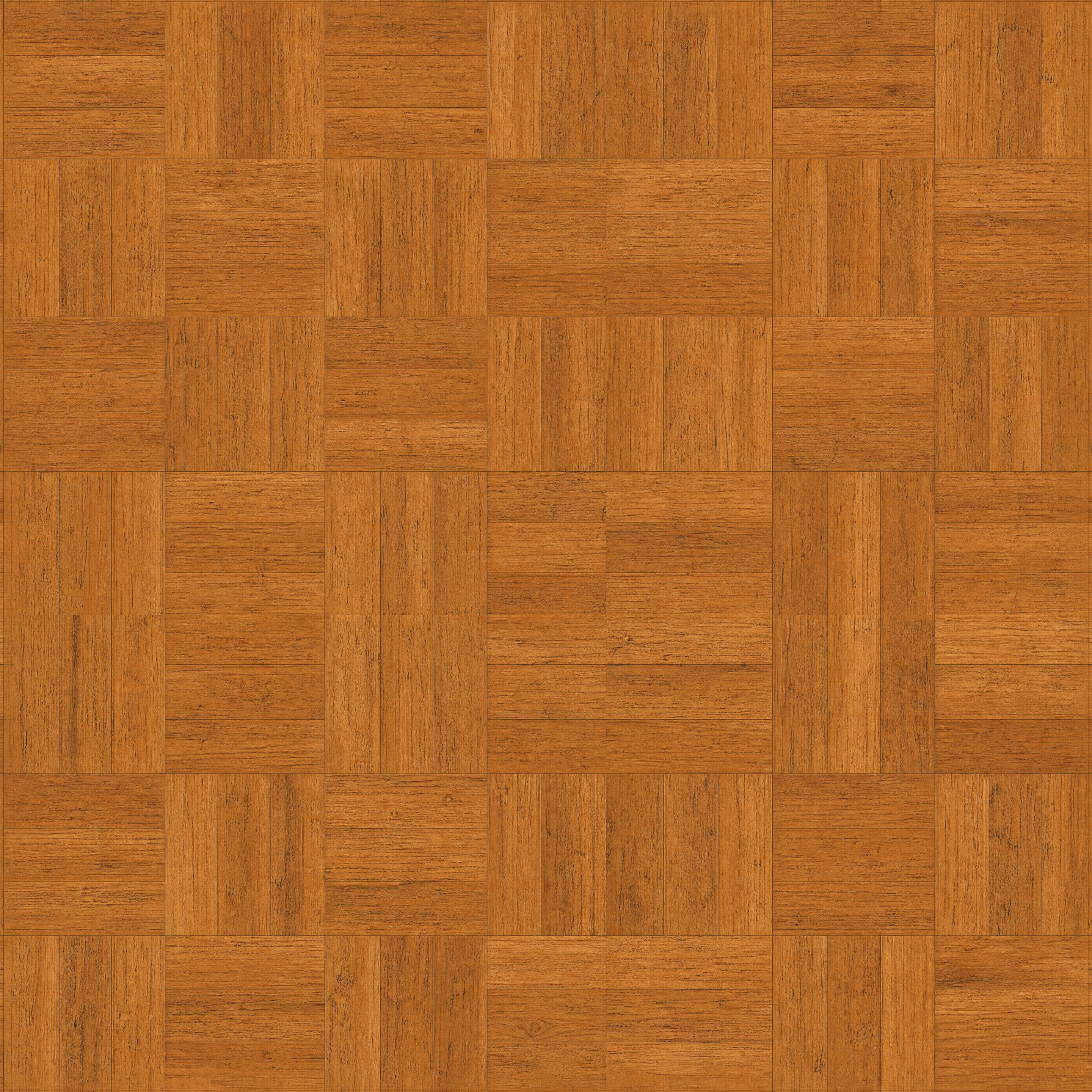
Warm Amber Block Parquet Wood Texture
Warm Amber Block Parquet Wood Texture shows broad rectangular wood groups arranged in a repeating orthogonal pattern with fine straight grain. Use it for interior flooring, paneling, cabinets, or furniture, then verify block scale, grain orientation, repeat landmarks, relief, and finish in the target renderer.
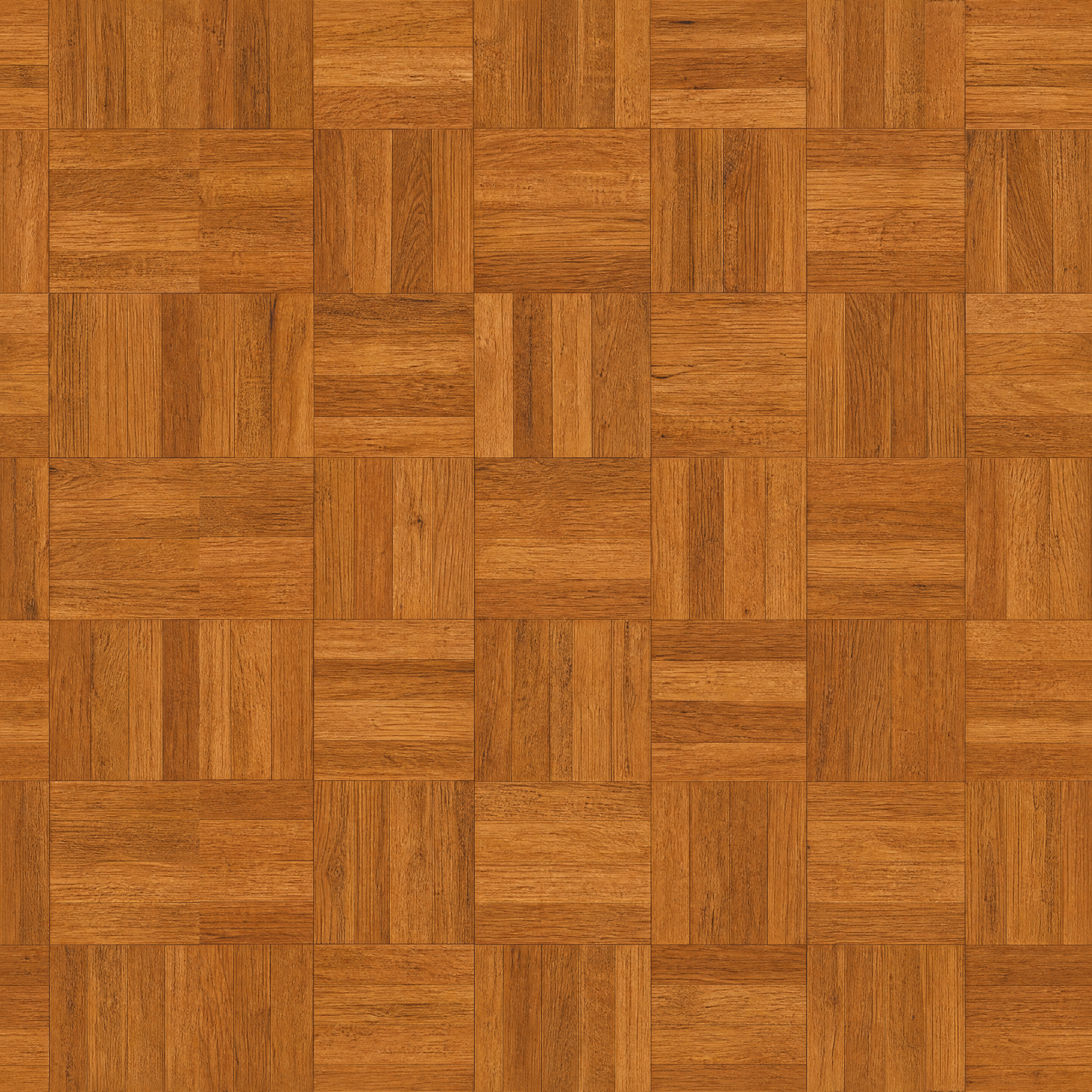
Golden Brown Basketweave Parquet Wood Texture
Golden Brown Basketweave Parquet Wood Texture shows short wood slats interlocked in alternating rectangular groups with clear amber grain. Use it for floors, wall inlays, furniture, or decorative panels, then confirm slat scale, directional grain, repeat seams, relief, and varnish response.
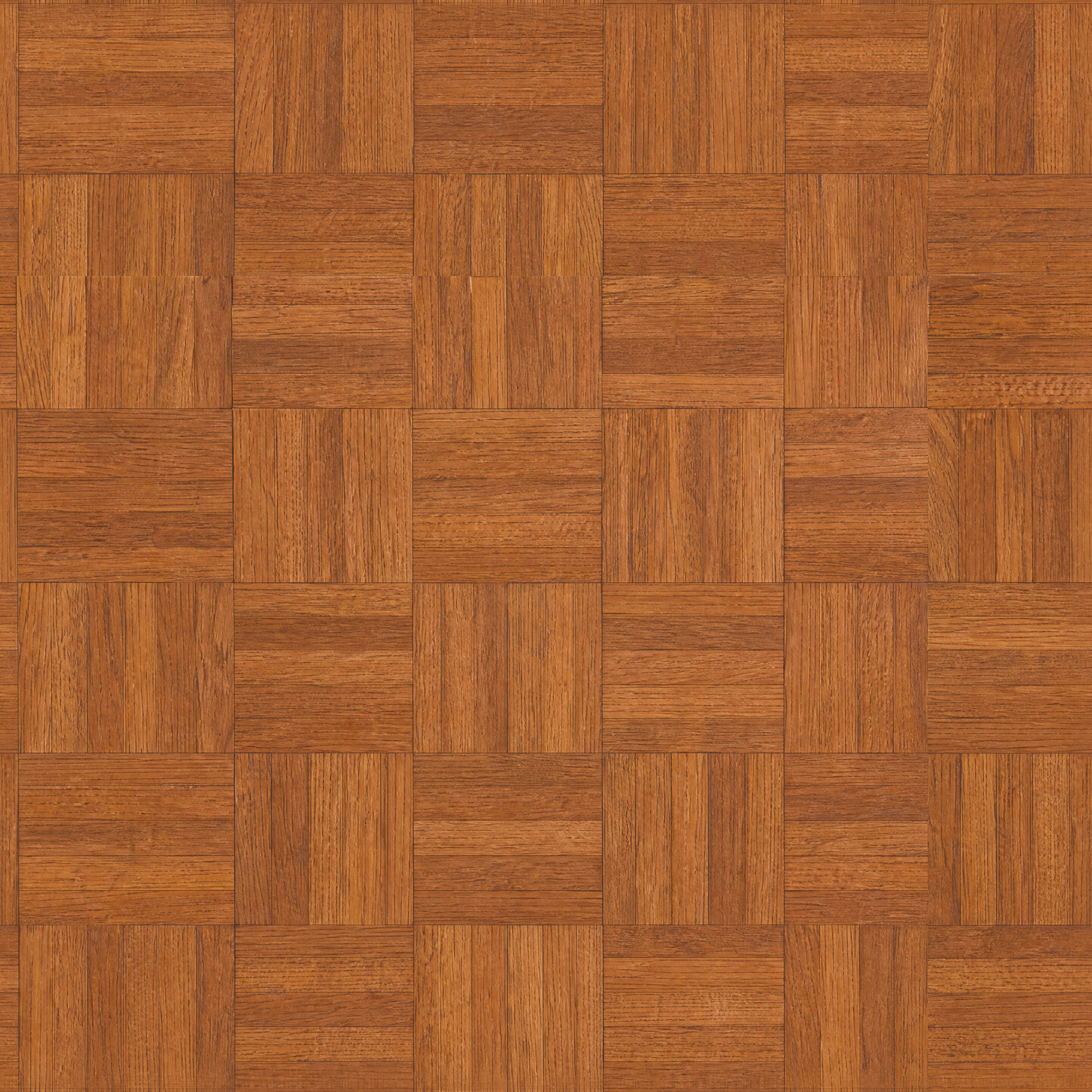
Medium Brown Square Parquet Wood Texture
Medium Brown Square Parquet Wood Texture shows small wood slats grouped into alternating square blocks with visible warm grain. Use it for interior floors, furniture panels, or decorative woodwork, then verify board dimensions, grain direction, repeat cadence, relief, and finish under broad light.
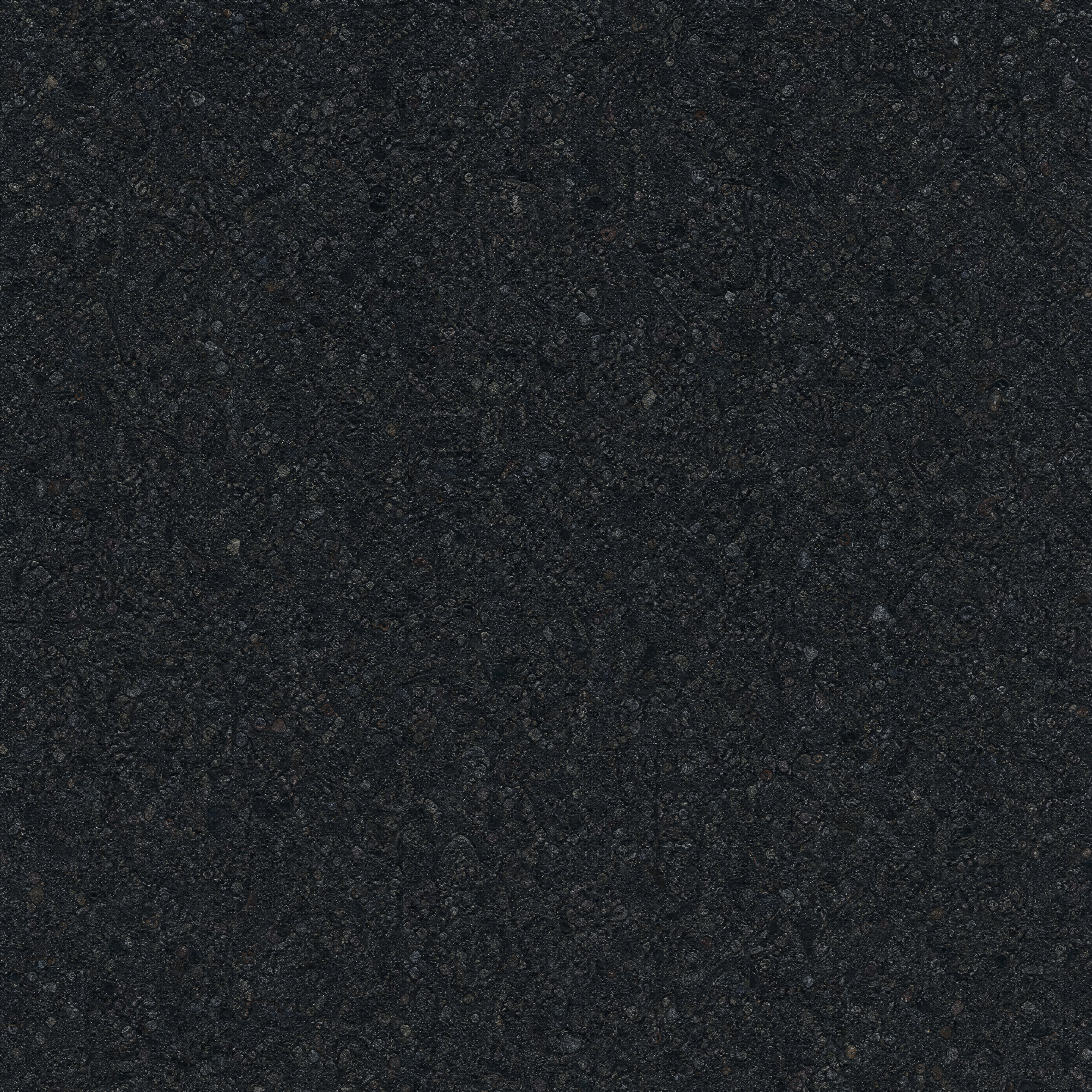
Brown Weathered Vertical Wood Texture
Brown Weathered Vertical Wood Texture shows brown, dark gray, and black across a wood or aged metal surface with a non repeating finish and an aged appearance. Use it for hard-surface props, panels, machinery, or architectural details, then verify physical scale, metallic response, relief, and roughness under the final lighting.
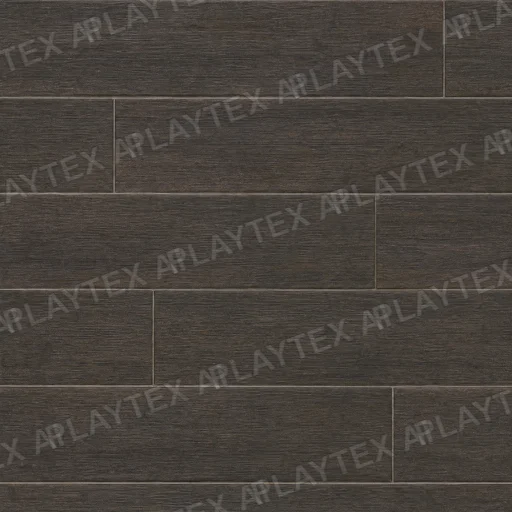
Dark Planks Step Up Texture
Dark Planks Step Up Texture shows dark brown, black, and grey across a wood surface with a linear pattern and a naturalistic appearance. Use it as a reference for meshes, props, terrain, or architectural materials, then verify repeat landmarks, physical scale, relief, and roughness under the lighting used by the final scene.
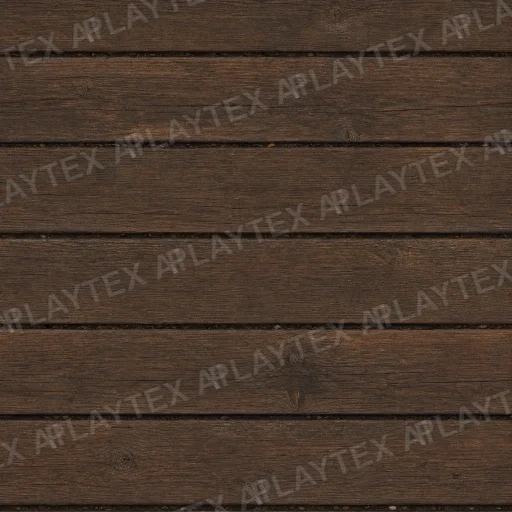
Wood Planks Medium Brown Texture
Wood Planks Medium Brown Texture shows medium brown, tan, and light brown across a wood surface with a linear pattern and a naturalistic appearance. Use it as a reference for meshes, props, terrain, or architectural materials, then verify repeat landmarks, physical scale, relief, and roughness under the lighting used by the final scene.
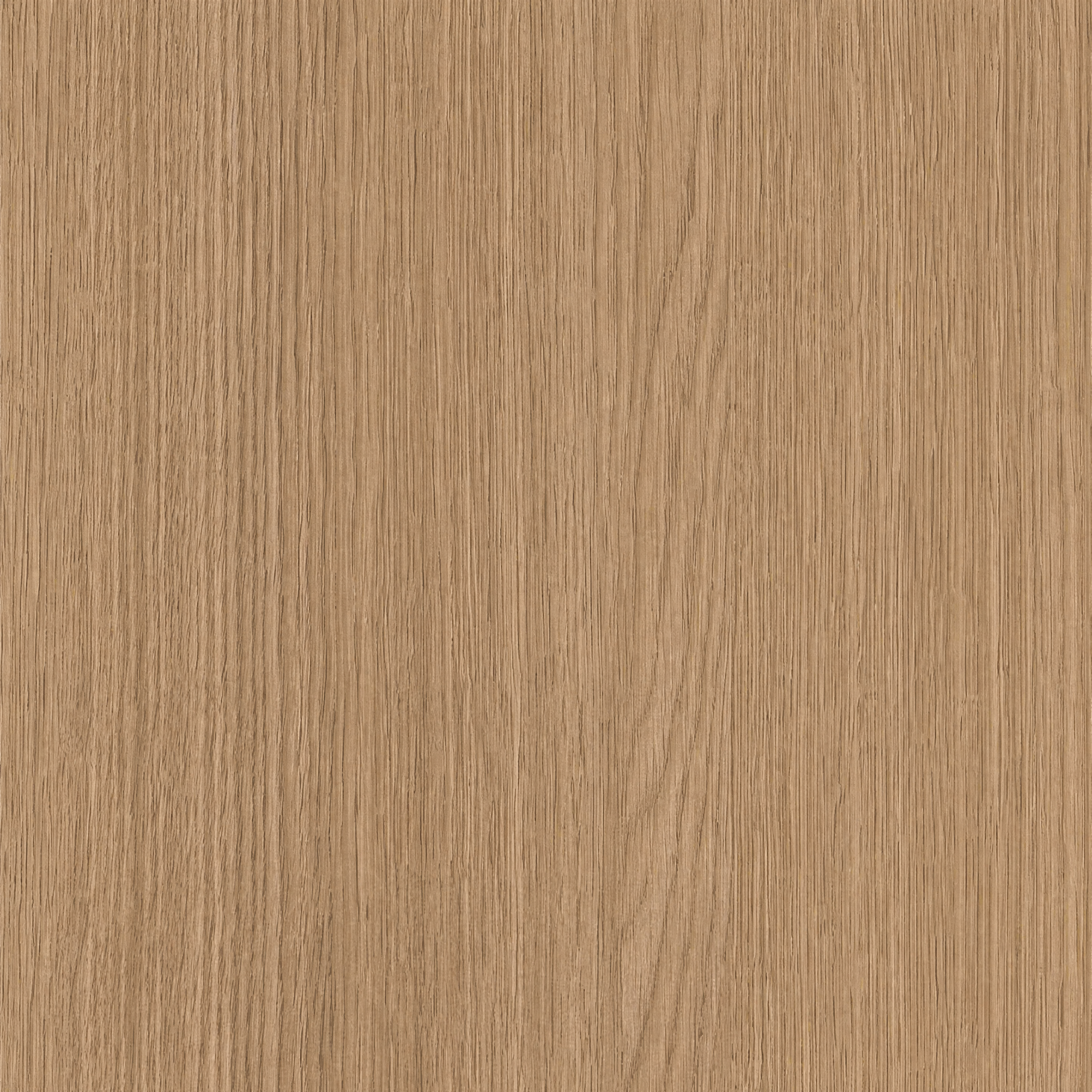
Light Brown Wood Grain Texture
Light Brown Wood Grain Texture shows light brown, medium brown, and tan across a wood surface with a linear pattern and a naturalistic appearance. Use it as a reference for meshes, props, terrain, or architectural materials, then verify repeat landmarks, physical scale, relief, and roughness under the lighting used by the final scene.
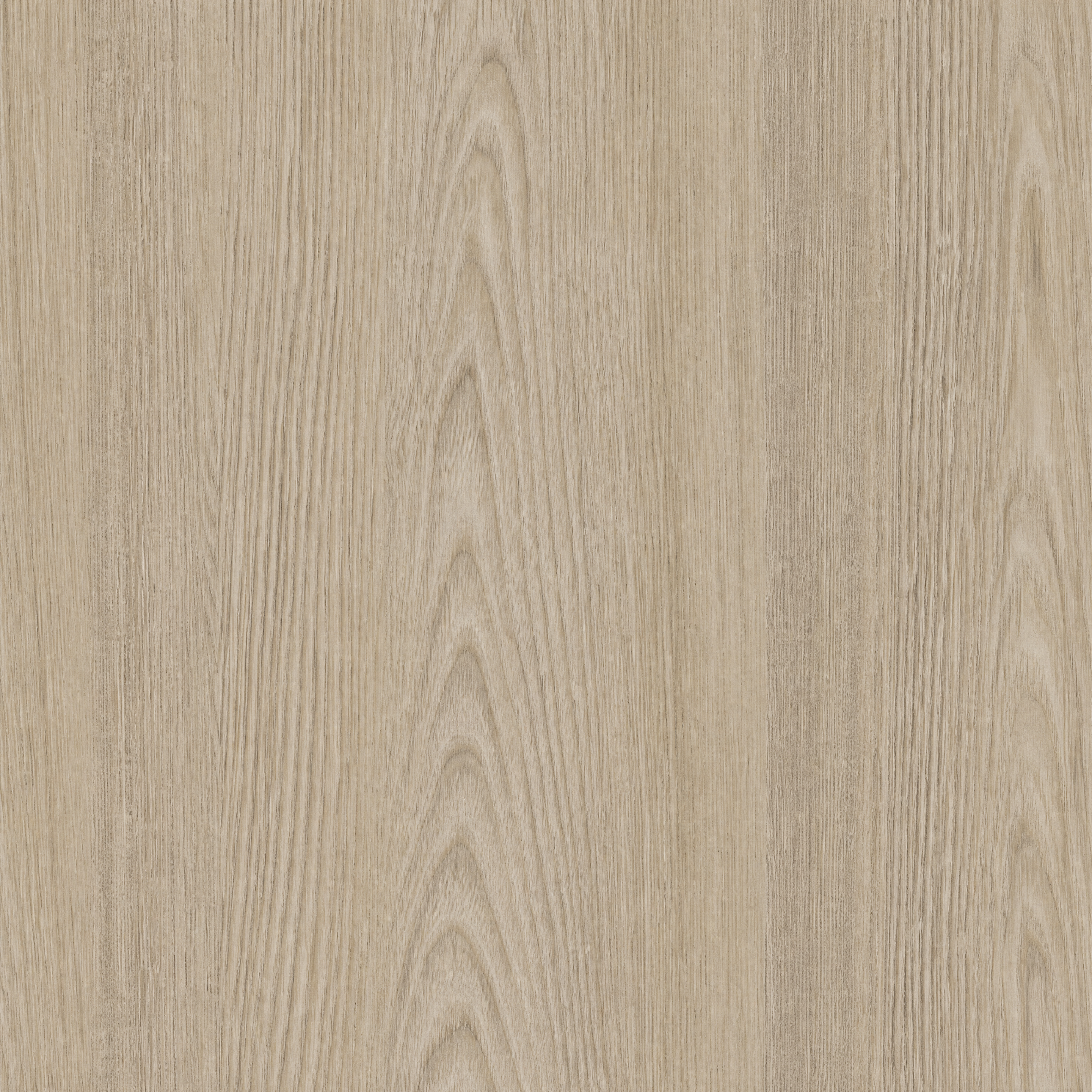
Beige Light Wood Pale Brown Texture
Beige Light Wood Pale Brown Texture shows beige, light tan, and cream across a wood surface with fine grain and a natural appearance. Use it as a reference for meshes, props, terrain, or architectural materials, then verify repeat landmarks, physical scale, relief, and roughness under the lighting used by the final scene.
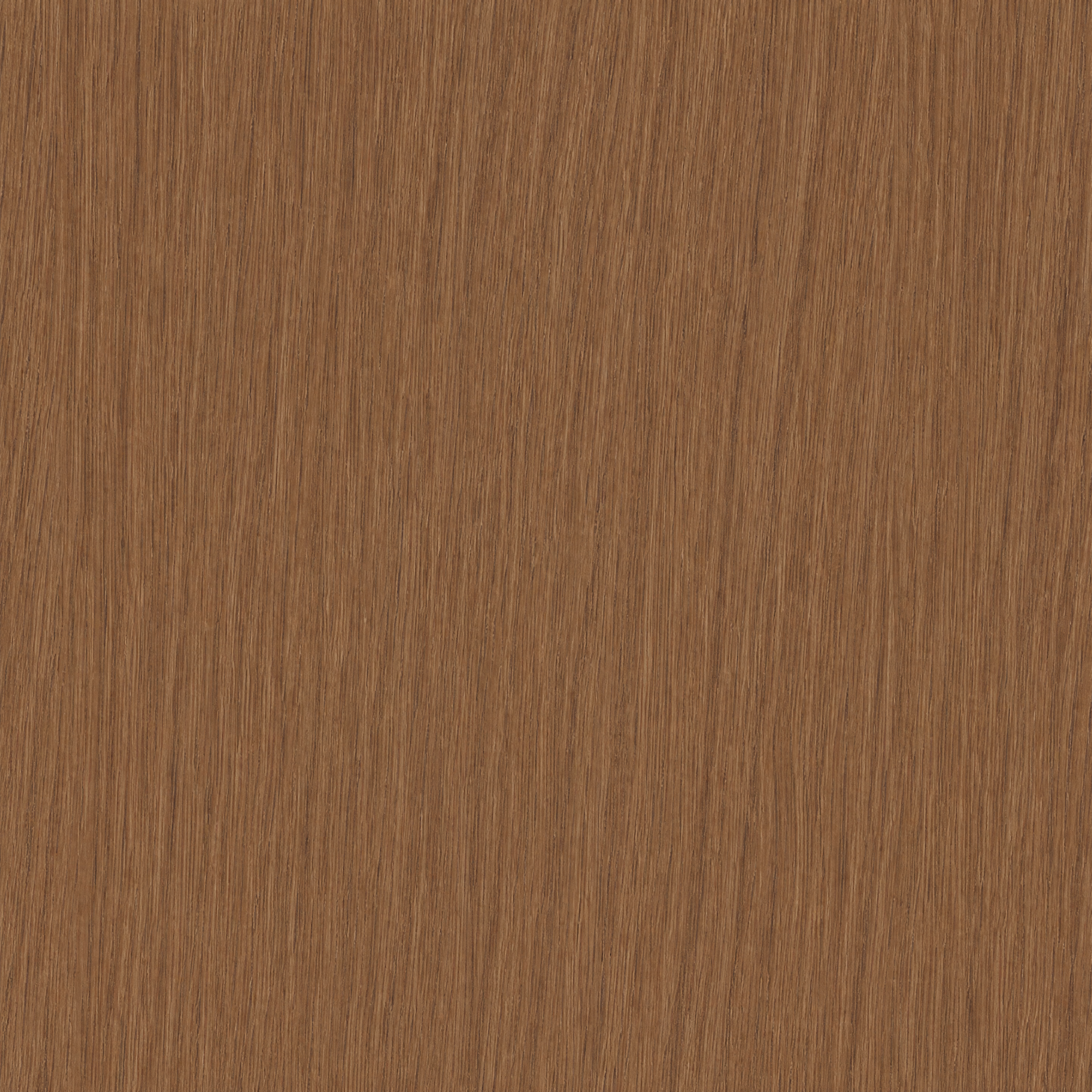
Dark Brown Wood Deep Texture
Dark Brown Wood Deep Texture shows dark brown, sepia, and deep tan across a wood surface with deep grain and a rich appearance. Use it as a reference for meshes, props, terrain, or architectural materials, then verify repeat landmarks, physical scale, relief, and roughness under the lighting used by the final scene.
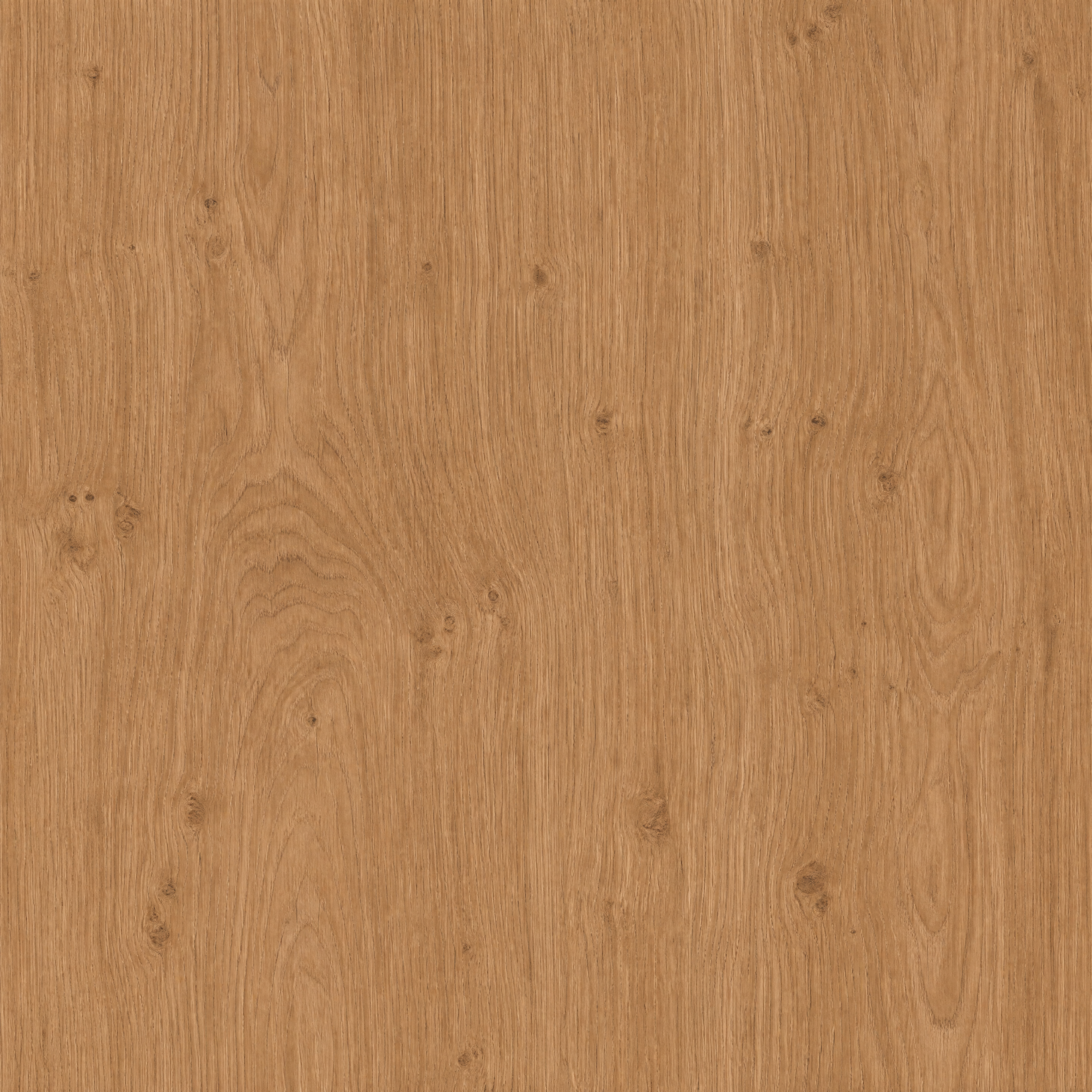
Light Beige Oak Wood Texture
Light Beige Oak Wood Texture shows light beige, tan, and off white across a wood surface with wavy grain and a rustic appearance. Use it as a reference for meshes, props, terrain, or architectural materials, then verify repeat landmarks, physical scale, relief, and roughness under the lighting used by the final scene.
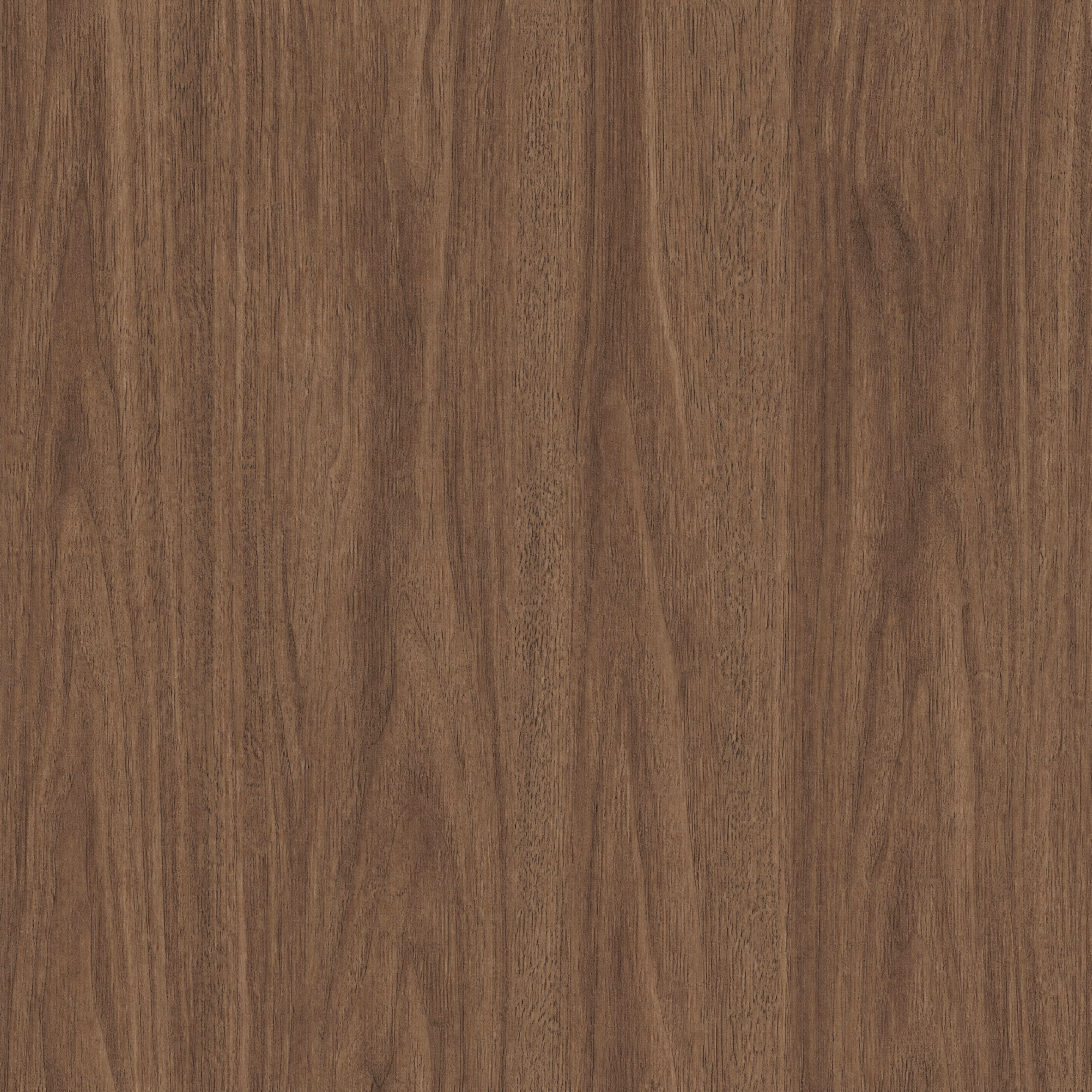
Wood Grain Surface Brown Texture
Wood Grain Surface Brown Texture shows brown and dark brown across a wood surface with a linear pattern and a naturalistic appearance. Use it as a reference for meshes, props, terrain, or architectural materials, then verify repeat landmarks, physical scale, relief, and roughness under the lighting used by the final scene.
Stylized Birch Wood Texture
Stylized Birch Wood Texture shows brown, orange, and white across a wood surface with vertical grain and a stylized appearance. Use it as a reference for meshes, props, terrain, or architectural materials, then verify repeat landmarks, physical scale, relief, and roughness under the lighting used by the final scene.
Brown Stylized Grain Wood Texture
Brown Stylized Grain Wood Texture shows brown and tan across a wood surface with grain and a stylized appearance. Use it as a reference for meshes, props, terrain, or architectural materials, then verify repeat landmarks, physical scale, relief, and roughness under the lighting used by the final scene.
Stylized Wood Medium Scale Texture
Stylized Wood Medium Scale Texture shows medium brown across a wood surface with grain and a stylized appearance. Use it as a reference for meshes, props, terrain, or architectural materials, then verify repeat landmarks, physical scale, relief, and roughness under the lighting used by the final scene.
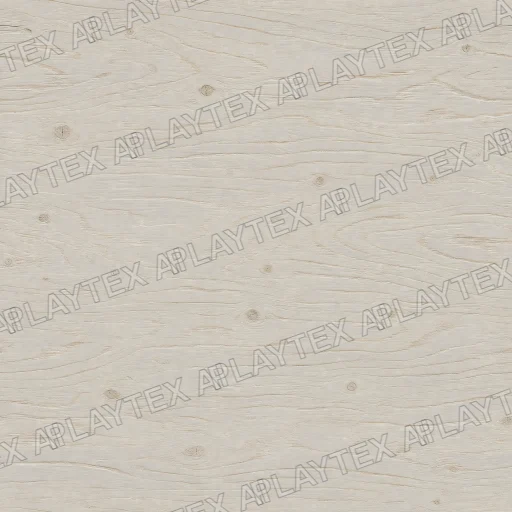
Stylized Painted Birch Wood Texture
Stylized Painted Birch Wood Texture shows tan and orange across a wood surface with grain and a stylized appearance. Use it as a reference for meshes, props, terrain, or architectural materials, then verify repeat landmarks, physical scale, relief, and roughness under the lighting used by the final scene.
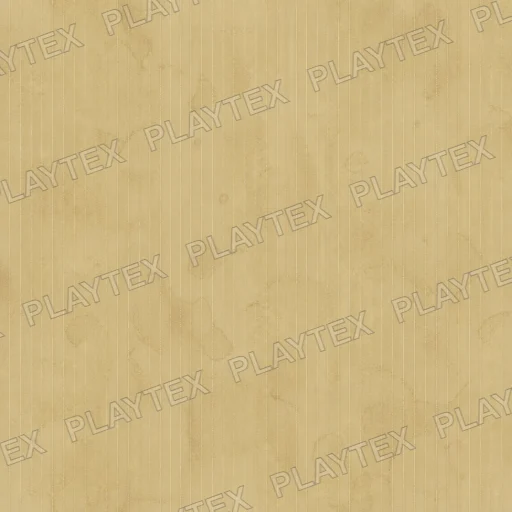
Retro Pale Yellow Office Wallpaper Pattern Texture
Retro Pale Yellow Office Wallpaper Pattern Texture shows pale yellow and beige across a paper surface with continuous surface variation and a retro appearance. Use it as a reference for meshes, props, terrain, or architectural materials, then verify repeat landmarks, physical scale, relief, and roughness under the lighting used by the final scene.
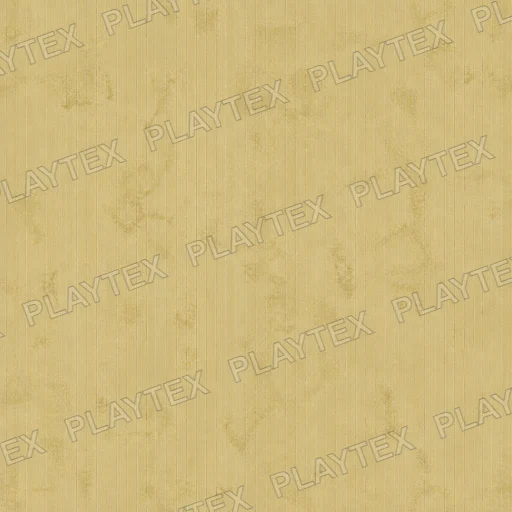
Retro Pale Yellow Office Wallpaper Texture
Retro Pale Yellow Office Wallpaper Texture shows pale yellow, beige, and off white across a paper surface with continuous surface variation and a vintage appearance. Use it as a reference for meshes, props, terrain, or architectural materials, then verify repeat landmarks, physical scale, relief, and roughness under the lighting used by the final scene.
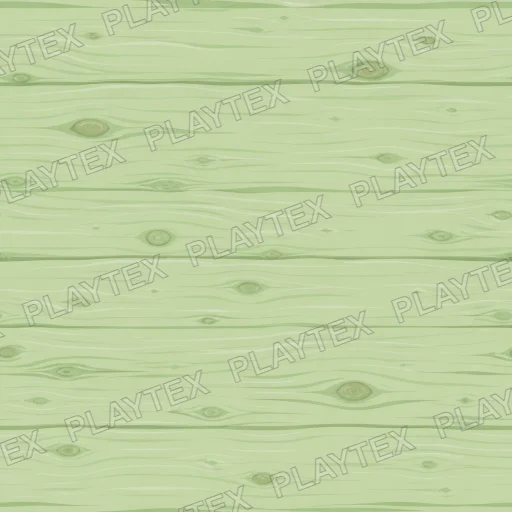
Soft Pastel Painted Wood Texture
Soft Pastel Painted Wood Texture shows light green, pink, and beige across a wood surface with a plaid pattern and a painted appearance. Use it as a reference for meshes, props, terrain, or architectural materials, then verify repeat landmarks, physical scale, relief, and roughness under the lighting used by the final scene.
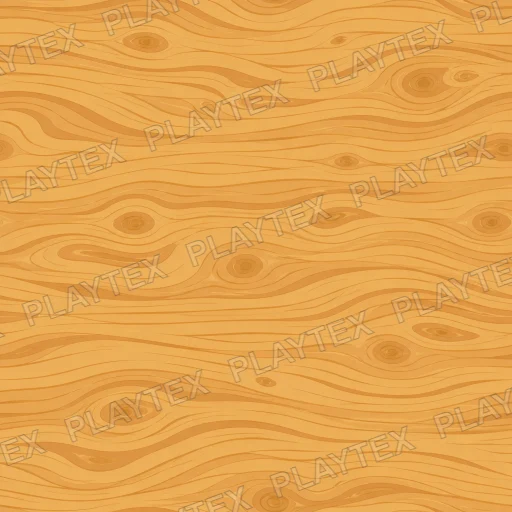
Wood Grain Brown Texture
Wood Grain Brown Texture shows brown, orange, and tan across a wood surface with grain and a naturalistic appearance. Use it as a reference for meshes, props, terrain, or architectural materials, then verify repeat landmarks, physical scale, relief, and roughness under the lighting used by the final scene.
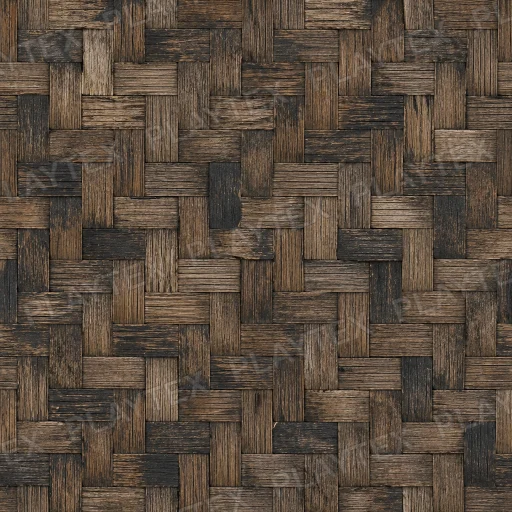
Rustic Woven Wood Parquet Texture
Rustic Woven Wood Parquet Texture arranges short dark timber strips in an interlaced basket pattern with varied grain and wear. It fits floors, wall panels, cabins, and furniture accents; test repeat landmarks and align the board scale to the mesh.
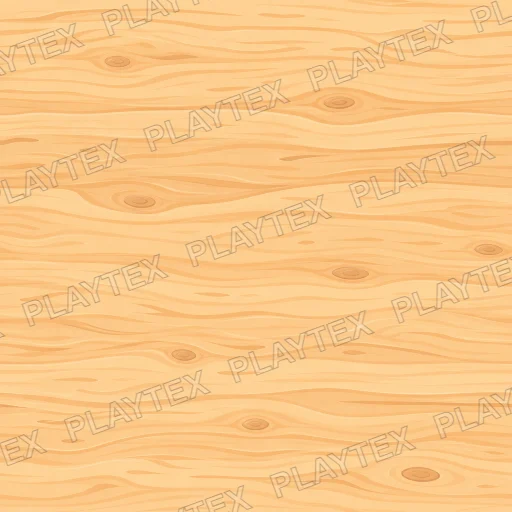
Cozy Cottagecore Light Wood Texture
Cozy Cottagecore Light Wood Texture shows light brown, beige, and cream across a wood surface with wood grain and a cottagecore appearance. Use it as a reference for meshes, props, terrain, or architectural materials, then verify repeat landmarks, physical scale, relief, and roughness under the lighting used by the final scene.
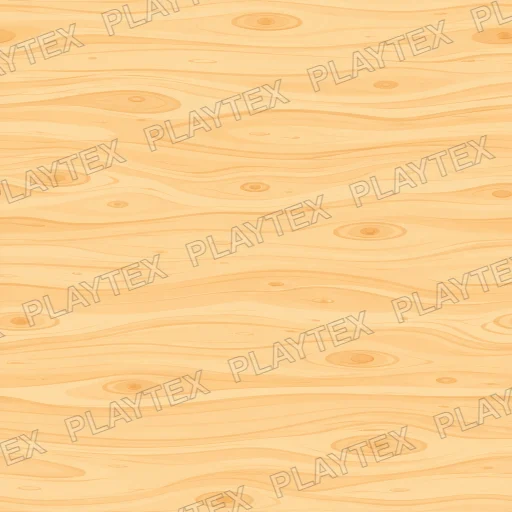
Cute Stylized Light Wood Texture
Cute Stylized Light Wood Texture shows pale yellow and light beige across a wood surface with wood grain and a stylized appearance. Use it as a reference for meshes, props, terrain, or architectural materials, then verify repeat landmarks, physical scale, relief, and roughness under the lighting used by the final scene.
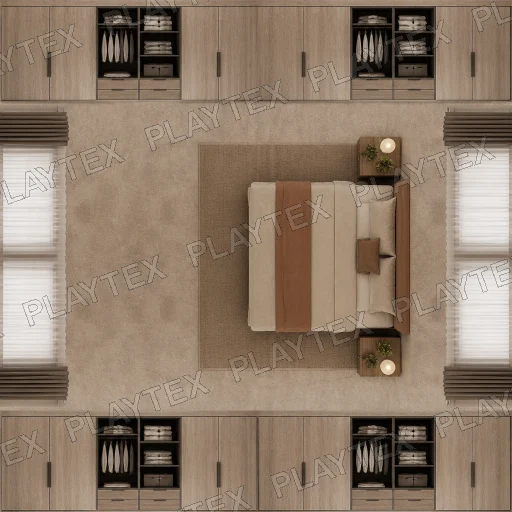
Bedroom Wadrobe Window Texture
Bedroom Wadrobe Window Texture shows brown, dark brown, and black across a wood surface with wood grain and a naturalistic appearance. Use it as a reference for meshes, props, terrain, or architectural materials, then verify repeat landmarks, physical scale, relief, and roughness under the lighting used by the final scene.
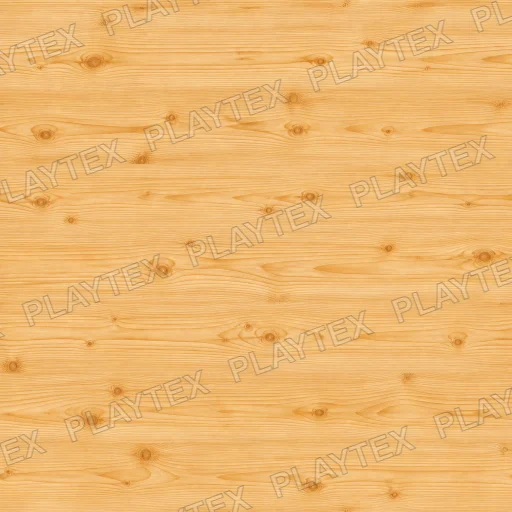
Wood Pine Sanded Texture
Wood Pine Sanded Texture shows light brown, tan, and beige across a wood surface with a linear pattern and a naturalistic appearance. Use it as a reference for meshes, props, terrain, or architectural materials, then verify repeat landmarks, physical scale, relief, and roughness under the lighting used by the final scene.
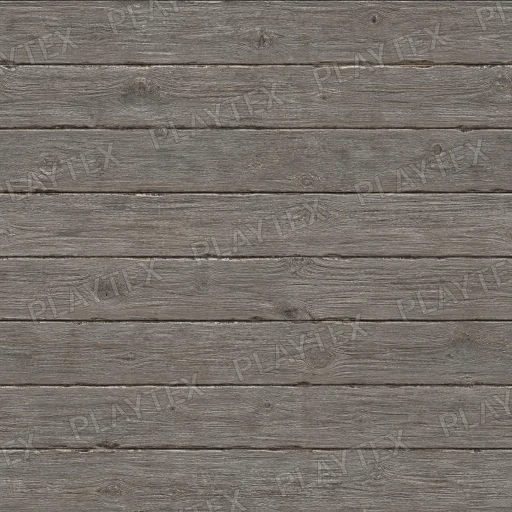
Weathered Oak Planks Texture
Weathered Oak Planks Texture shows brown, gray, and tan across a wood surface with a horizontal pattern and a rustic appearance. Use it as a reference for meshes, props, terrain, or architectural materials, then verify repeat landmarks, physical scale, relief, and roughness under the lighting used by the final scene.
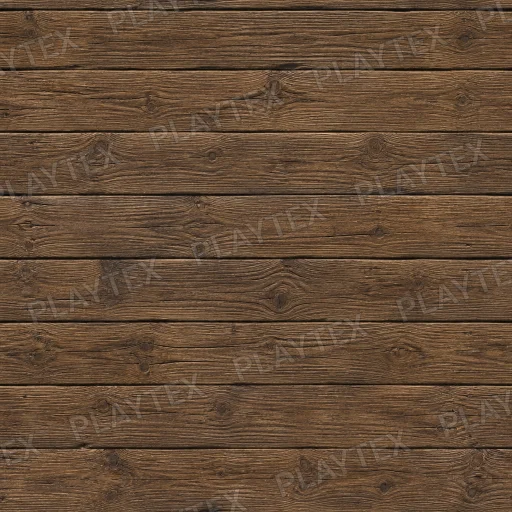
Weathered Dark Oak Plank Texture
Weathered Dark Oak Plank Texture shows horizontal brown boards with visible grain, knots, narrow seams, and uneven aging. It suits rustic floors, cabins, decking, and furniture panels; align the grain direction and test distinctive boards across a larger tiled area.
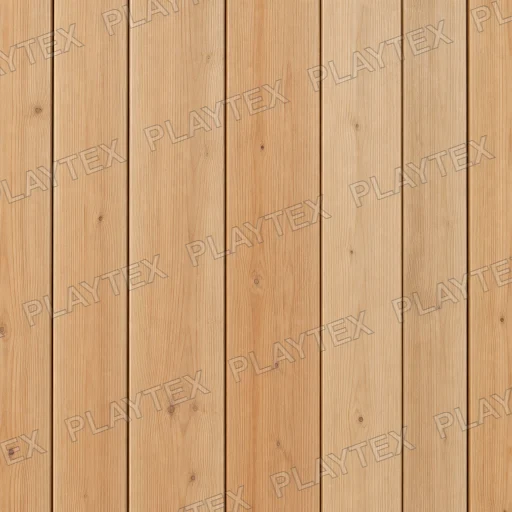
-Realistic Vertical Japanese Cedar Architectural Texture
-Realistic Vertical Japanese Cedar Architectural Texture shows brown, tan, and light brown across a wood surface with vertical grain and a naturalistic appearance. Use it as a reference for meshes, props, terrain, or architectural materials, then verify repeat landmarks, physical scale, relief, and roughness under the lighting used by the final scene.
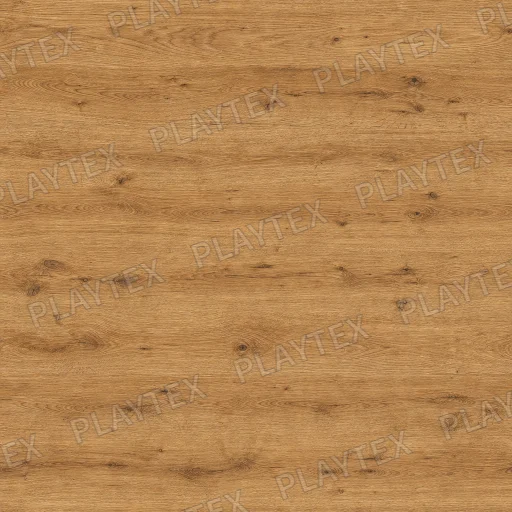
Light Brown Grain Wood Texture
Light Brown Grain Wood Texture shows light brown, reddish brown, and tan across a wood surface with continuous surface variation and a natural appearance. Use it as a reference for meshes, props, terrain, or architectural materials, then verify repeat landmarks, physical scale, relief, and roughness under the lighting used by the final scene.
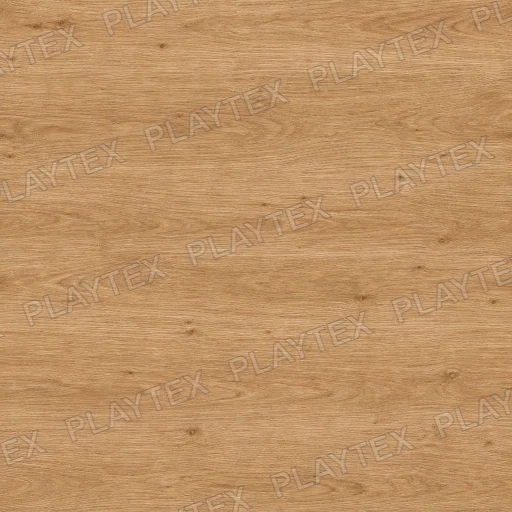
Wood - Oak Light Brown Texture
Wood - Oak Light Brown Texture shows light brown, medium brown, and tan across a wood surface with grain and a naturalistic appearance. Use it as a reference for meshes, props, terrain, or architectural materials, then verify repeat landmarks, physical scale, relief, and roughness under the lighting used by the final scene.
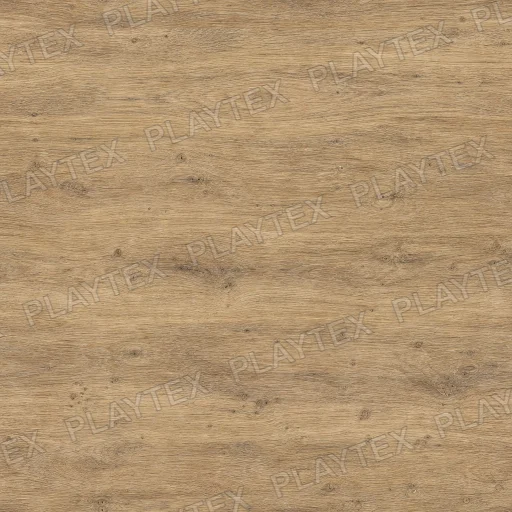
Wood - Oak Raw Texture
Wood - Oak Raw Texture shows tan, light brown, and medium brown across a wood surface with grain and a rustic appearance. Use it as a reference for meshes, props, terrain, or architectural materials, then verify repeat landmarks, physical scale, relief, and roughness under the lighting used by the final scene.
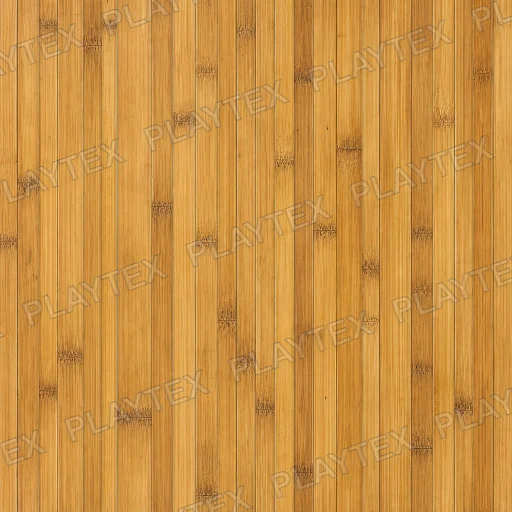
Bamboo Wood Light Brown Texture
Bamboo Wood Light Brown Texture shows light brown and tan across a wood surface with linear grain and a naturalistic appearance. Use it as a reference for meshes, props, terrain, or architectural materials, then verify repeat landmarks, physical scale, relief, and roughness under the lighting used by the final scene.
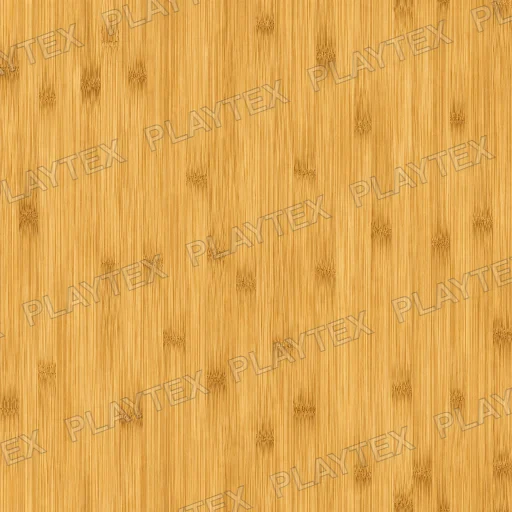
Bamboo Wood Medium Brown Texture
Bamboo Wood Medium Brown Texture shows medium brown and tan across a wood surface with linear grain and a naturalistic appearance. Use it as a reference for meshes, props, terrain, or architectural materials, then verify repeat landmarks, physical scale, relief, and roughness under the lighting used by the final scene.
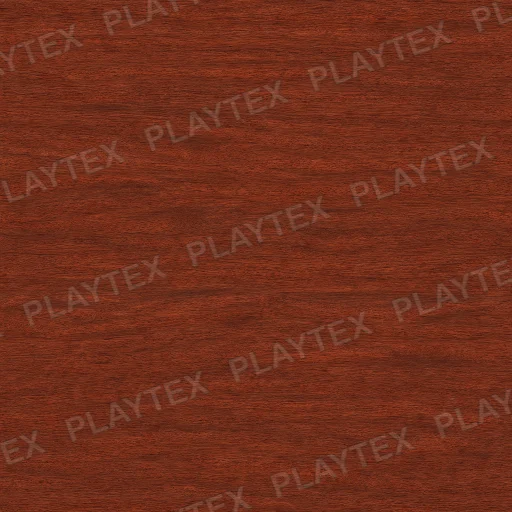
Dark Brown Mahogany Grain Wood Texture
Dark Brown Mahogany Grain Wood Texture shows dark brown and reddish brown across a wood surface with swirling grain and a naturalistic appearance. Use it as a reference for meshes, props, terrain, or architectural materials, then verify repeat landmarks, physical scale, relief, and roughness under the lighting used by the final scene.
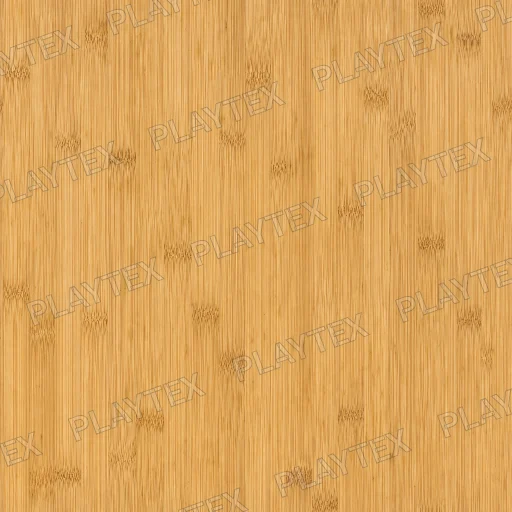
Bamboo Wood Brown Texture
Bamboo Wood Brown Texture shows brown, tan, and gold across a wood surface with a linear pattern and a natural appearance. Use it as a reference for meshes, props, terrain, or architectural materials, then verify repeat landmarks, physical scale, relief, and roughness under the lighting used by the final scene.
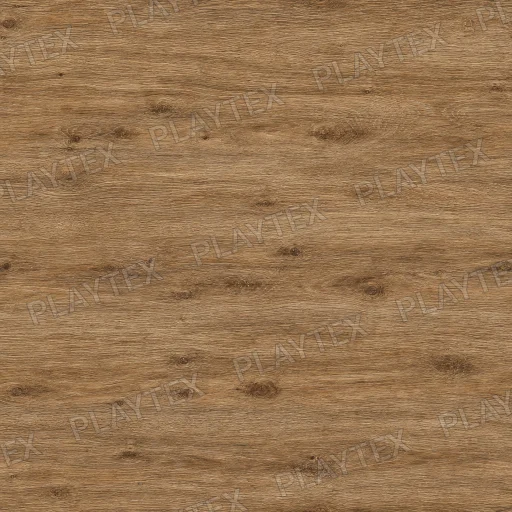
Brown Grain Plank Wood Texture
Brown Grain Plank Wood Texture shows brown and tan across a wood surface with a linear pattern and a natural appearance. Use it as a reference for meshes, props, terrain, or architectural materials, then verify repeat landmarks, physical scale, relief, and roughness under the lighting used by the final scene.
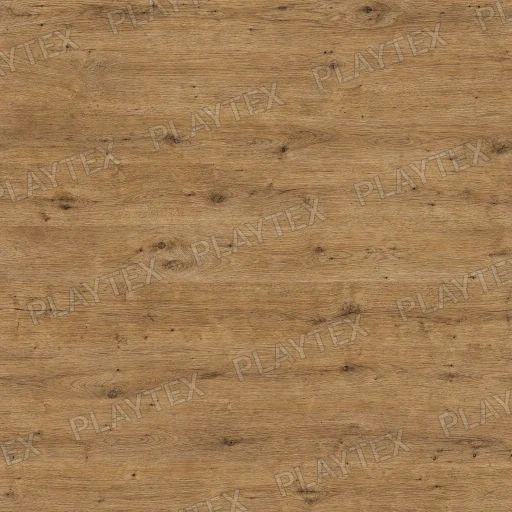
Wood Brown Tan Texture
Wood Brown Tan Texture shows brown and tan across a wood surface with a linear pattern and a natural appearance. Use it as a reference for meshes, props, terrain, or architectural materials, then verify repeat landmarks, physical scale, relief, and roughness under the lighting used by the final scene.
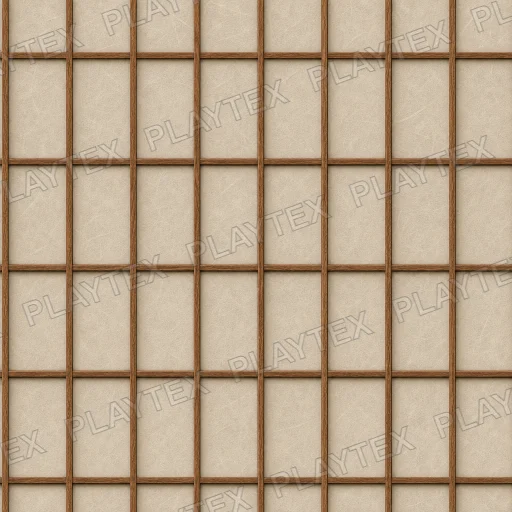
Light Brown Shoji Screen Wood Texture
Light Brown Shoji Screen Wood Texture shows light brown and beige across a wood surface with a regular grid and a stylized appearance. Use it as a reference for meshes, props, terrain, or architectural materials, then verify repeat landmarks, physical scale, relief, and roughness under the lighting used by the final scene.
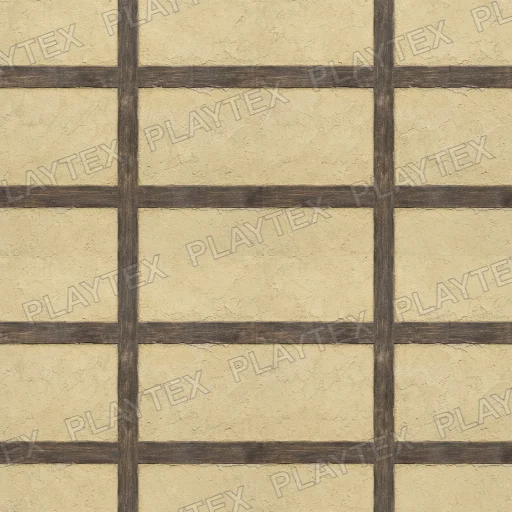
Light Brown Wall Vertical Wood Texture
Light Brown Wall Vertical Wood Texture shows light brown and beige across a wood surface with a vertical pattern and a stylized appearance. Use it as a reference for meshes, props, terrain, or architectural materials, then verify repeat landmarks, physical scale, relief, and roughness under the lighting used by the final scene.
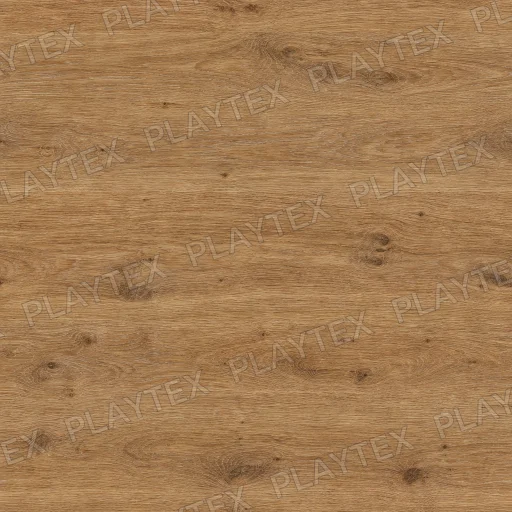
Wood Brown Tan Linear Texture
Wood Brown Tan Linear Texture shows brown and tan across a wood surface with a linear pattern and a naturalistic appearance. Use it as a reference for meshes, props, terrain, or architectural materials, then verify repeat landmarks, physical scale, relief, and roughness under the lighting used by the final scene.
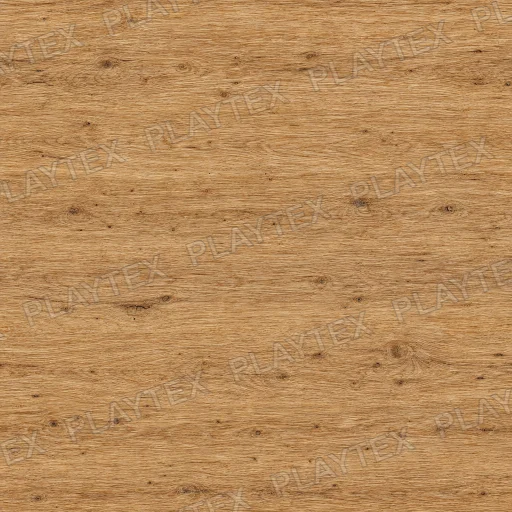
Brown Grain Plank Wood Tan Texture
Brown Grain Plank Wood Tan Texture shows brown, tan, and dark brown across a wood surface with a linear pattern and a naturalistic appearance. Use it as a reference for meshes, props, terrain, or architectural materials, then verify repeat landmarks, physical scale, relief, and roughness under the lighting used by the final scene.
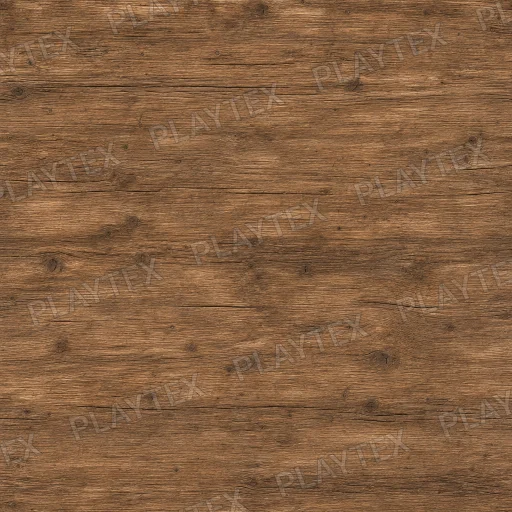
Brown Warm Complex Abstract Texture
Brown Warm Complex Abstract Texture shows brown, orange, and tan across an abstract surface with a complex pattern and an abstract appearance. Use it as a reference for meshes, props, terrain, or architectural materials, then verify repeat landmarks, physical scale, relief, and roughness under the lighting used by the final scene.
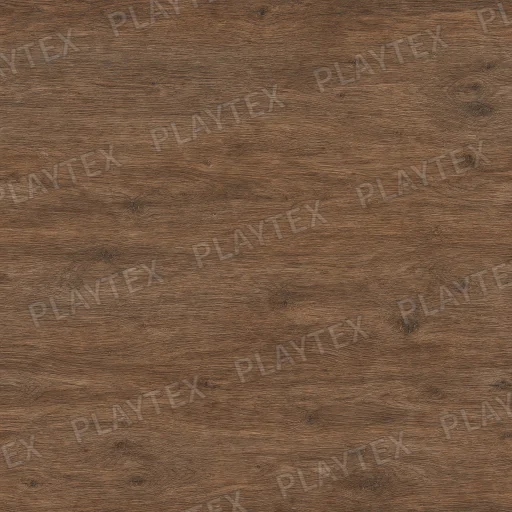
Brown Grain Tan Wood Texture
Brown Grain Tan Wood Texture shows brown and tan across a wood surface with wood grain and a naturalistic appearance. Use it as a reference for meshes, props, terrain, or architectural materials, then verify repeat landmarks, physical scale, relief, and roughness under the lighting used by the final scene.
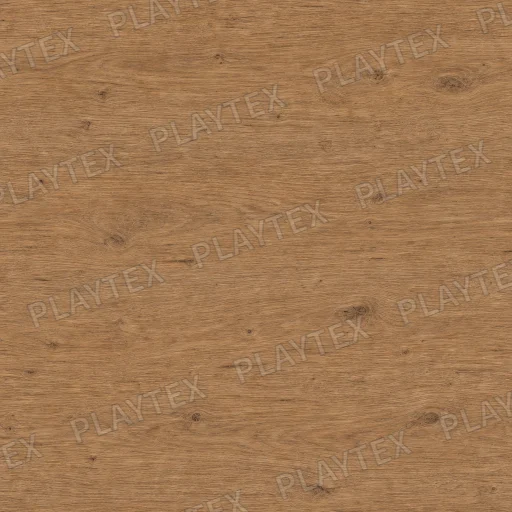
Wood Dark Brown Texture
Wood Dark Brown Texture shows dark brown, black, and light brown across a wood surface with a grained finish. Use it as a reference for meshes, props, terrain, or architectural materials, then verify repeat landmarks, physical scale, relief, and roughness under the lighting used by the final scene.
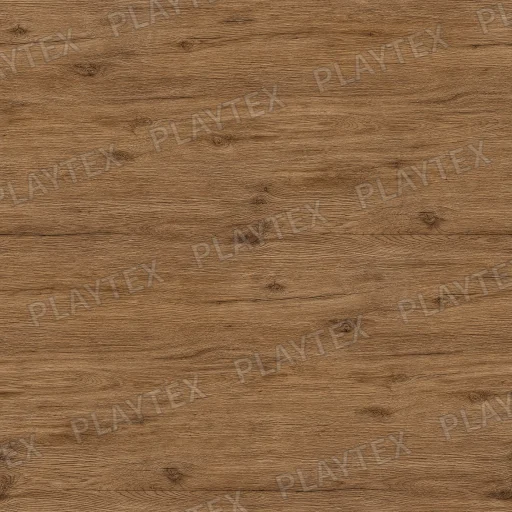
Wood Brown Linear Texture
Wood Brown Linear Texture shows brown, tan, and dark brown across a wood surface with a linear pattern and a naturalistic appearance. Use it as a reference for meshes, props, terrain, or architectural materials, then verify repeat landmarks, physical scale, relief, and roughness under the lighting used by the final scene.
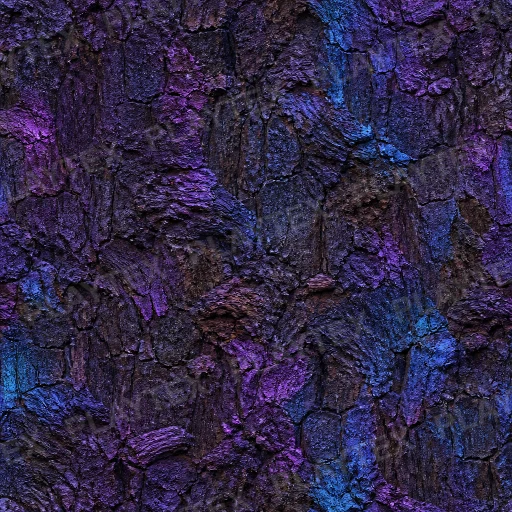
Light Blue Glowing Emissive Ceramic Texture
Light Blue Glowing Emissive Ceramic Texture shows light blue, white, and cyan across a ceramic surface with a regular grid and a stylized appearance. Use it as a reference for meshes, props, terrain, or architectural materials, then verify repeat landmarks, physical scale, relief, and roughness under the lighting used by the final scene.
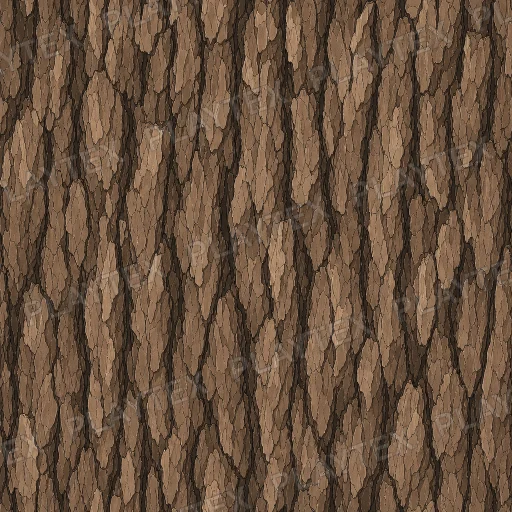
Wood Brown Realistic Texture
Wood Brown Realistic Texture shows brown, tan, and dark brown across a wood surface with a linear pattern and a naturalistic appearance. Use it as a reference for meshes, props, terrain, or architectural materials, then verify repeat landmarks, physical scale, relief, and roughness under the lighting used by the final scene.
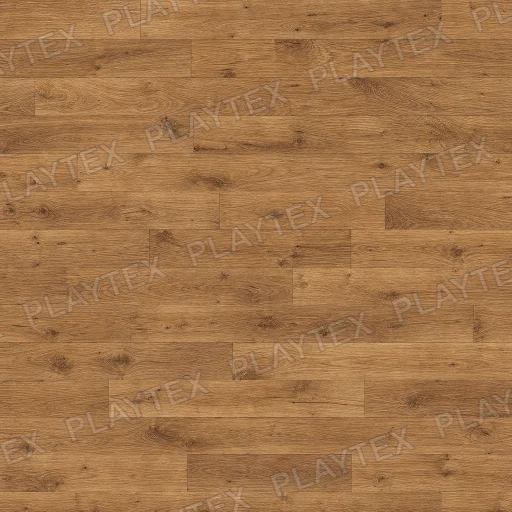
Wood Brown Plank Texture
Wood Brown Plank Texture shows brown, tan, and dark brown across a wood surface with a linear pattern and a naturalistic appearance. Use it as a reference for meshes, props, terrain, or architectural materials, then verify repeat landmarks, physical scale, relief, and roughness under the lighting used by the final scene.
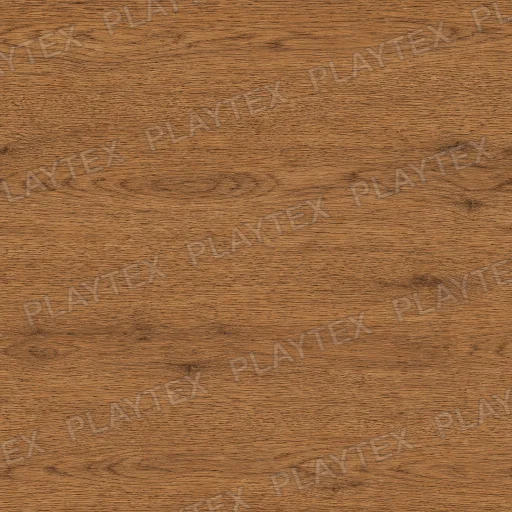
Wood Brown Grain Texture
Wood Brown Grain Texture shows brown and tan across a wood surface with a linear pattern and a naturalistic appearance. Use it as a reference for meshes, props, terrain, or architectural materials, then verify repeat landmarks, physical scale, relief, and roughness under the lighting used by the final scene.
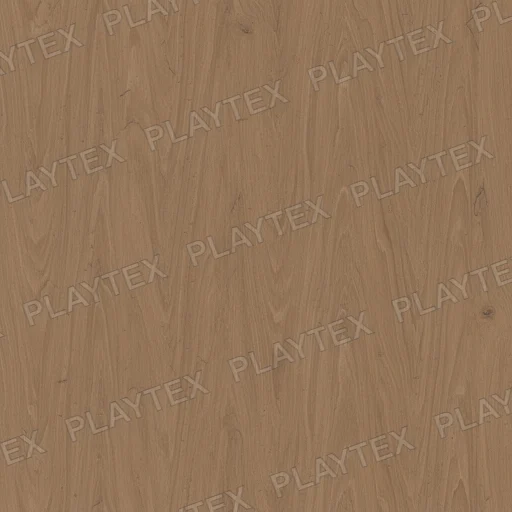
Brown Grain Natural Wood Texture
Brown Grain Natural Wood Texture shows brown, tan, and light brown across a wood surface with wood grain and a natural appearance. Use it as a reference for meshes, props, terrain, or architectural materials, then verify repeat landmarks, physical scale, relief, and roughness under the lighting used by the final scene.
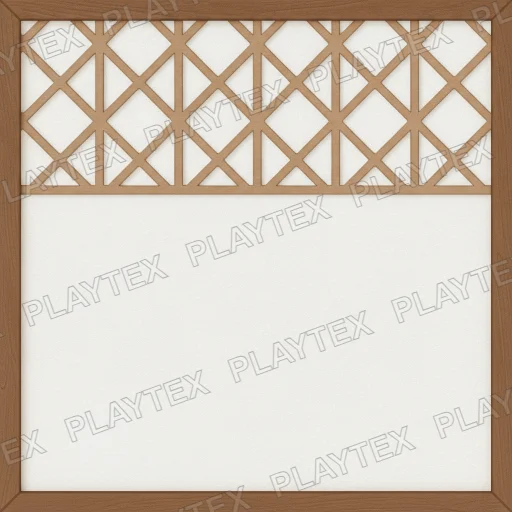
Grey Mottled Blue Abstract Texture
Grey Mottled Blue Abstract Texture shows grey, blue, and white across an abstract surface with a mottled pattern and an abstract appearance. Use it as a reference for meshes, props, terrain, or architectural materials, then verify repeat landmarks, physical scale, relief, and roughness under the lighting used by the final scene.
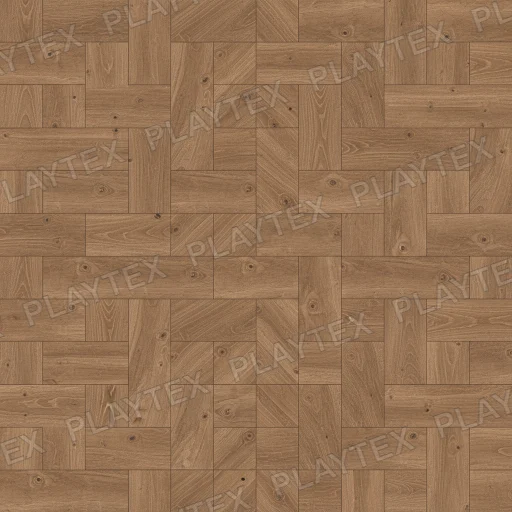
Wood Brown Beige Texture
Wood Brown Beige Texture shows brown, tan, and beige across a wood surface with a linear pattern and a natural appearance. Use it as a reference for meshes, props, terrain, or architectural materials, then verify repeat landmarks, physical scale, relief, and roughness under the lighting used by the final scene.
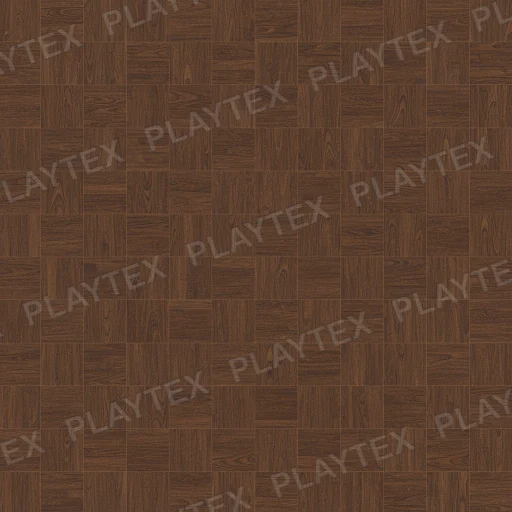
Wood Dark Brown Black Texture
Wood Dark Brown Black Texture shows dark brown and black across a wood surface with linear grain and a naturalistic appearance. Use it as a reference for meshes, props, terrain, or architectural materials, then verify repeat landmarks, physical scale, relief, and roughness under the lighting used by the final scene.
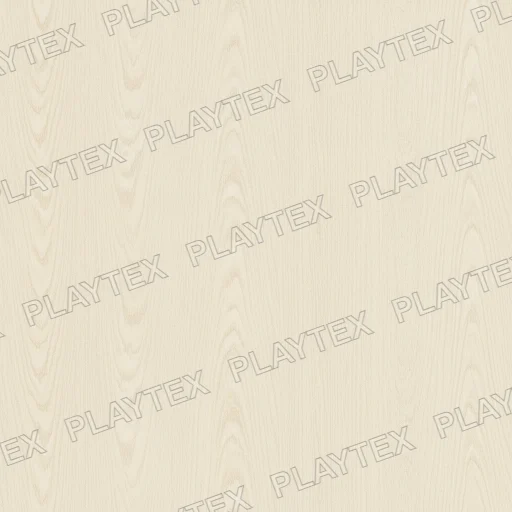
Wood Light Brown Texture
Wood Light Brown Texture shows light brown and tan across a wood surface with diagonal grain and a naturalistic appearance. Use it as a reference for meshes, props, terrain, or architectural materials, then verify repeat landmarks, physical scale, relief, and roughness under the lighting used by the final scene.
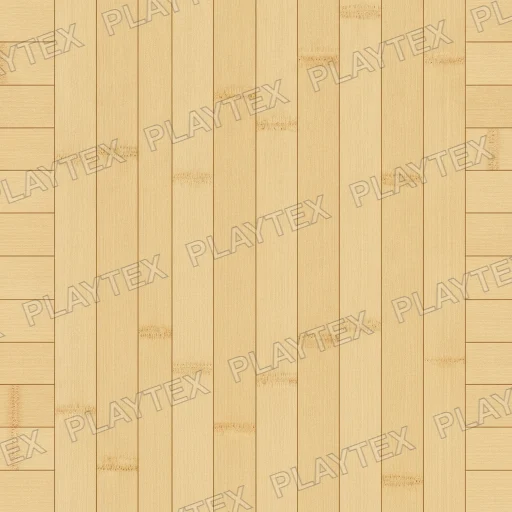
Bamboo Wood Grain Texture
Bamboo Wood Grain Texture shows light brown and tan across a wood surface with vertical grain and a natural appearance. Use it as a reference for meshes, props, terrain, or architectural materials, then verify repeat landmarks, physical scale, relief, and roughness under the lighting used by the final scene.
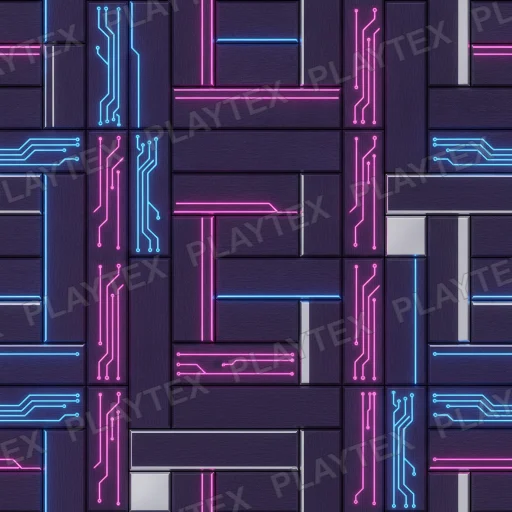
Wood Blue Magenta Texture
Wood Blue Magenta Texture shows blue, magenta, and dark gray across a wood surface with continuous surface variation and a sci fi appearance. Use it as a reference for meshes, props, terrain, or architectural materials, then verify repeat landmarks, physical scale, relief, and roughness under the lighting used by the final scene.
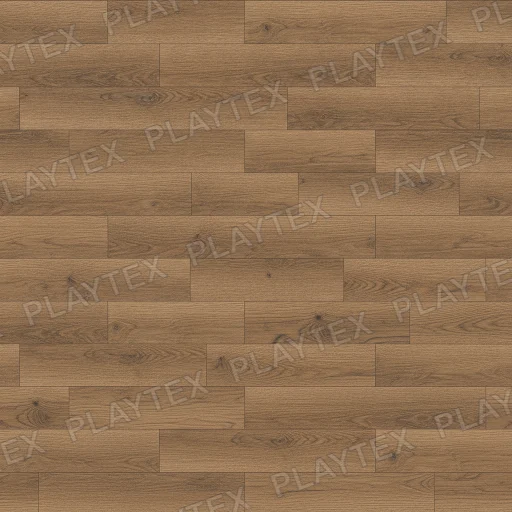
Wood Brown Natural Texture
Wood Brown Natural Texture shows brown, tan, and dark brown across a wood surface with a linear pattern and a naturalistic appearance. Use it as a reference for meshes, props, terrain, or architectural materials, then verify repeat landmarks, physical scale, relief, and roughness under the lighting used by the final scene.
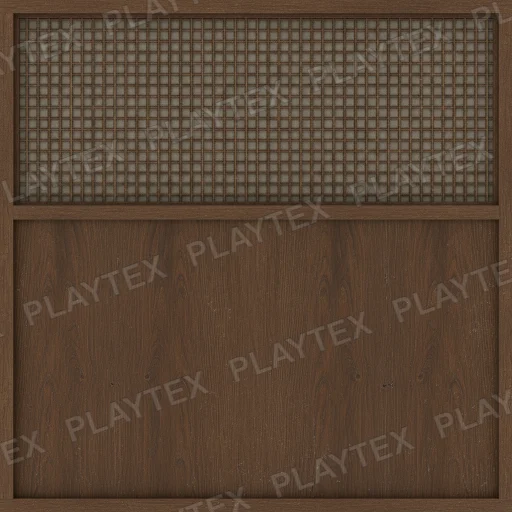
Japanese Wall Brown Texture
Japanese Wall Brown Texture shows brown, beige, and tan across a wood surface with a linear pattern and a naturalistic appearance. Use it as a reference for meshes, props, terrain, or architectural materials, then verify repeat landmarks, physical scale, relief, and roughness under the lighting used by the final scene.
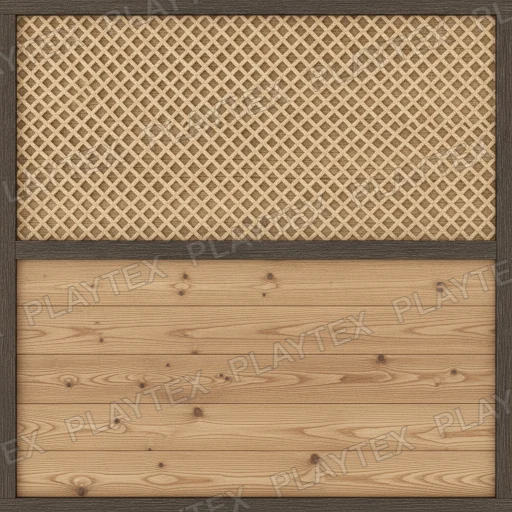
Japanese Wooden Wall Texture
Japanese Wooden Wall Texture shows brown and light brown across a wood surface with a linear pattern and a naturalistic appearance. Use it as a reference for meshes, props, terrain, or architectural materials, then verify repeat landmarks, physical scale, relief, and roughness under the lighting used by the final scene.
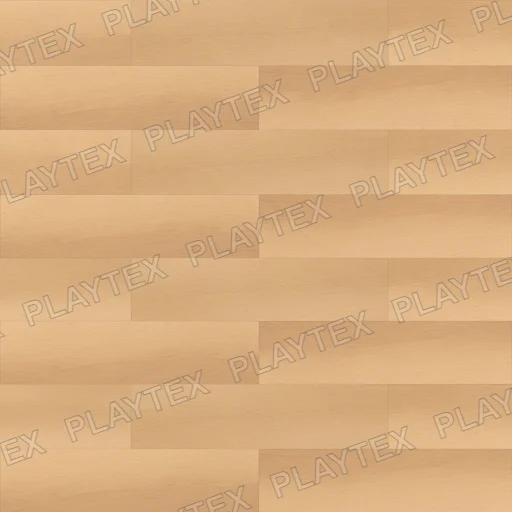
Bamboo Wood Grain Natural Texture
Bamboo Wood Grain Natural Texture shows light brown, tan, and beige across a wood surface with linear grain and a natural appearance. Use it as a reference for meshes, props, terrain, or architectural materials, then verify repeat landmarks, physical scale, relief, and roughness under the lighting used by the final scene.
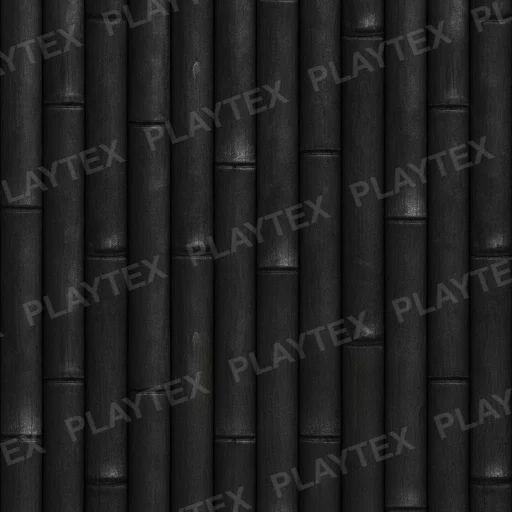
Charred Bamboo Wood Texture
Charred Bamboo Wood Texture shows dark brown, black, and gray across a wood surface with a linear pattern and a rustic appearance. Use it as a reference for meshes, props, terrain, or architectural materials, then verify repeat landmarks, physical scale, relief, and roughness under the lighting used by the final scene.
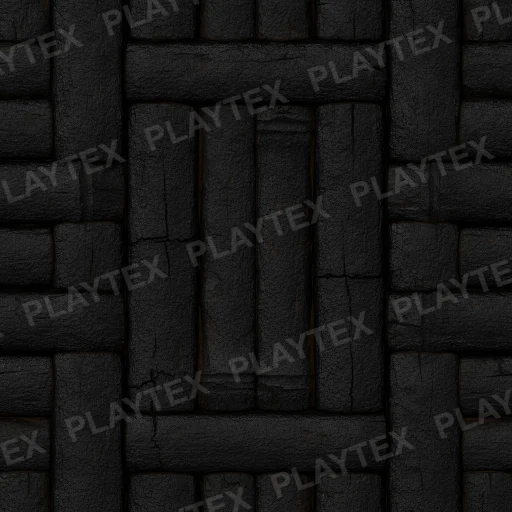
Dark Brown Charred Wood Bamboo Texture
Dark Brown Charred Wood Bamboo Texture shows dark brown, black, and gray across a wood surface with a linear pattern and a naturalistic appearance. Use it as a reference for meshes, props, terrain, or architectural materials, then verify repeat landmarks, physical scale, relief, and roughness under the lighting used by the final scene.
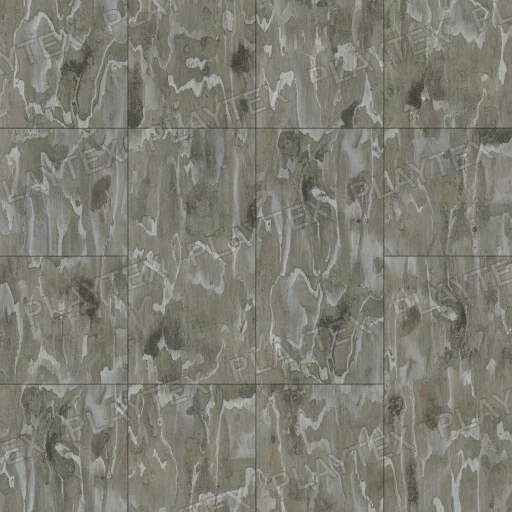
Gray Weathered Plank Wood Texture
Gray Weathered Plank Wood Texture shows gray, brown, and beige across a wood surface with a plank pattern and a naturalistic appearance. Use it as a reference for meshes, props, terrain, or architectural materials, then verify repeat landmarks, physical scale, relief, and roughness under the lighting used by the final scene.
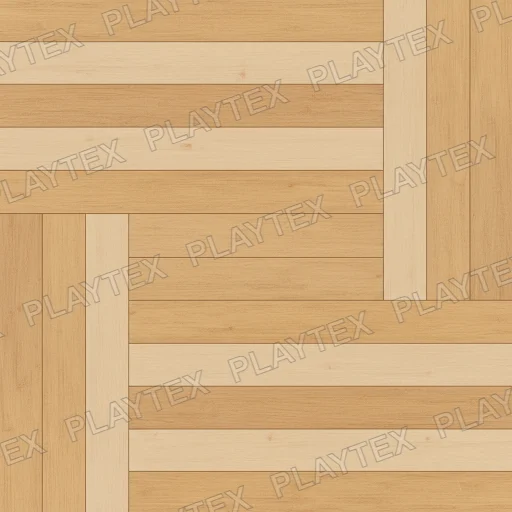
Bamboo Wood Light Brown Tan Texture
Bamboo Wood Light Brown Tan Texture shows light brown and tan across a wood surface with a linear pattern and a natural appearance. Use it as a reference for meshes, props, terrain, or architectural materials, then verify repeat landmarks, physical scale, relief, and roughness under the lighting used by the final scene.
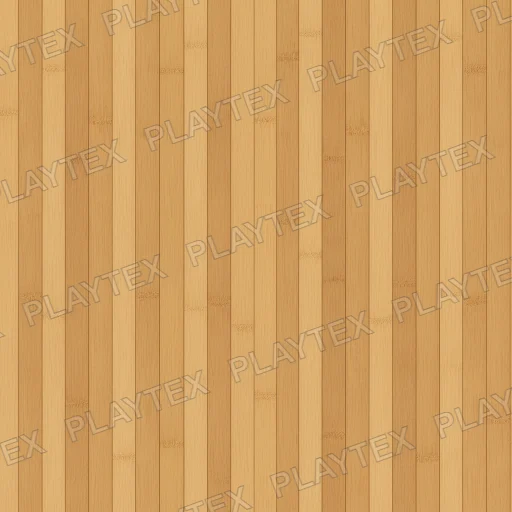
Bamboo Wood Light Brown Linear Texture
Bamboo Wood Light Brown Linear Texture shows light brown and tan across a wood surface with a linear pattern and a natural appearance. Use it as a reference for meshes, props, terrain, or architectural materials, then verify repeat landmarks, physical scale, relief, and roughness under the lighting used by the final scene.
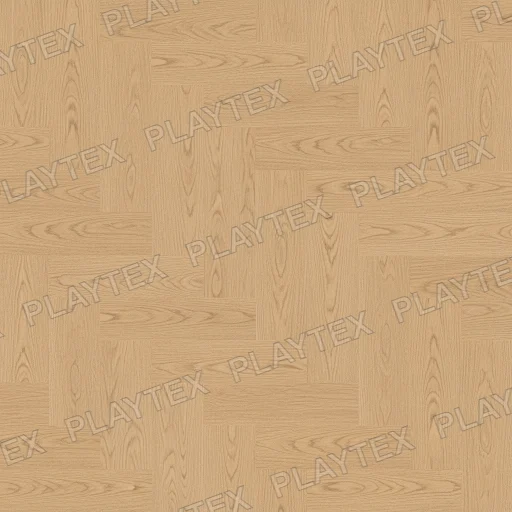
Wood Medium Brown Texture
Wood Medium Brown Texture shows medium brown and tan across a wood surface with a linear pattern and a natural appearance. Use it as a reference for meshes, props, terrain, or architectural materials, then verify repeat landmarks, physical scale, relief, and roughness under the lighting used by the final scene.
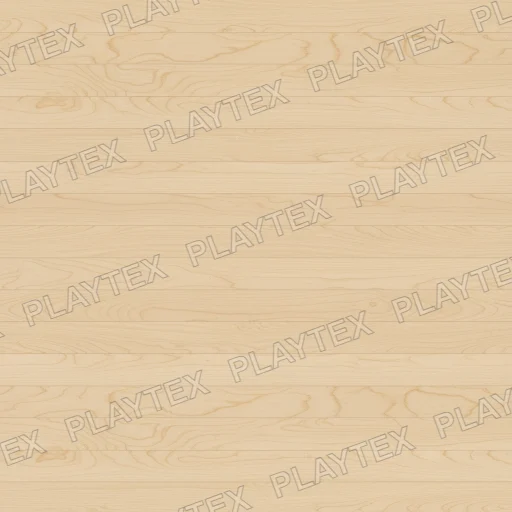
Wood Light Brown Tan Texture
Wood Light Brown Tan Texture shows light brown and tan across a wood surface with a linear pattern and a natural appearance. Use it as a reference for meshes, props, terrain, or architectural materials, then verify repeat landmarks, physical scale, relief, and roughness under the lighting used by the final scene.
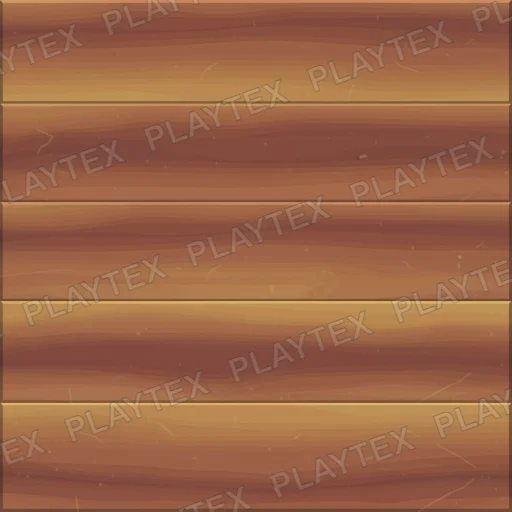
Wood Brown Horizontal Texture
Wood Brown Horizontal Texture shows brown and tan across a wood surface with a plank pattern and a naturalistic appearance. Use it as a reference for meshes, props, terrain, or architectural materials, then verify repeat landmarks, physical scale, relief, and roughness under the lighting used by the final scene.
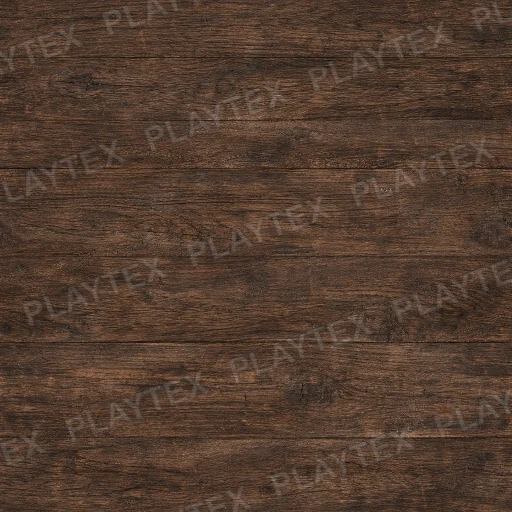
Brown Abstract Grain Wood Texture
Brown Abstract Grain Wood Texture shows brown and dark brown across a wood surface with grain and a natural appearance. Use it as a reference for meshes, props, terrain, or architectural materials, then verify repeat landmarks, physical scale, relief, and roughness under the lighting used by the final scene.
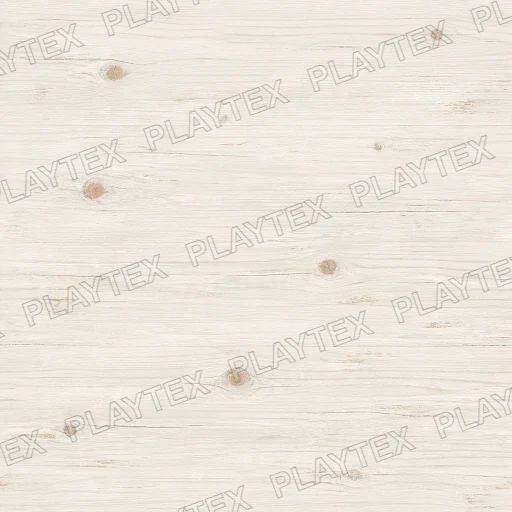
Wood Light Brown Linear Grain Texture
Wood Light Brown Linear Grain Texture shows light brown and tan across a wood surface with linear grain and a natural appearance. Use it as a reference for meshes, props, terrain, or architectural materials, then verify repeat landmarks, physical scale, relief, and roughness under the lighting used by the final scene.
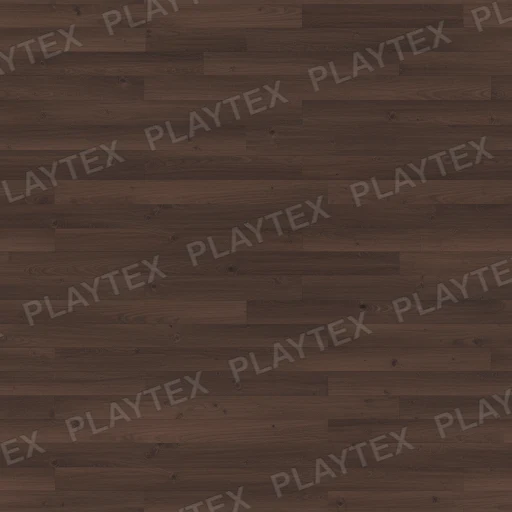
Light Gray Smooth Concrete Texture
Light Gray Smooth Concrete Texture shows light gray and beige across a concrete surface with a smooth finish and a minimal appearance. Use it as a reference for meshes, props, terrain, or architectural materials, then verify repeat landmarks, physical scale, relief, and roughness under the lighting used by the final scene.
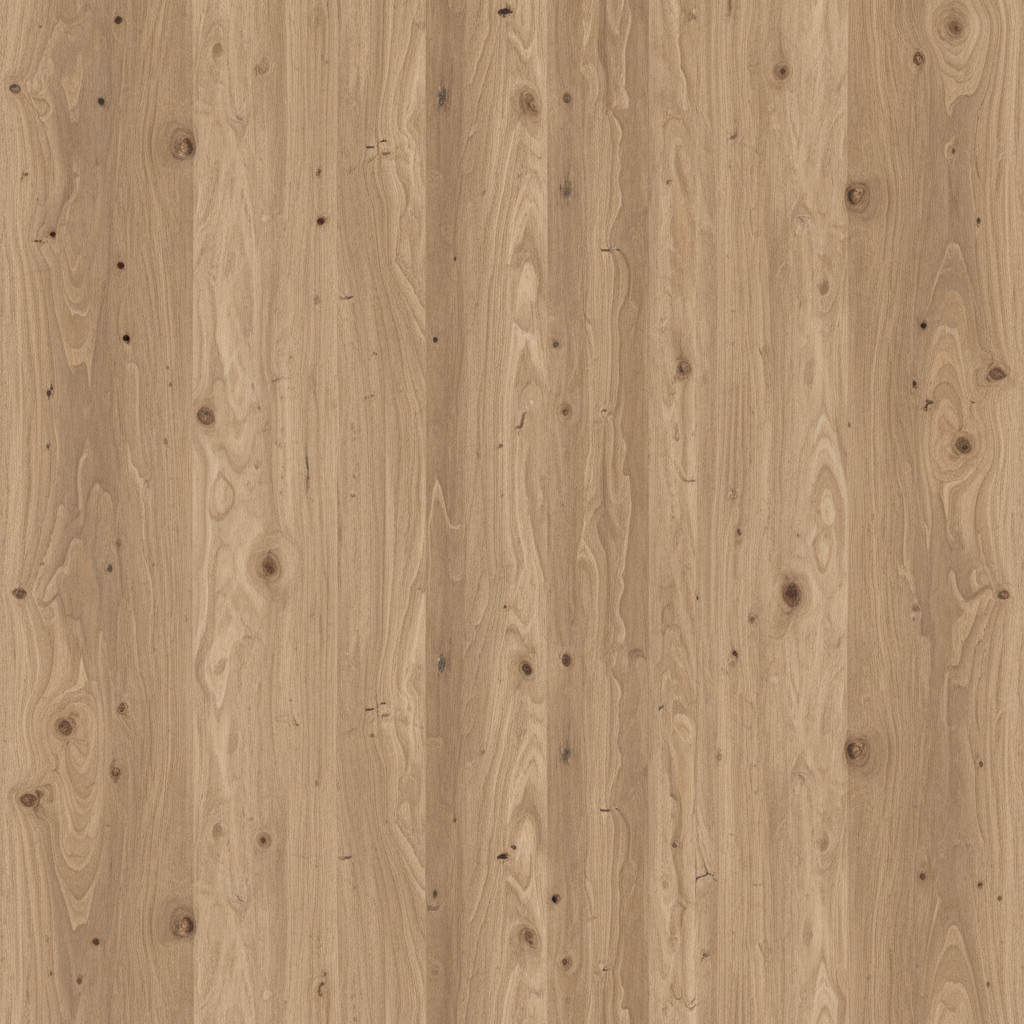
Wood Brown Linear Grain Texture
Wood Brown Linear Grain Texture shows brown and tan across a wood surface with linear grain and a natural grain appearance. Use it as a reference for meshes, props, terrain, or architectural materials, then verify repeat landmarks, physical scale, relief, and roughness under the lighting used by the final scene.