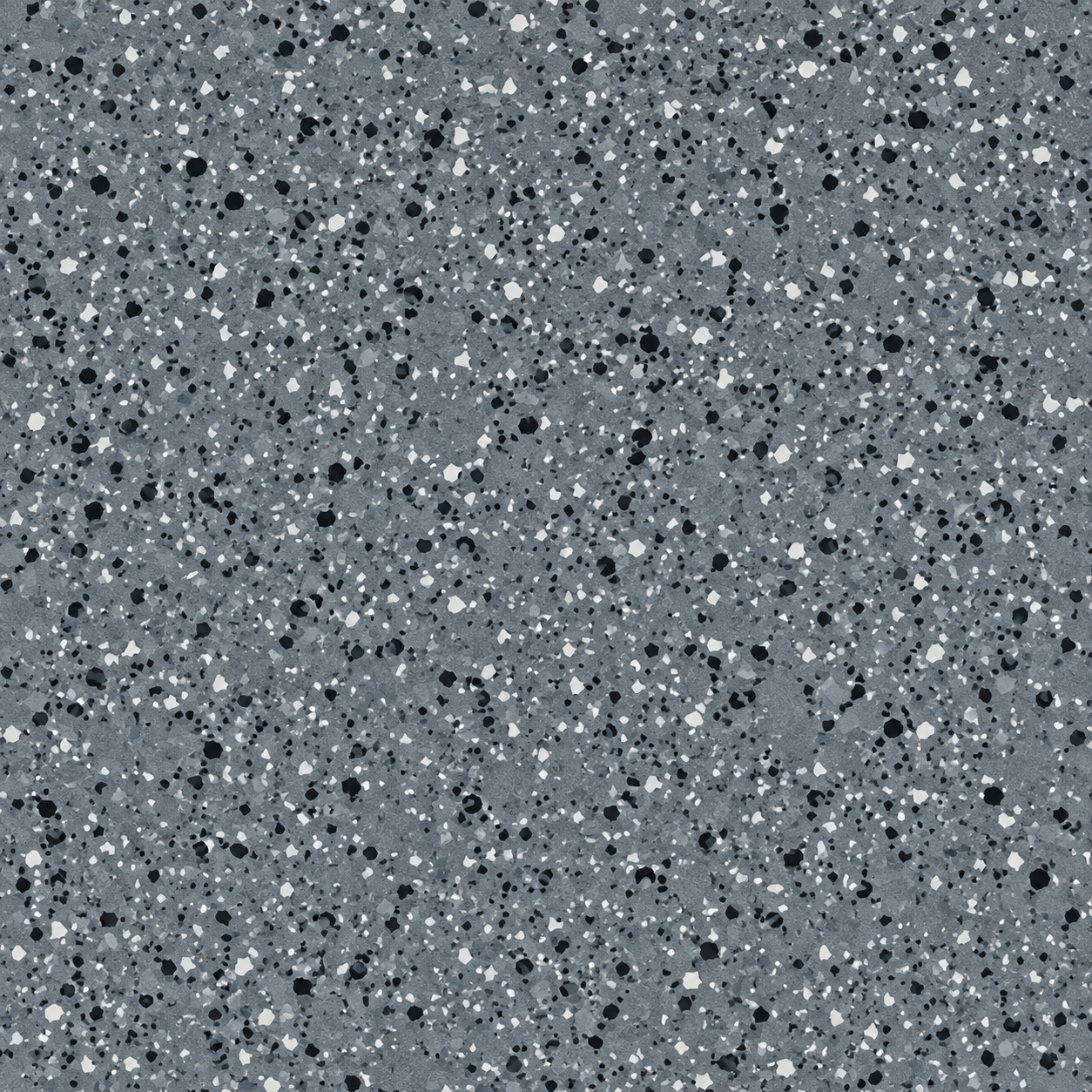
Cool Gray Terrazzo with Dense Black and White Chips Texture
A cool gray cement matrix is densely speckled with irregular charcoal, black, and white aggregate chips in a fine terrazzo pattern. Use it for floor or counter surfaces; check the small chip scale against the intended surface dimensions.
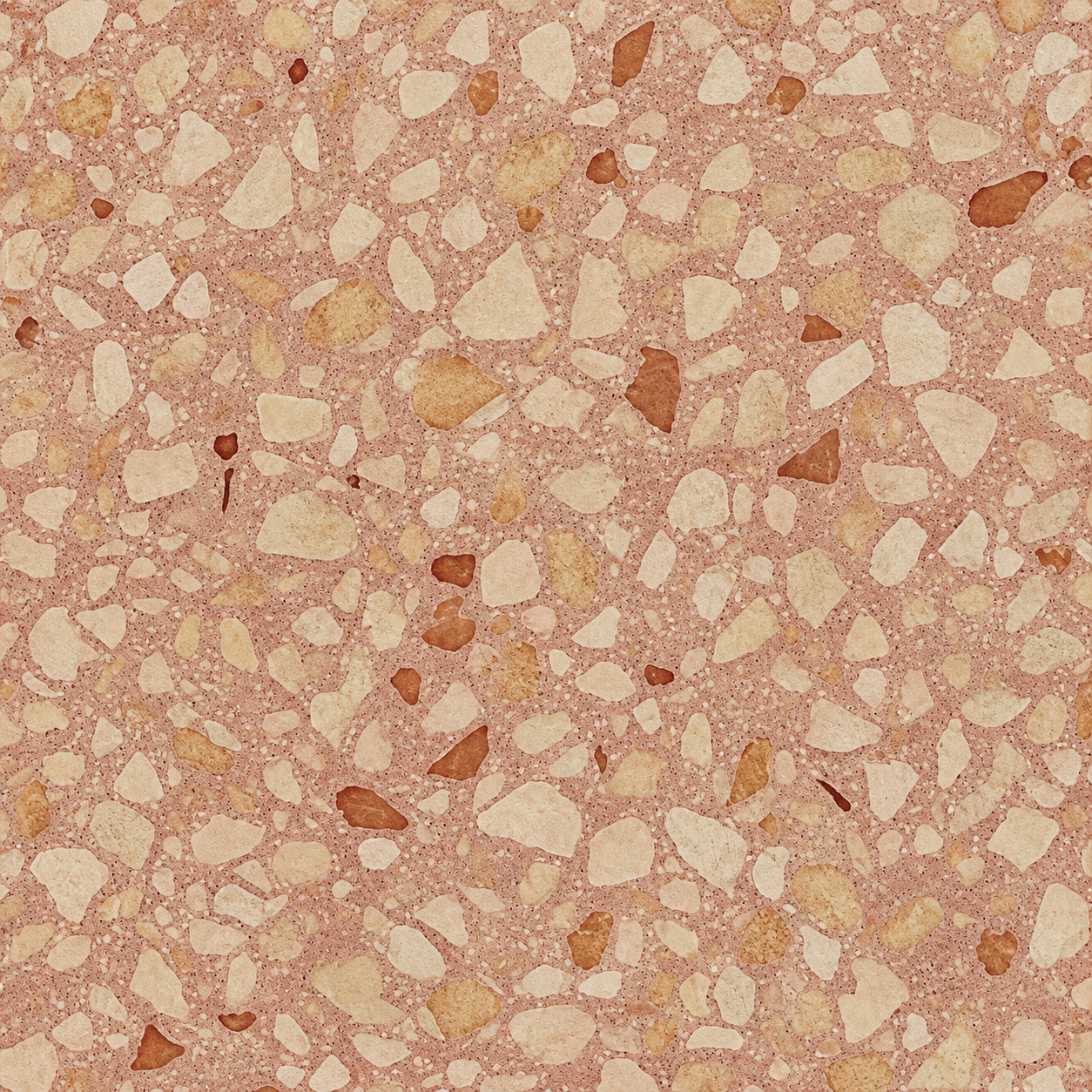
Blush-Tan Matte Terrazzo Chip-Aggregate Texture
Blush and tan chips are scattered through a pale matrix in a dense terrazzo-like aggregate. Use it for terrazzo or composite-surface studies; the exact binder and edge continuity are not established by this preview.
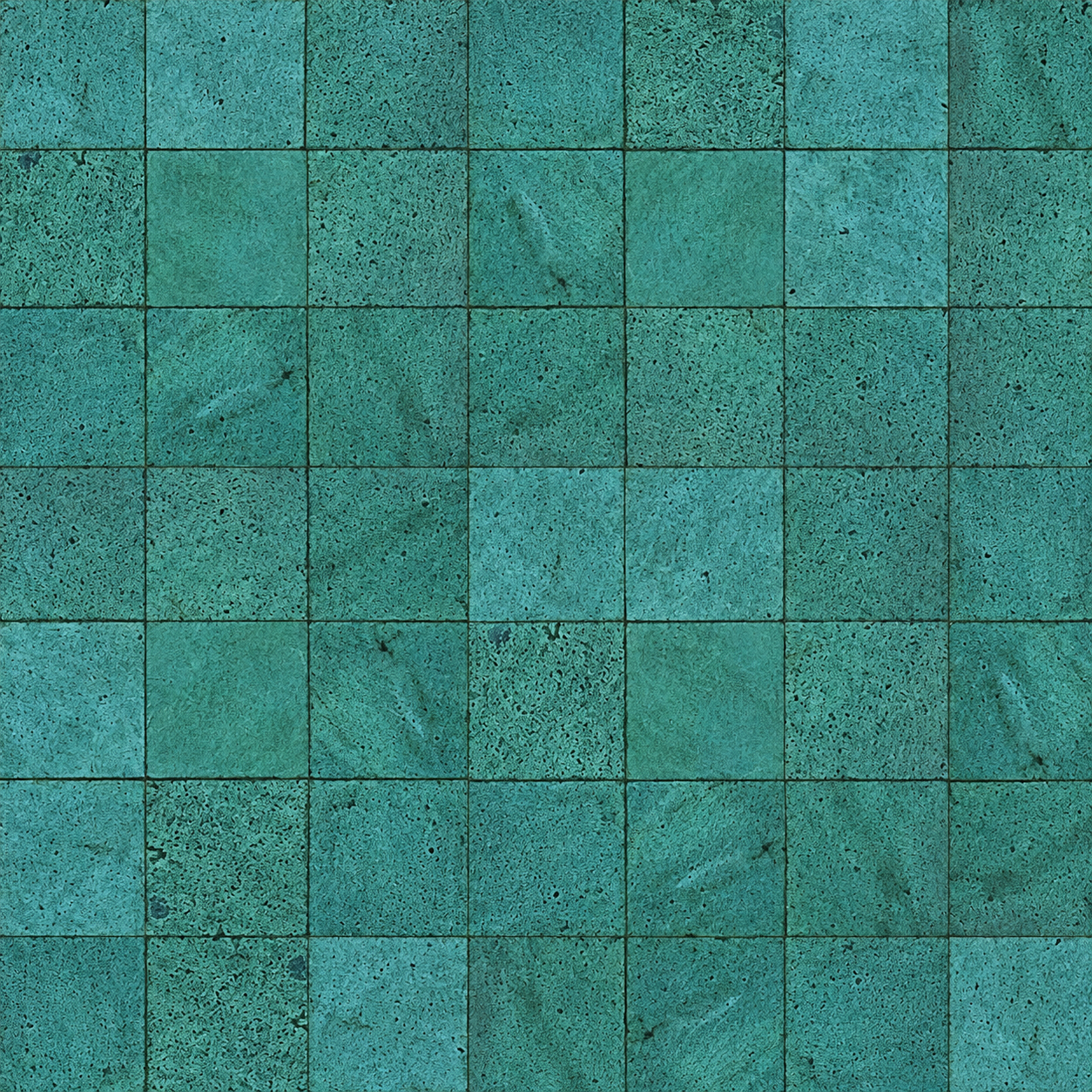
Mottled Teal Square Cement Tile Texture
Square blue-green cement tiles form a dark-grouted grid with mottled pores and pale scuffs. Use it for tiled floor or wall blocking; confirm the intended scale and edge joins from the full-resolution source before repeating.
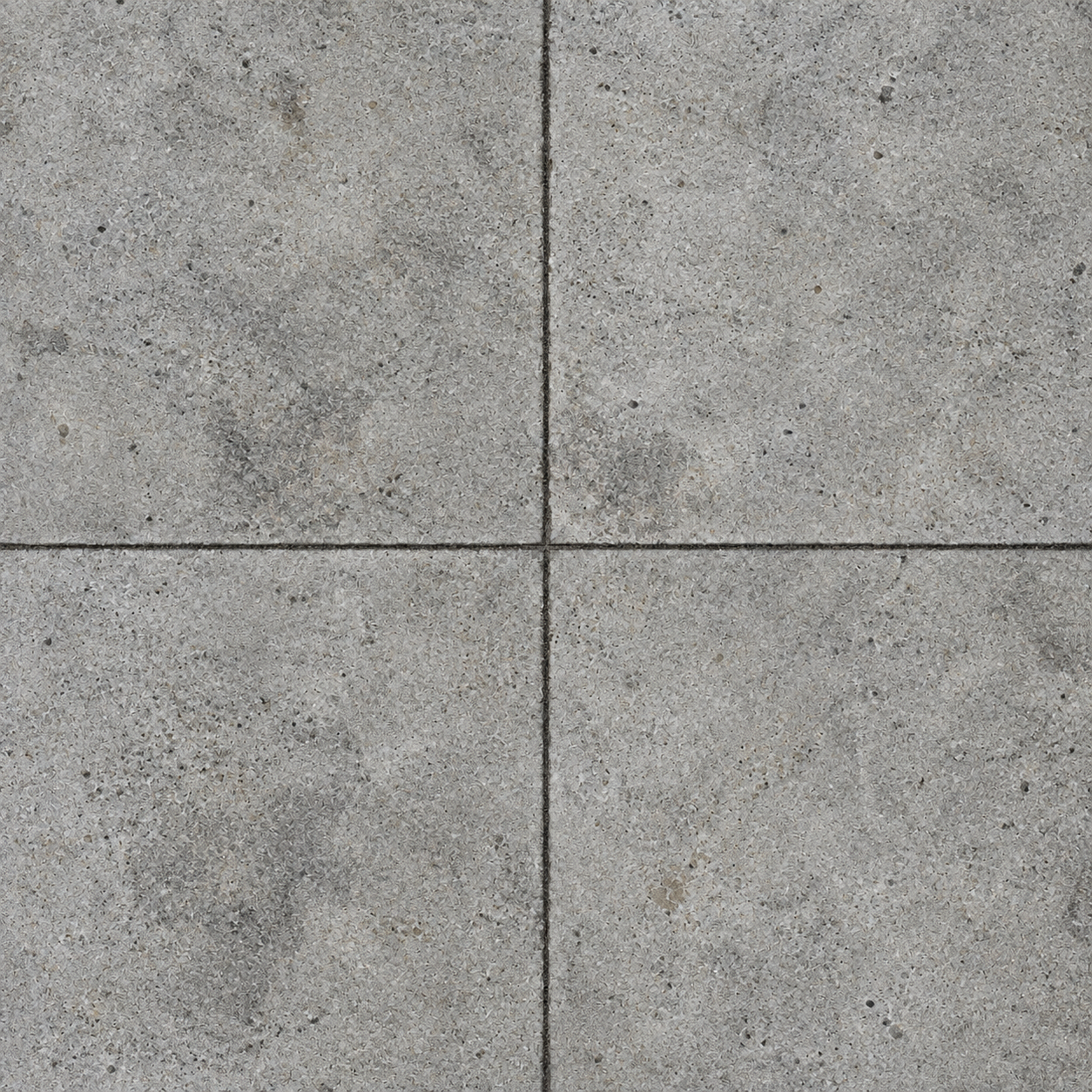
Light Gray Speckled Concrete Slab Grid Texture
Pale gray, fine-speckled concrete-like slabs are divided into four large squares by narrow dark grout lines. Use it for tiled floors, walls, or paving; inspect the central cross joint and outer-edge alignment before repeating the slab pattern.
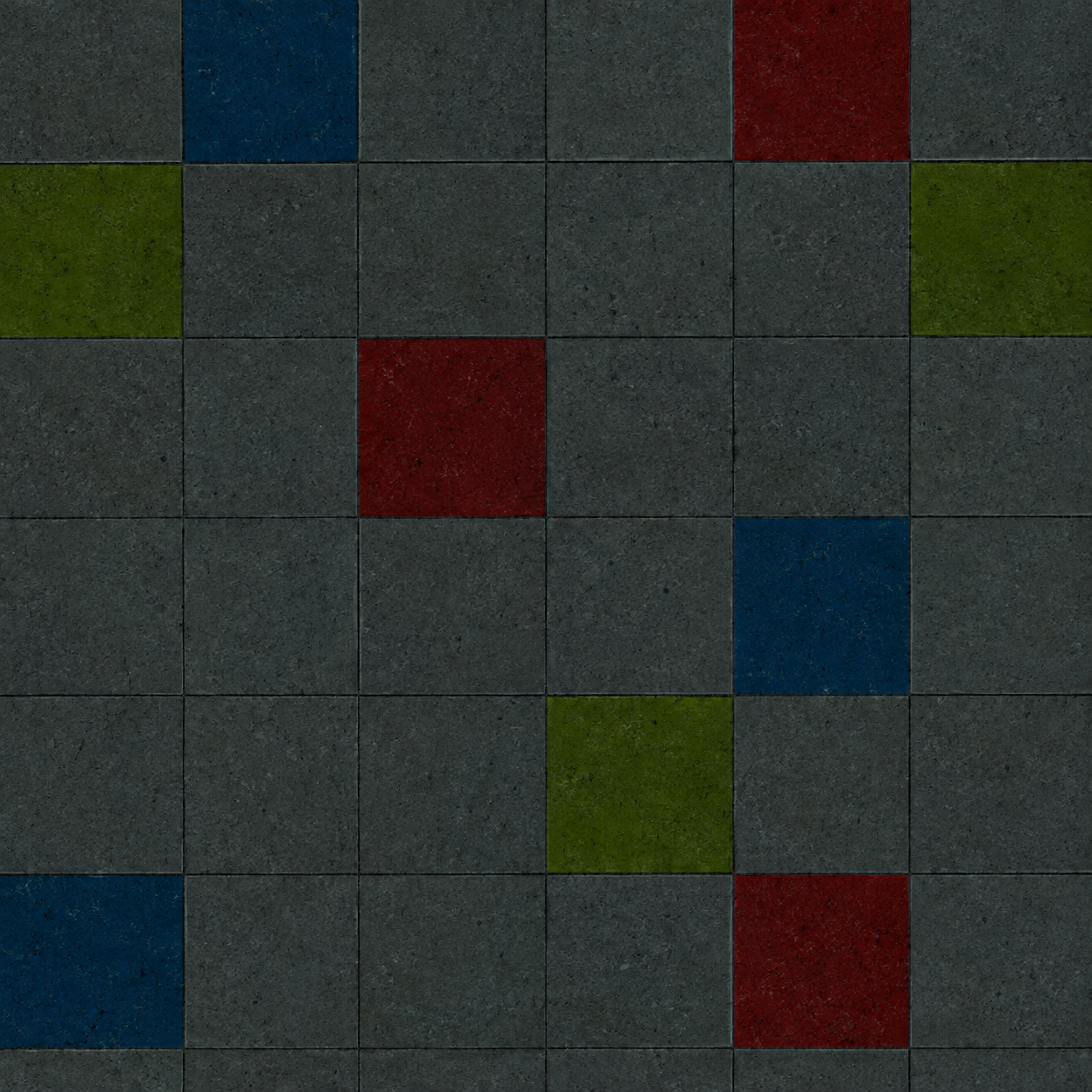
Charcoal Concrete Grid with Red, Blue, and Olive Accents Texture
Charcoal-gray square pavers form a regular concrete grid, punctuated by scattered red, deep-blue, and olive-green blocks. Use it for stylized courtyard paving or interior floors; inspect the dark joints and repeat joins before scaling it across a broad surface.

Concrete Material Texture
Concrete Material Texture is a seamless, tileable material generated from a text-guided material description with the PLAYTEX AI Texture Generator. It is ready for repeated 3D surface previews and as a base texture for PBR map generation.
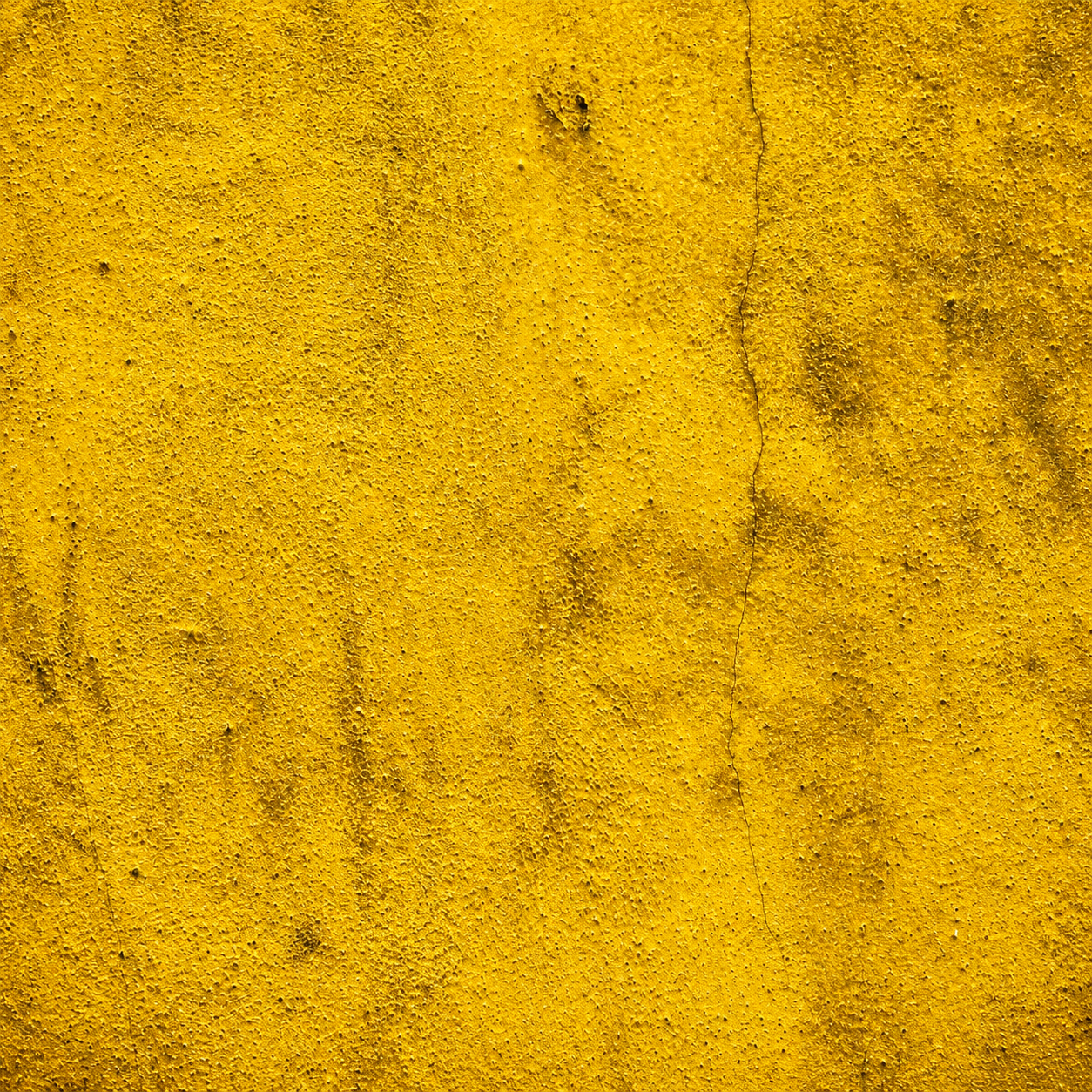
Ochre Stucco with Dark Speckling and a Fine Crack Texture
A mustard-ochre stucco field has fine granular pits, soft darker mottling, and a narrow vertical hairline crack with no distinct block pattern. Use it for aged exterior walls or plastered props; compare the crack and mottling scale against the target mesh and test edge repetition before tiling.
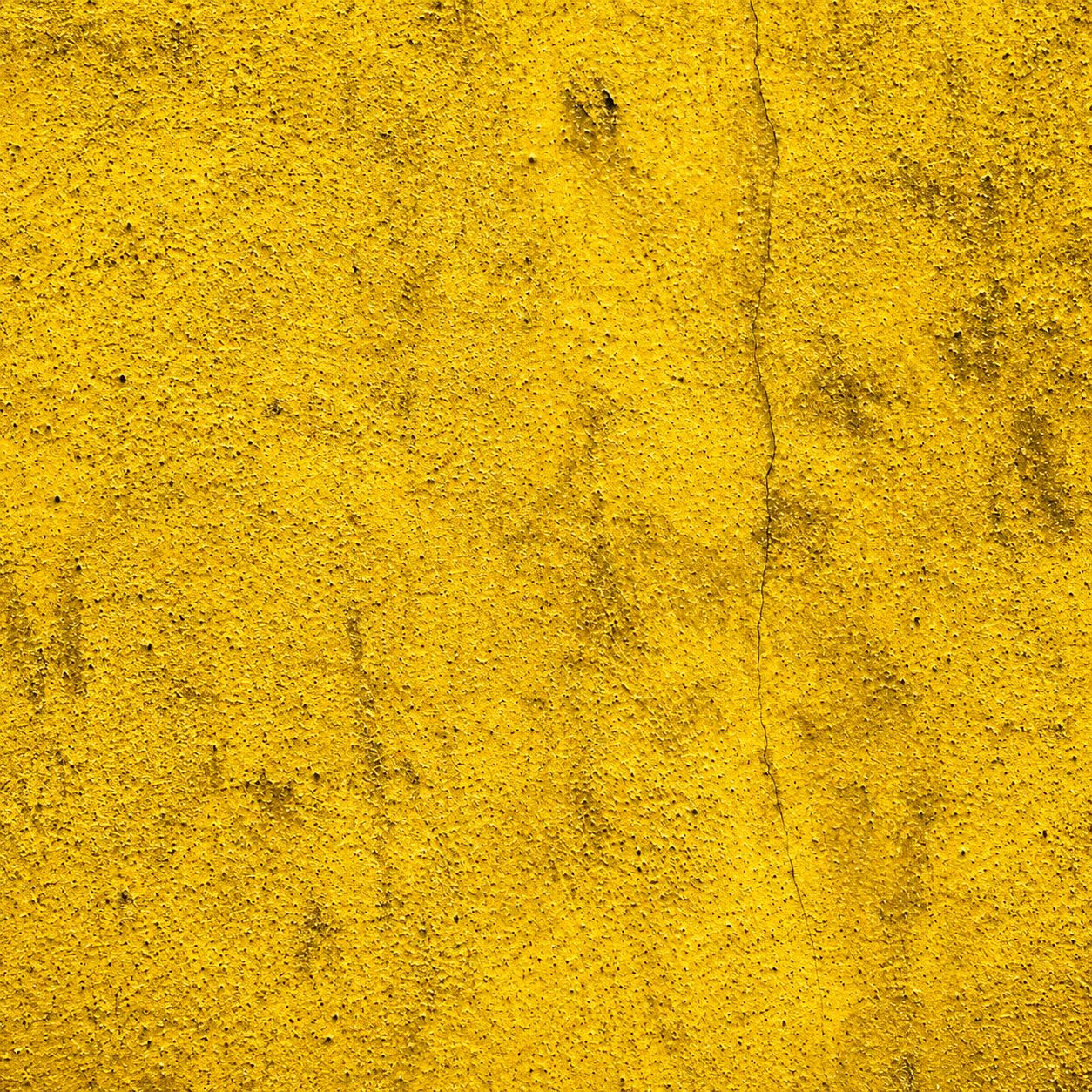
Golden Yellow Pitted Plaster with a Long Hairline Crack Texture
The surface is saturated golden-yellow plaster with fine pitting, scattered dark flecks, uneven weathering, and one prominent thin vertical crack. Use it for sun-baked walls, masonry props, or worn plaster accents; inspect the crack direction, surface scale, and repeat edges before applying it across a broad surface.
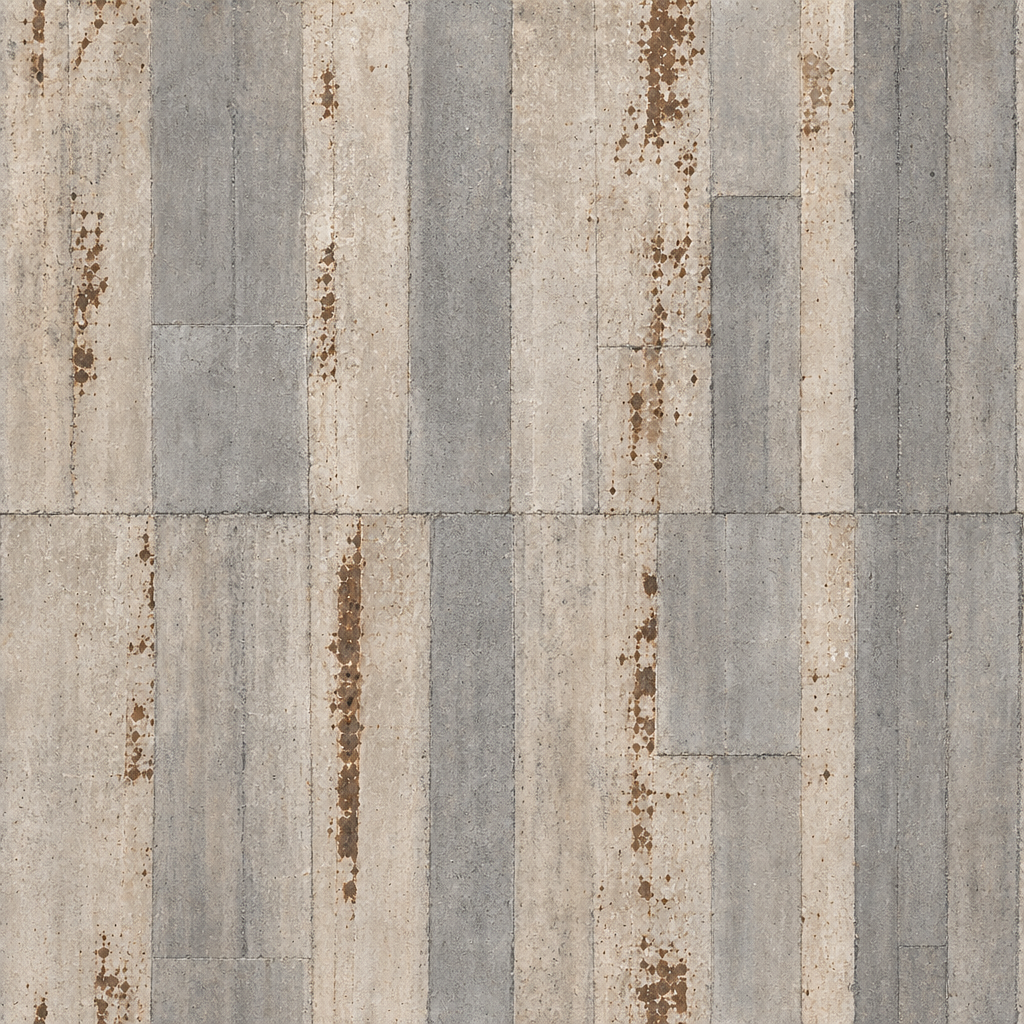
Aged Gray Cement Panels with Tan Flaking Texture
Aged gray-beige cement-like panels form broad rectangular sections with dark seams, scattered tan peeling marks and uneven discoloration. Use it for worn interior or industrial wall surfaces; check whether the panel grid and chipped marks repeat too obviously at the model scale.
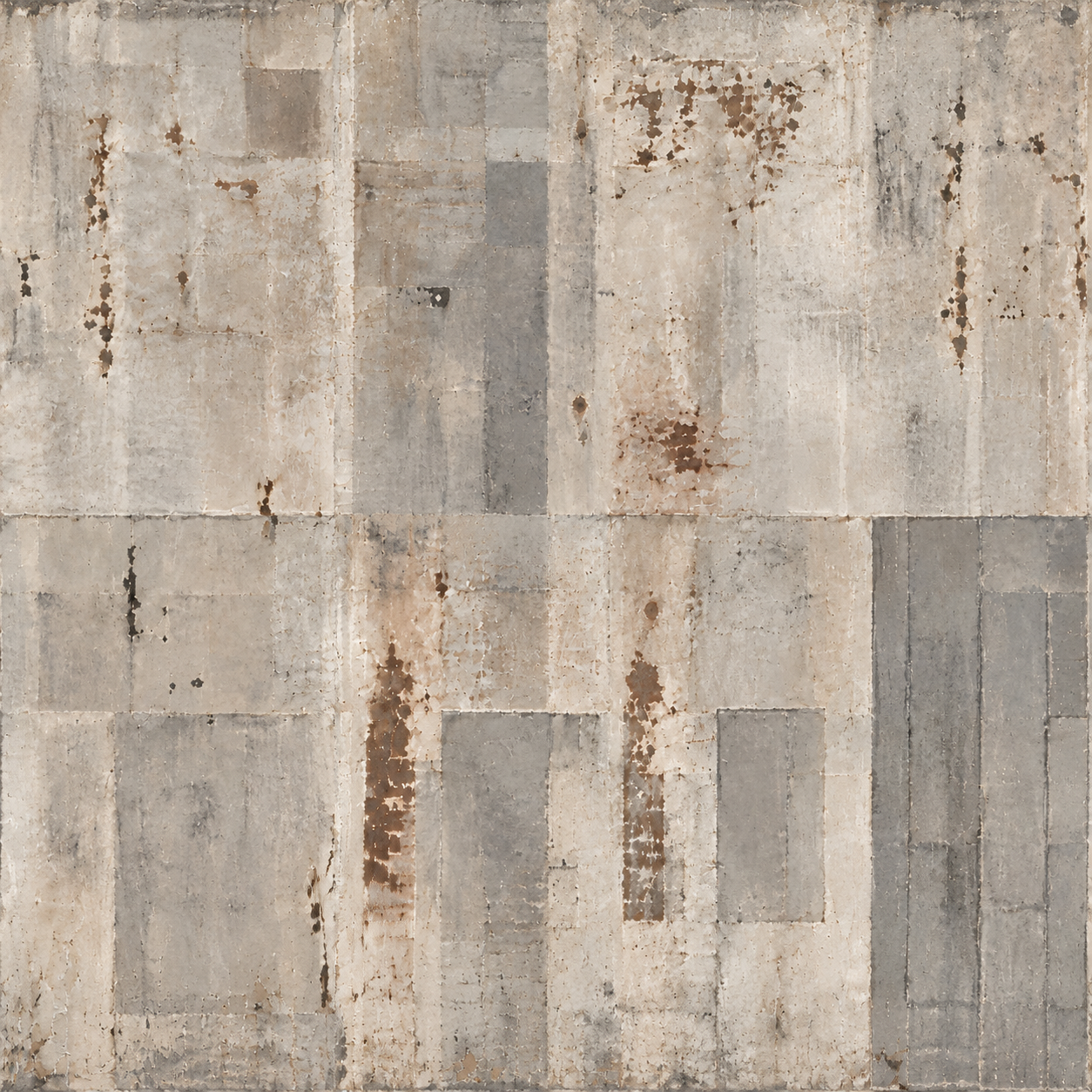
Beige and Gray Weathered Concrete Panel Texture
Vertical beige and gray panel-like blocks carry patchy brown staining, chipped areas and worn edges, forming an aged concrete-like wall surface. It suits weathered building walls or set dressing; inspect the panel scale and visible joins before extending the same breakup across a facade.
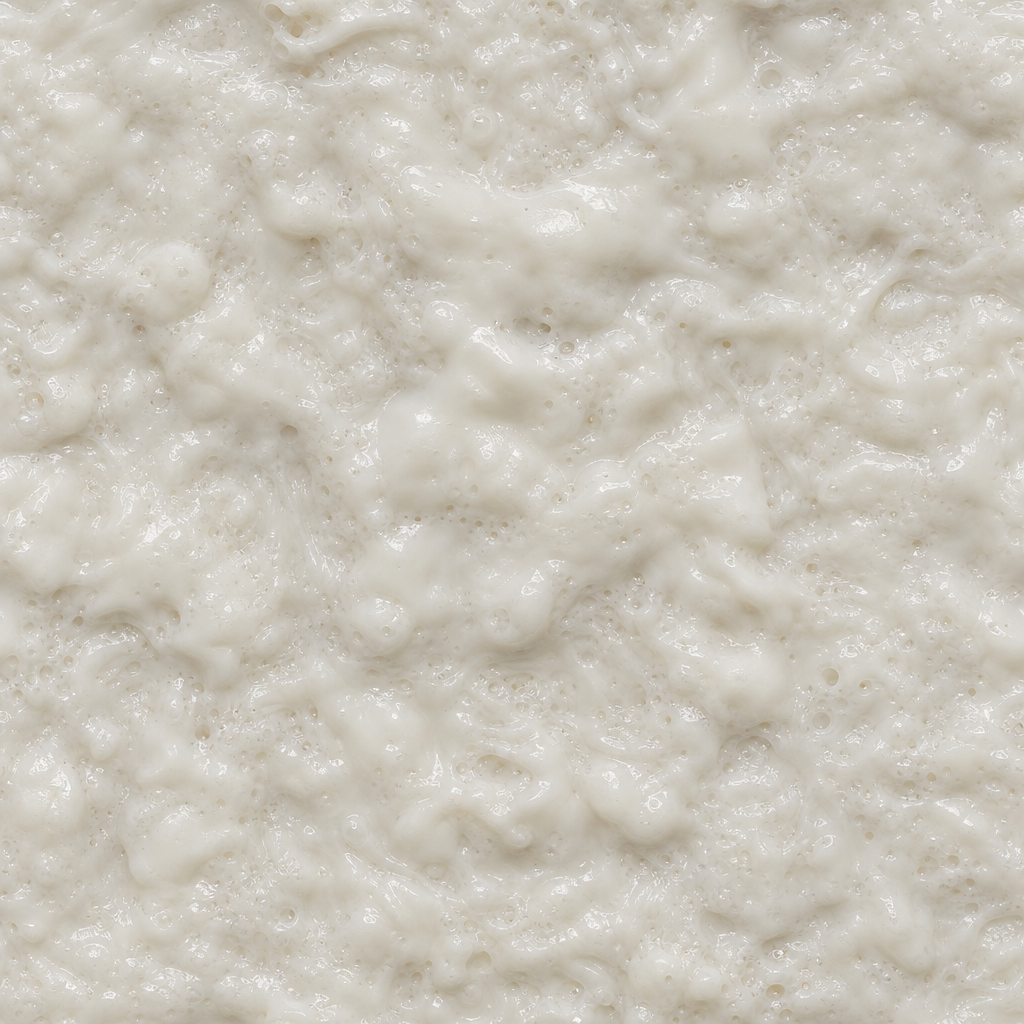
Warm Ivory Fine-Pored Plaster Texture
A warm ivory surface is densely covered in small shallow pits and soft irregular pores, with a chalky matte appearance and faint beige speckling. Use it for plaster-like walls or pale mineral props; verify the pit scale in close views because the fine relief is subtle at a distance.
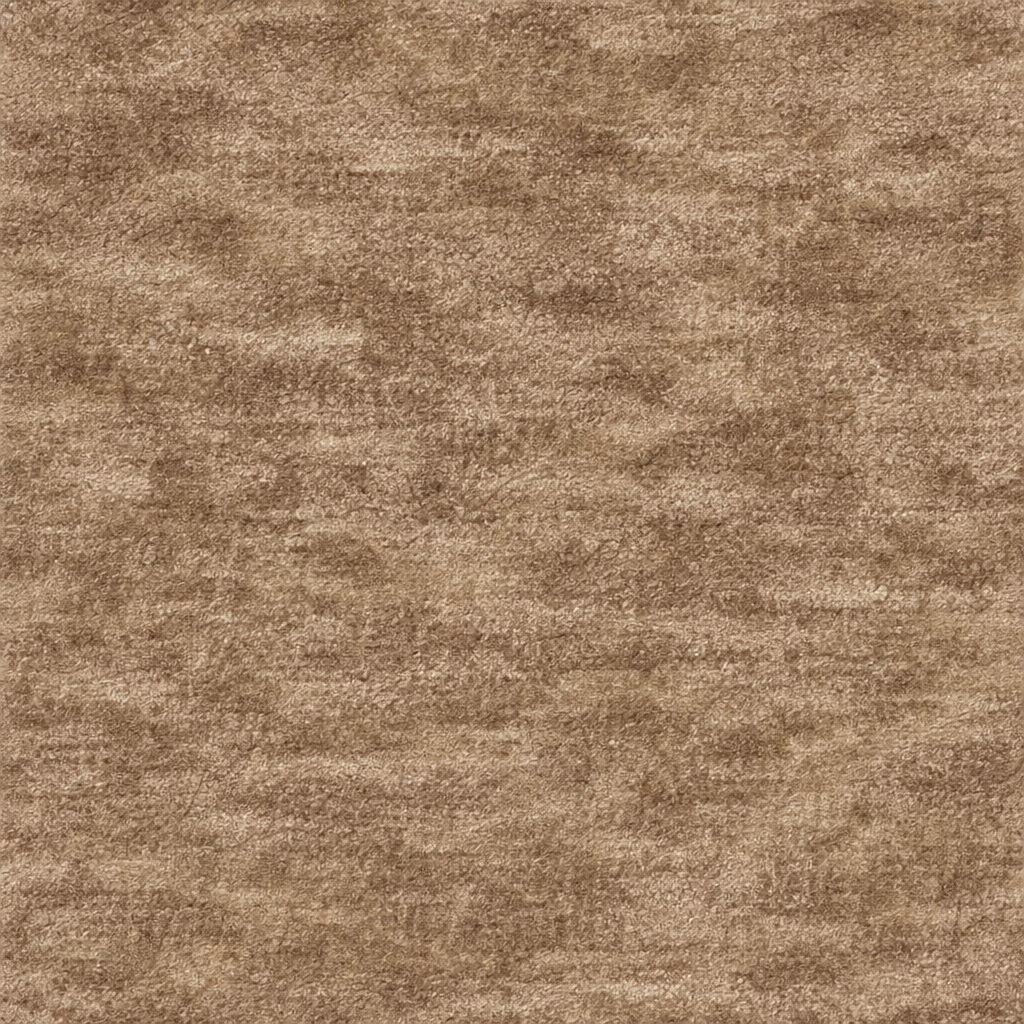
Gray Peeling Stucco over Exposed Brick Texture
Pale gray stucco-like coating peels away in cracked flakes, leaving broad red-brown brick courses exposed across the middle and upper edge with small pits and dark marks. For PLAYTEX AI 3D workflows, use it as a distressed exterior-wall material reference; confirm scale and UV seams in context because the image does not show a full building elevation.
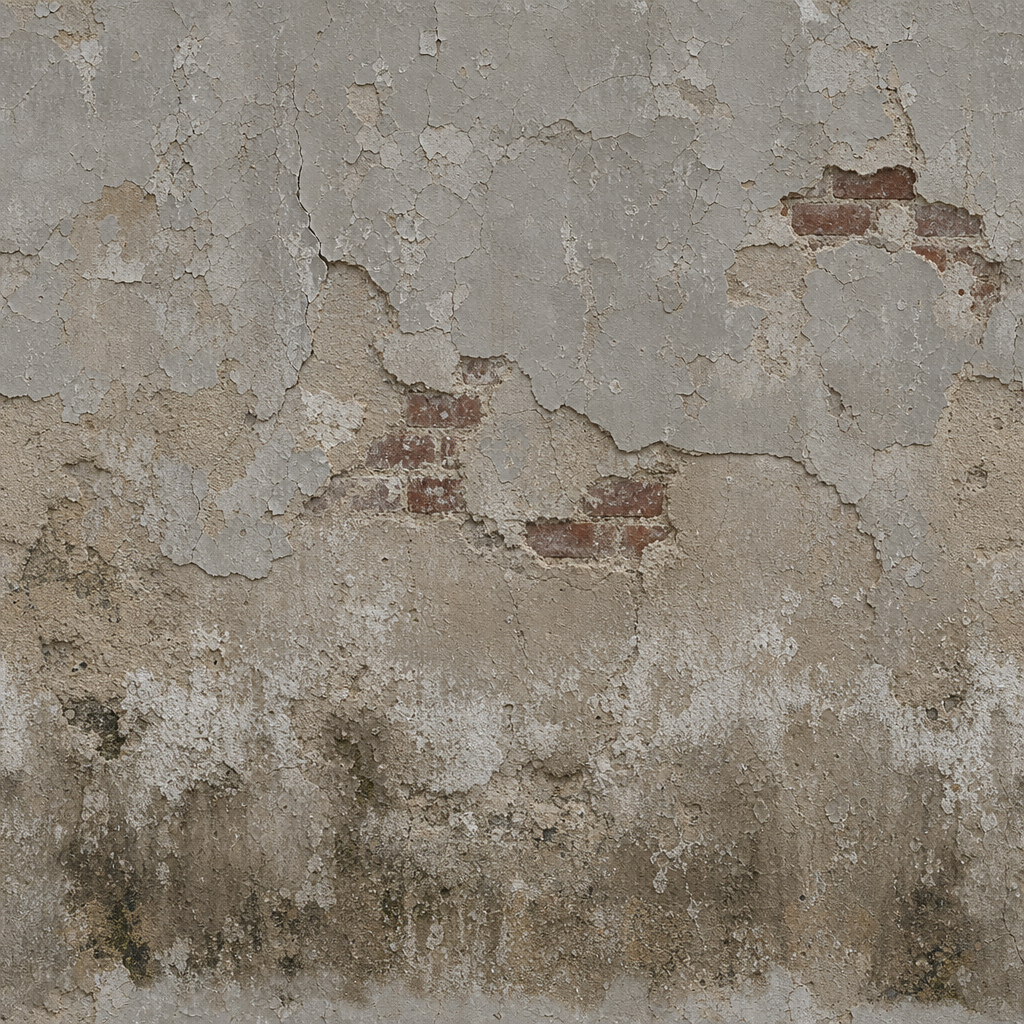
Ash Gray Stippled Plaster with Brick Patches Texture
Muted ash-gray plaster separates into small irregular flakes, with elongated red-brown brick patches visible across the upper-middle area and darker mottled stains below. For PLAYTEX AI 3D workflows, use it as a weathered wall material preview; edge comparisons look relatively continuous, but verify the actual tiling and scale in the target renderer.
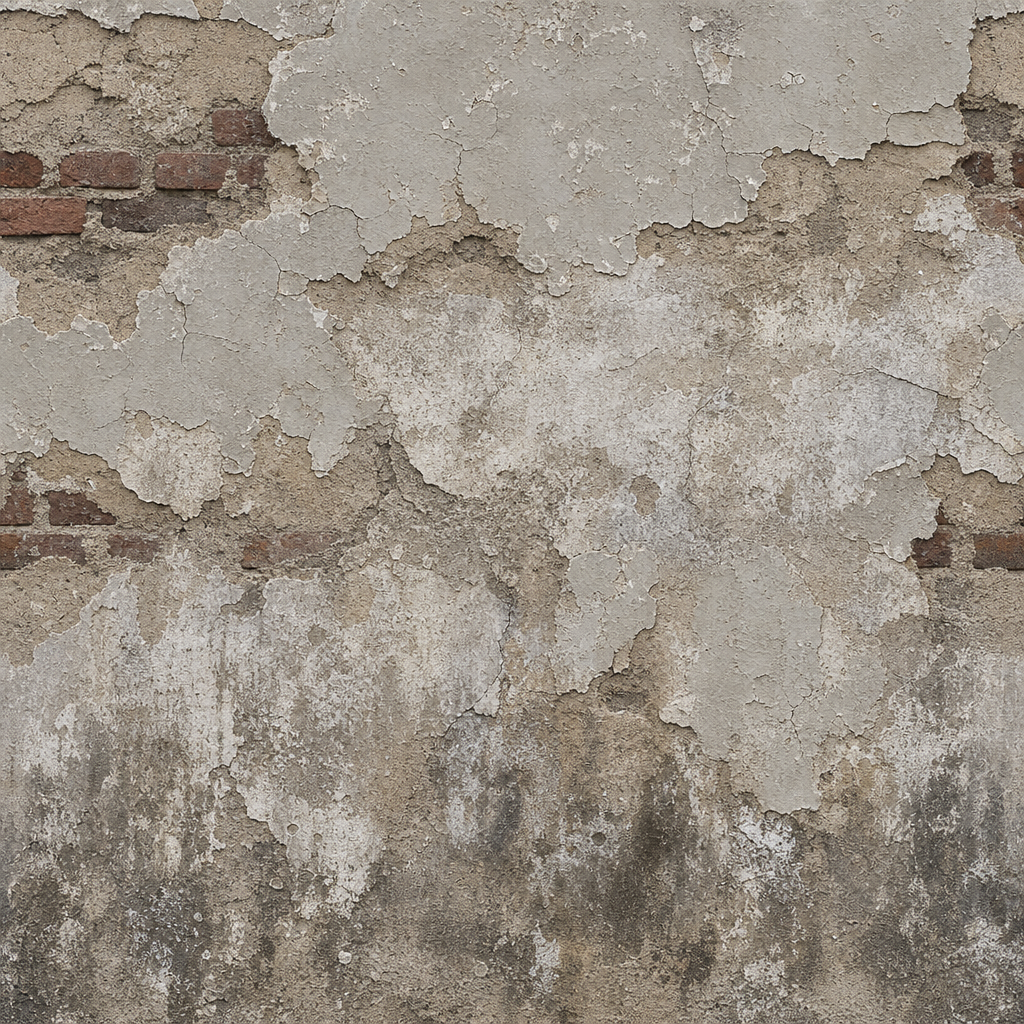
Cool Gray Cracked Plaster with Red-Brown Brick Texture
Cool light-gray paint and plaster crack into overlapping scales, exposing a speckled beige substrate and small red-brown brick sections through the middle. For PLAYTEX AI 3D workflows, use it for a worn masonry-wall study; the close-up supports color and surface description but does not establish physical dimensions or map-channel quality.
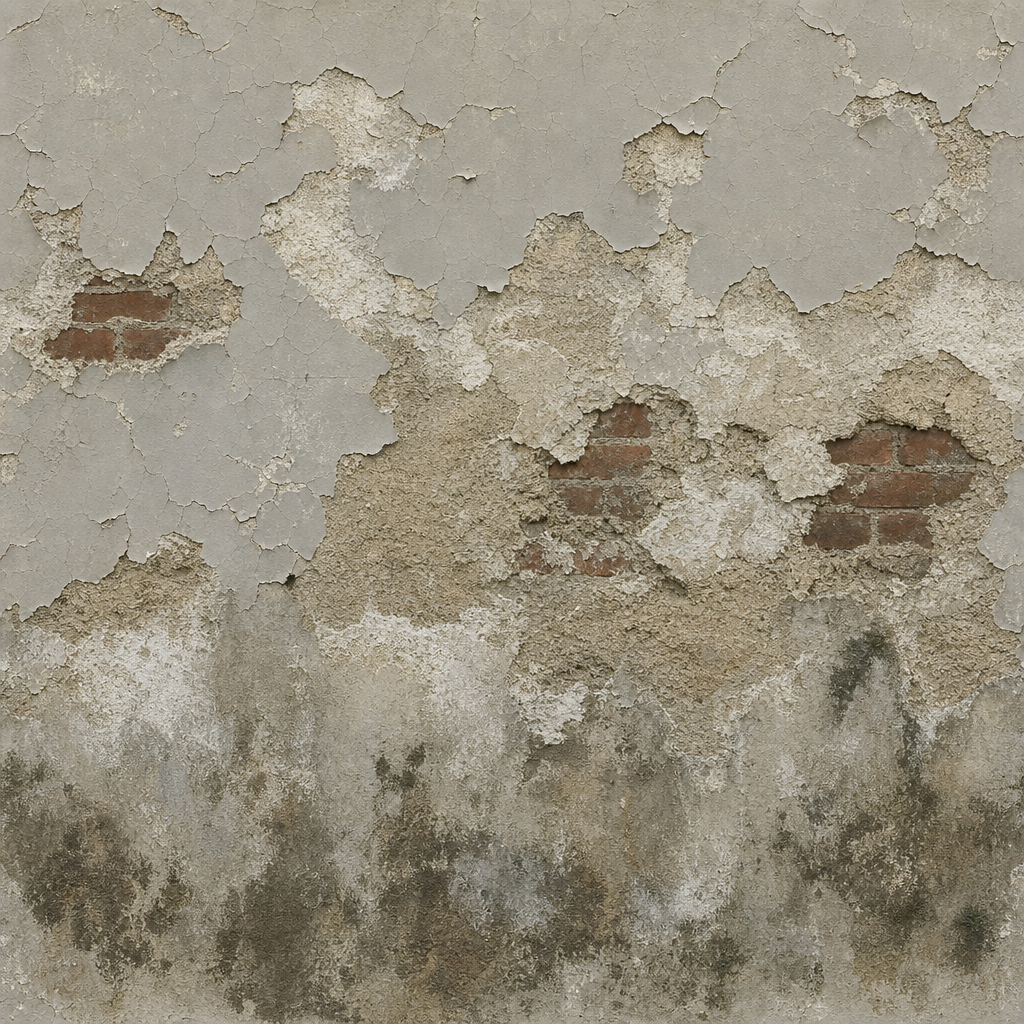
Gray Limewash with Exposed Brick Bands Texture
Thin gray plaster flakes expose several horizontal red-brown brick bands across a sandy underlayer, with fine cracks and chipped, irregular edges throughout. For PLAYTEX AI 3D workflows, use it as a distressed brick-and-plaster wall reference; inspect the apparent brick scale and join placement before applying it to a facade-sized surface.
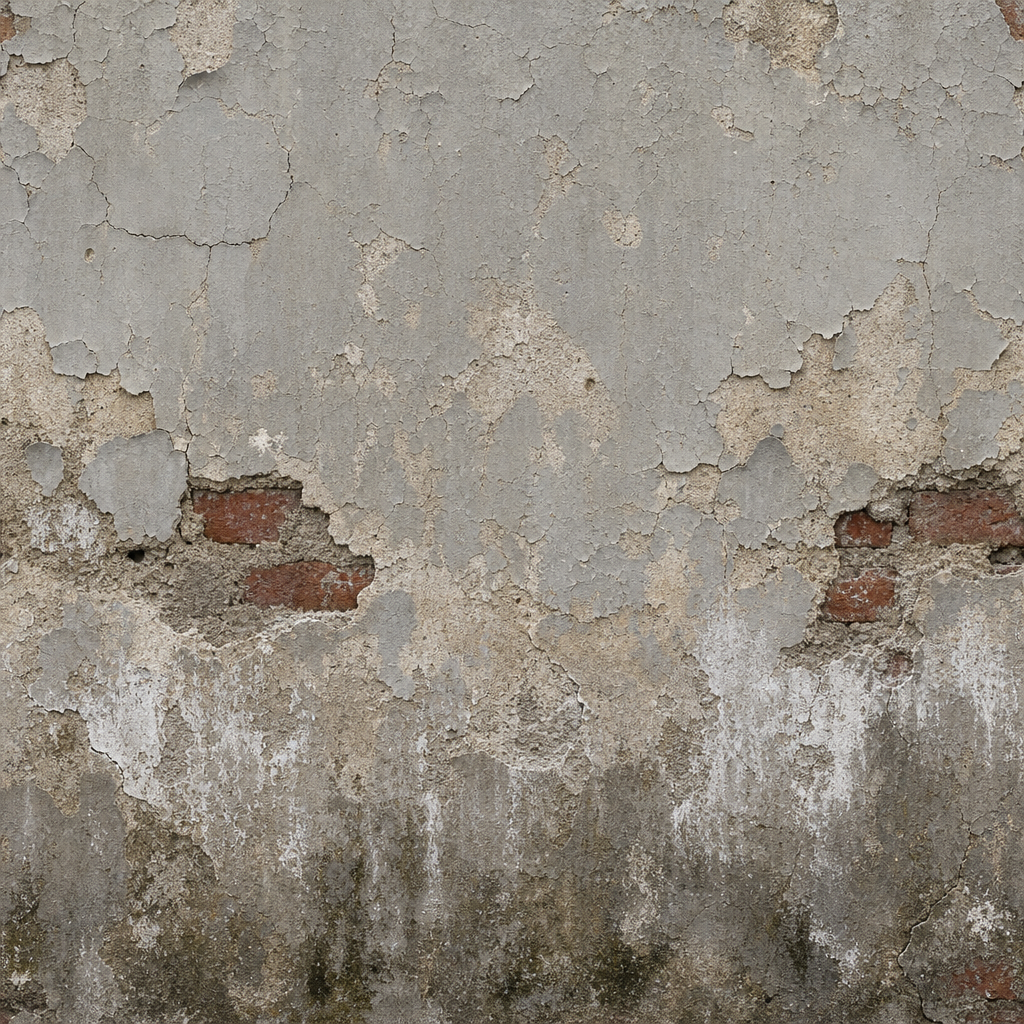
Warm Gray Chipped Plaster with Brick Fragments Texture
A warm light-gray coating breaks into broad uneven plates over granular beige mortar, with intermittent red-brown brick fragments and darker weathering near the bottom. For PLAYTEX AI 3D workflows, use it for an aged plaster wall or masonry insert; check the crack scale and seam behavior before repeating it across a large surface.
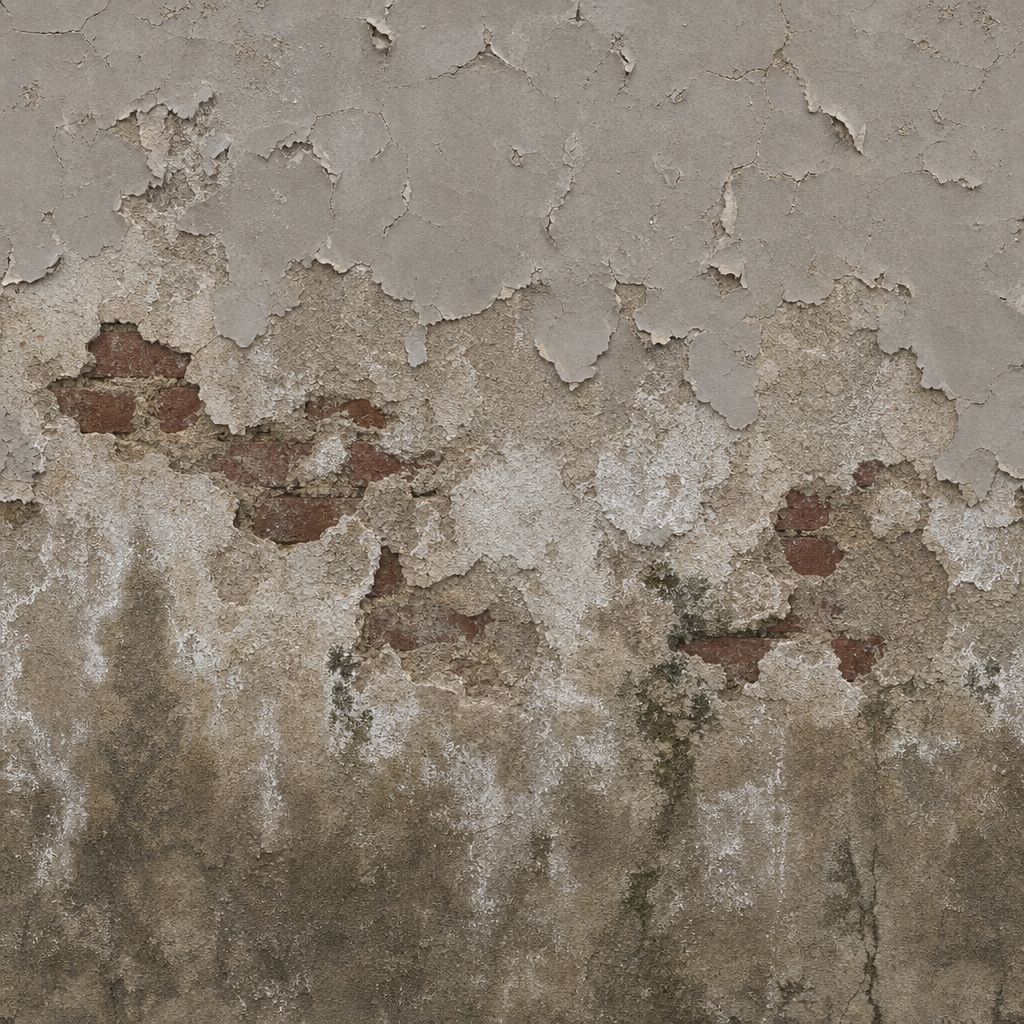
Pale Gray Flaking Plaster over Brick Texture
Light gray plaster-like coating fractures into irregular flakes, revealing reddish-brown brick patches beneath and darker mottled wear toward the lower edge. For PLAYTEX AI 3D workflows, use it as a weathered masonry-wall material reference; inspect the crack scale and available map channels before setting displacement or repetition.
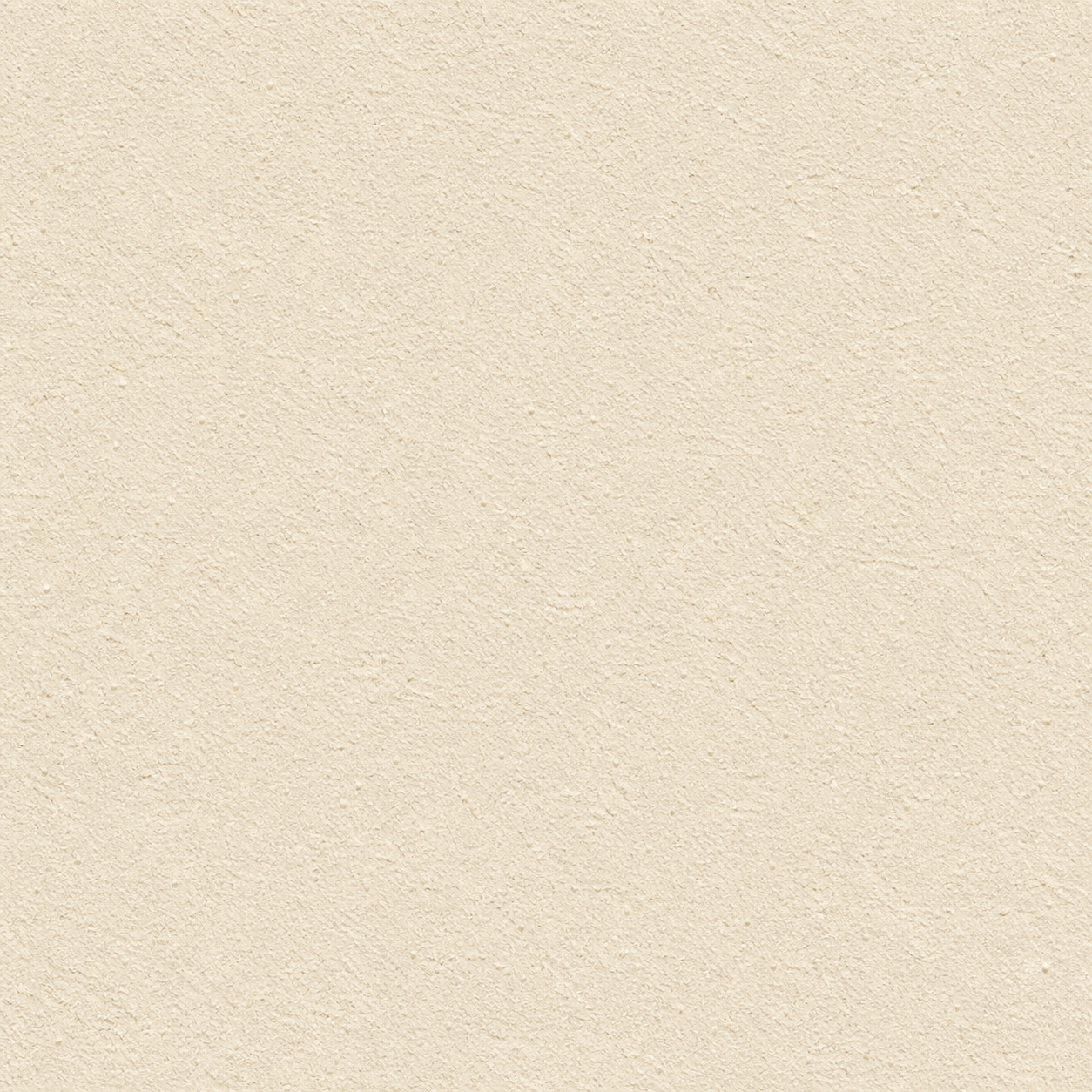
Warm Ivory Smooth Stucco Wall Texture
Warm Ivory Smooth Stucco Wall Texture shows warm ivory stucco with a fine sandy surface, soft tonal variation, and a lightly troweled matte finish. Use this visually inspected surface for interior plaster, exterior render, facades, and neutral architectural surfaces; confirm physical scale, edge repetition, seam continuity, and material response in the target 3D workflow before final use.
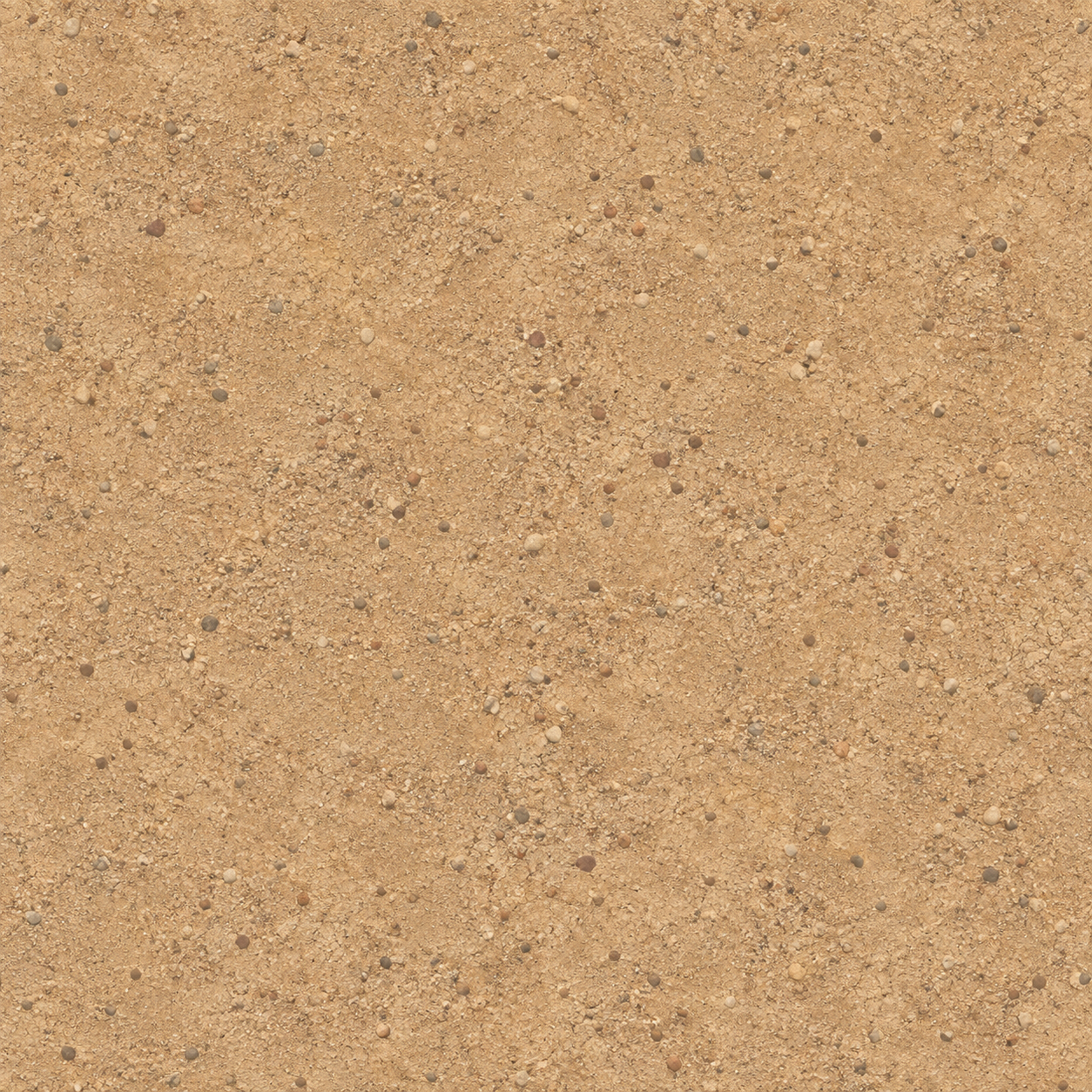
Tan Speckled Sandy Plaster Texture
Tan Speckled Sandy Plaster Texture shows tan sandy plaster with fine dark speckles, small pores, and gentle mottled color variation. Use this visually inspected surface for stucco walls, adobe surfaces, facades, and dry architectural finishes; confirm physical scale, edge repetition, seam continuity, and material response in the target 3D workflow before final use.
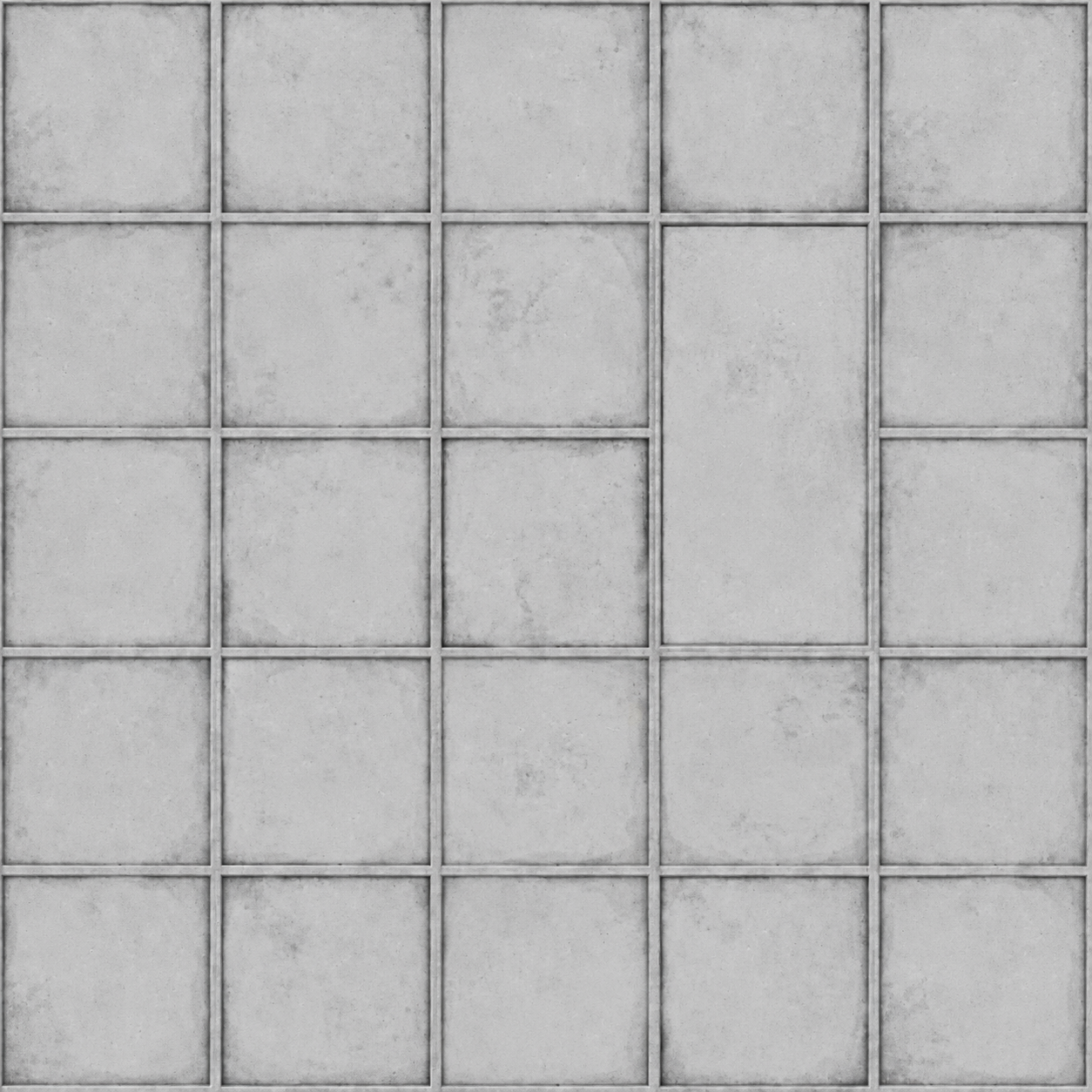
Light Gray Square Concrete Tile Texture
Light Gray Square Concrete Tile Texture shows light gray square concrete tiles with dark straight joints, faint stains, and softened edge wear. Use this visually inspected surface for pavements, utility floors, courtyards, and industrial interiors; confirm physical scale, edge repetition, seam continuity, and material response in the target 3D workflow before final use.
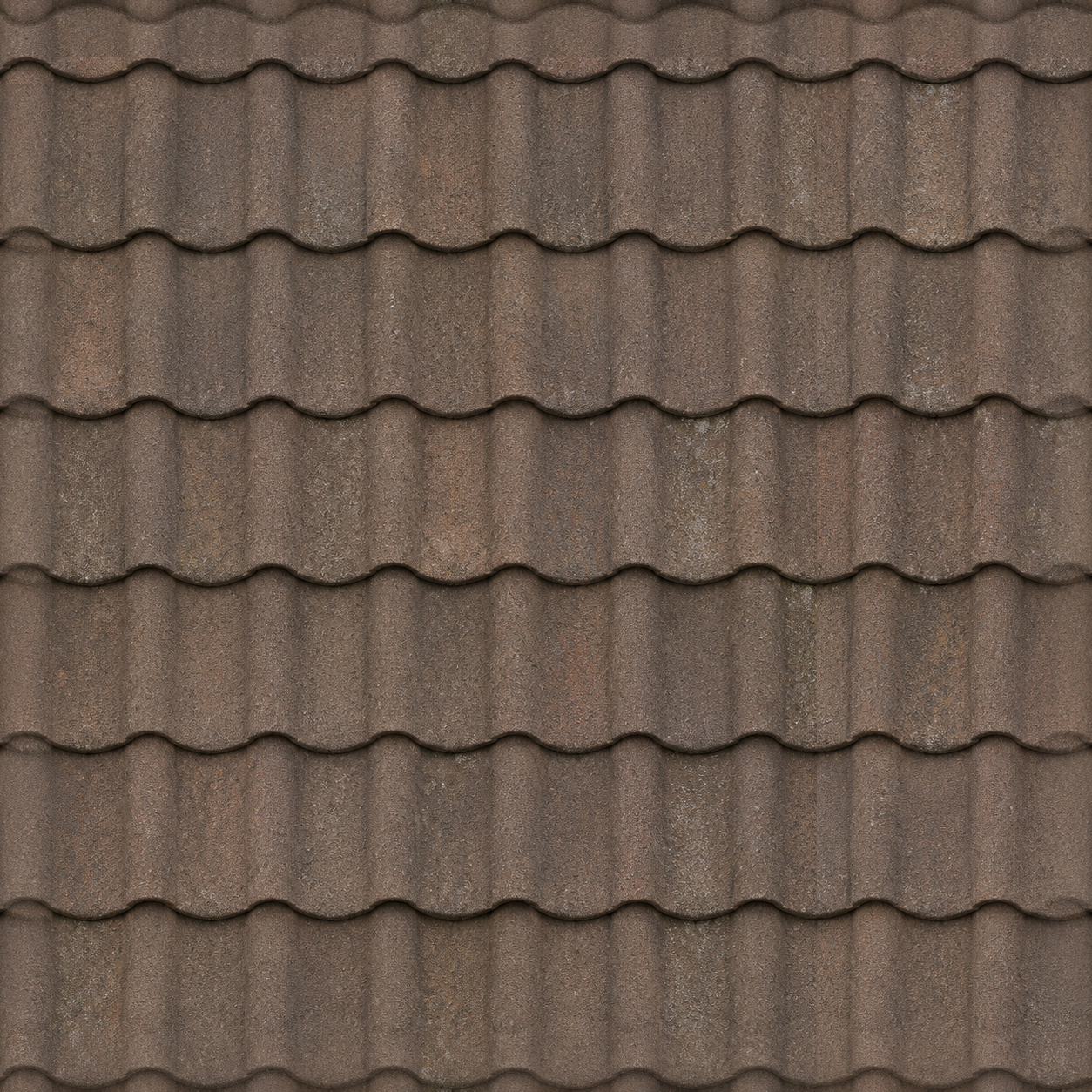
Brown Wavy Cement Roof Tile Texture
Brown Wavy Cement Roof Tile Texture shows rows of brown cement roof tiles with shallow wave profiles, dusty wear, and dark overlaps. Use this visually inspected surface for roofs, sheds, residential exteriors, and architectural visualization; confirm physical scale, edge repetition, seam continuity, and material response in the target 3D workflow before final use.
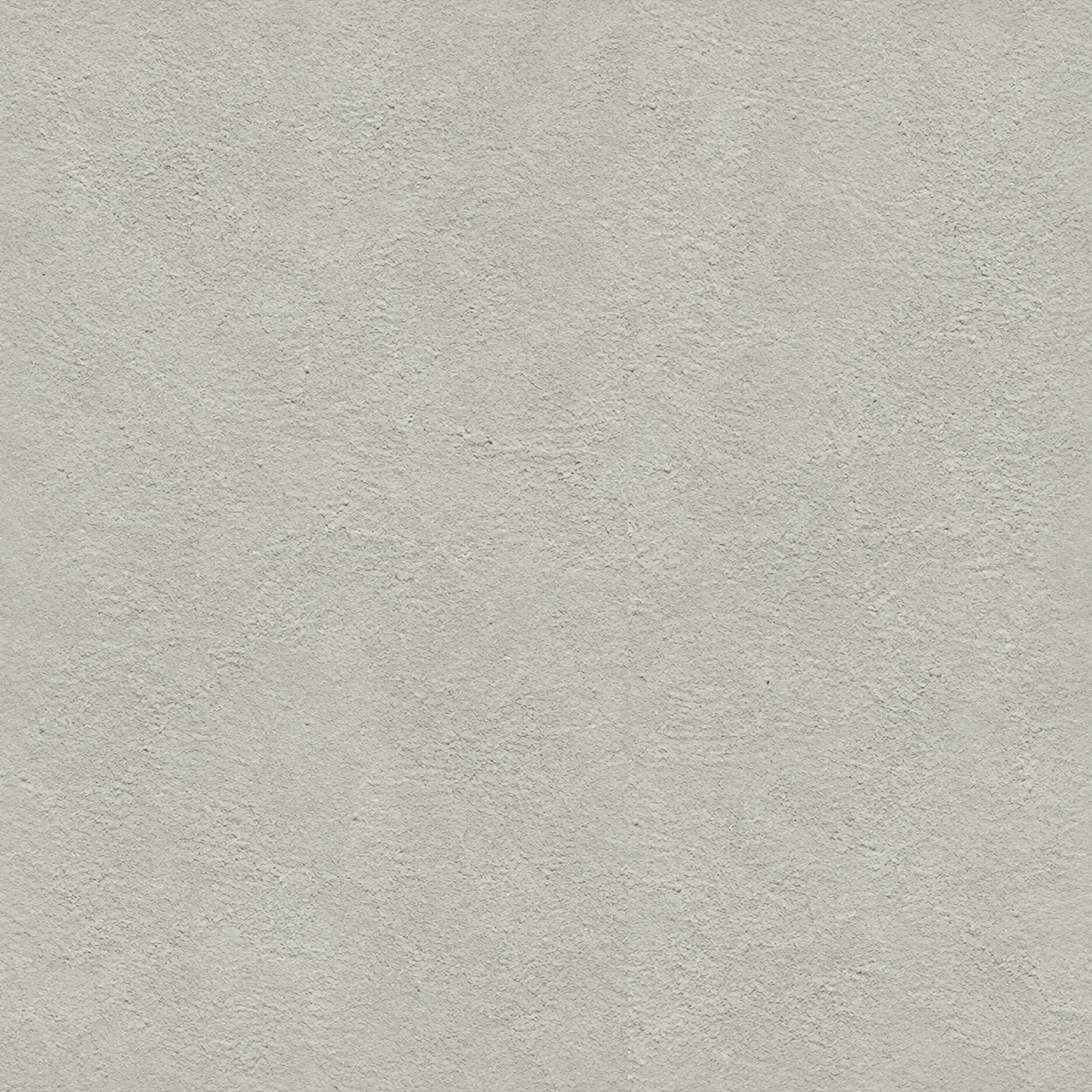
Off-White Fine Stucco Wall Texture
Off-White Fine Stucco Wall Texture shows an off-white stucco wall with fine sandy grain and subtle troweled variation. Use this visually inspected surface for interior walls, exterior render, facades, and architectural backdrops; confirm physical scale, edge repetition, seam continuity, and material response in the target 3D workflow before final use.
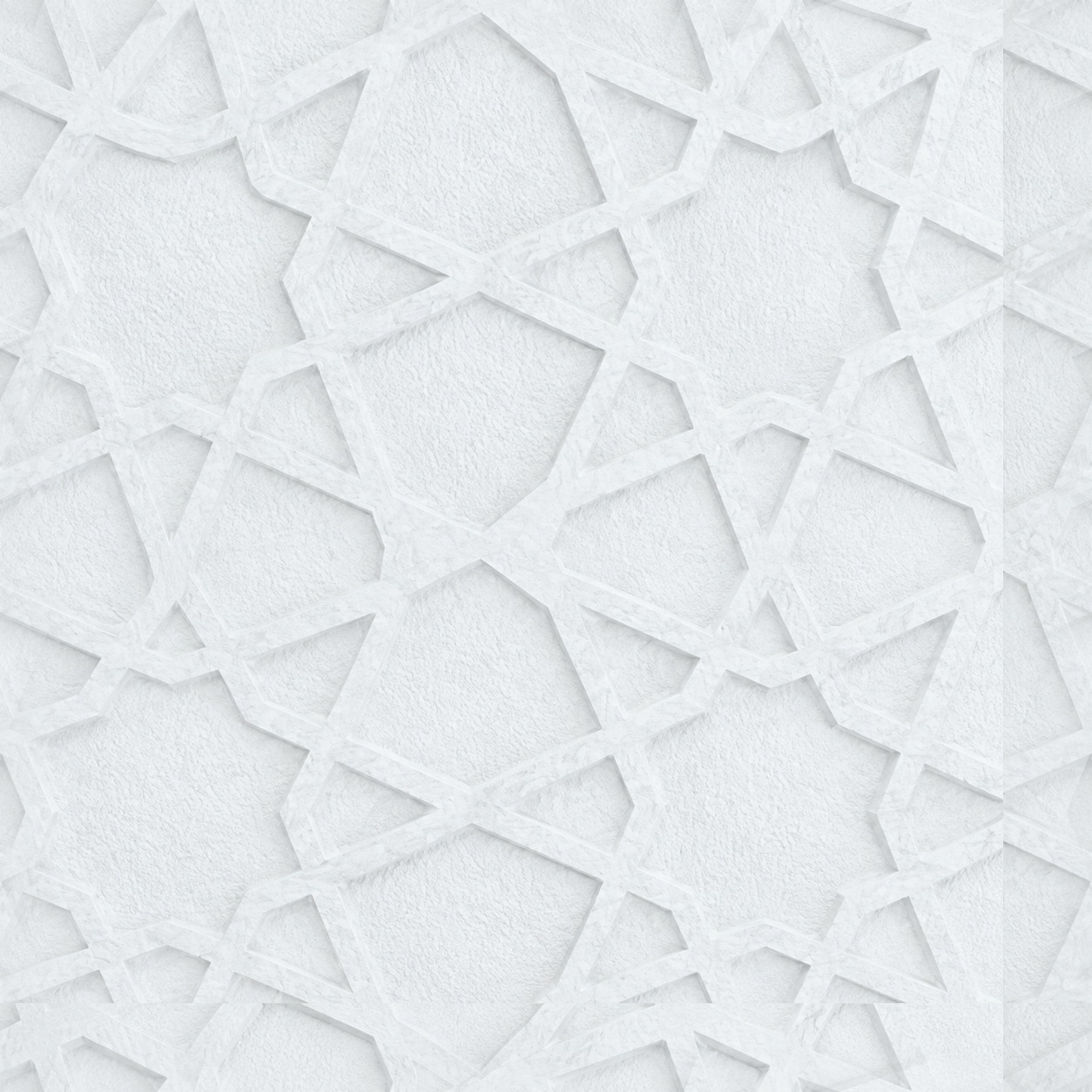
White Polygon Web Plaster Relief Texture
White Polygon Web Plaster Relief Texture shows a white plaster relief of intersecting raised bands forming uneven polygon cells. Use this visually inspected surface for feature walls, ceiling panels, abstract facades, and set design; confirm physical scale, edge repetition, seam continuity, and material response in the target 3D workflow before final use.
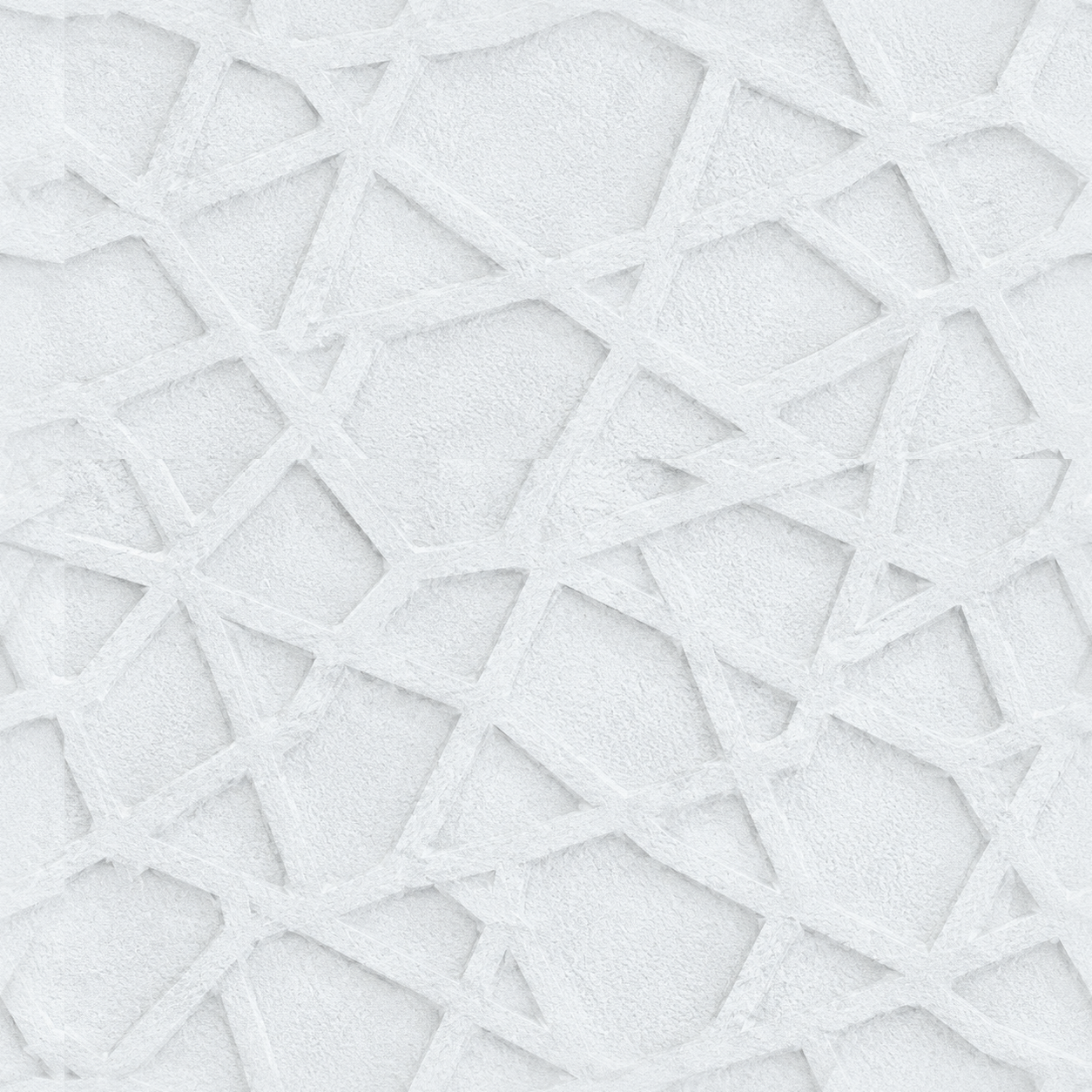
White Fractured Plaster Relief Texture
White Fractured Plaster Relief Texture shows raised white plaster strips crossing recessed pale panels in an irregular fractured network. Use this visually inspected surface for sculptural walls, abstract panels, ceilings, and architectural accents; confirm physical scale, edge repetition, seam continuity, and material response in the target 3D workflow before final use.
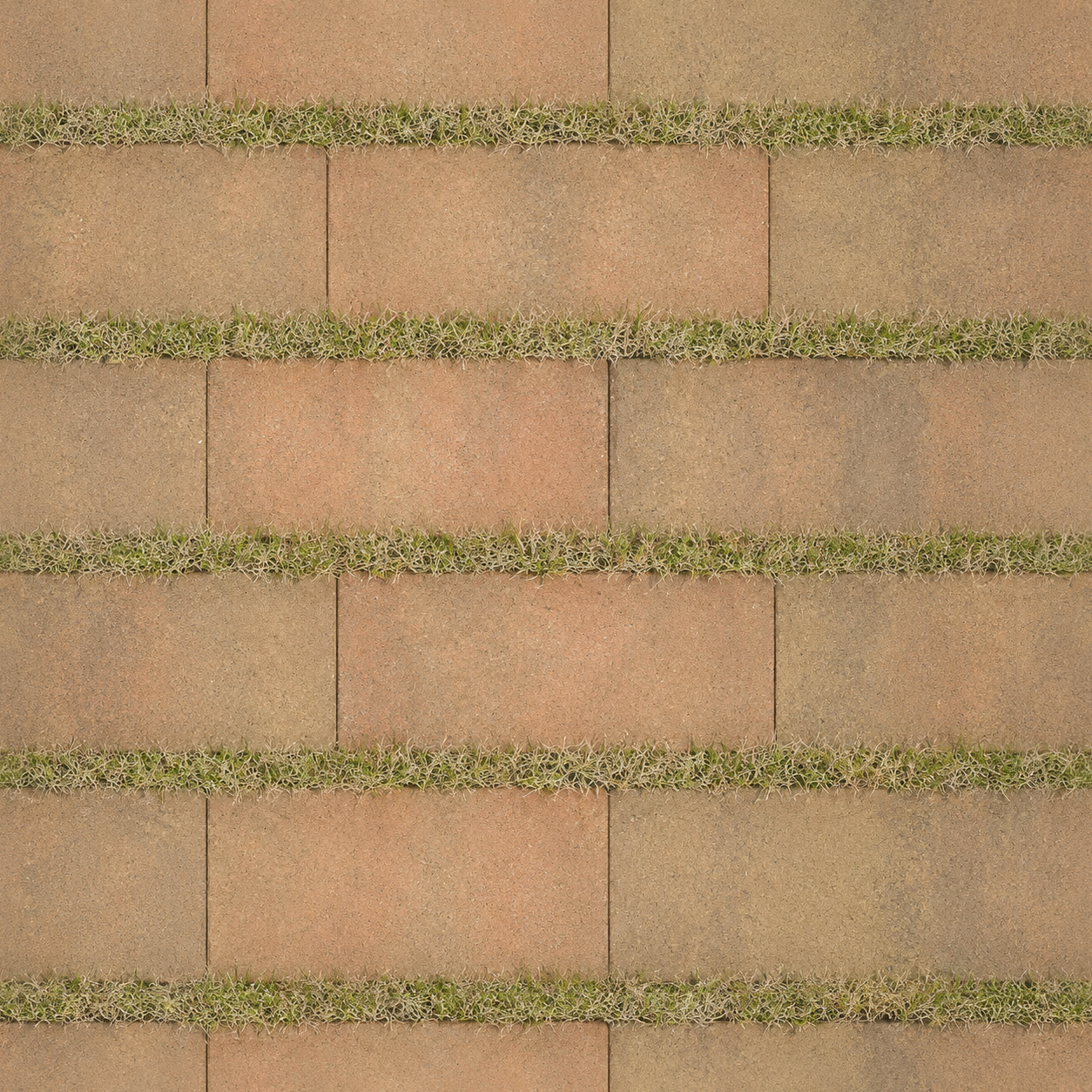
Tan Concrete Pavers With Grass Joints Texture
Tan Concrete Pavers With Grass Joints Texture shows rectangular sandy pavers in staggered courses separated by narrow horizontal bands of green and dry grass. Use it for garden paths, patios, courtyards, or landscaped ground, and inspect paver scale, grass height, course orientation, and repeat boundaries before tiling.
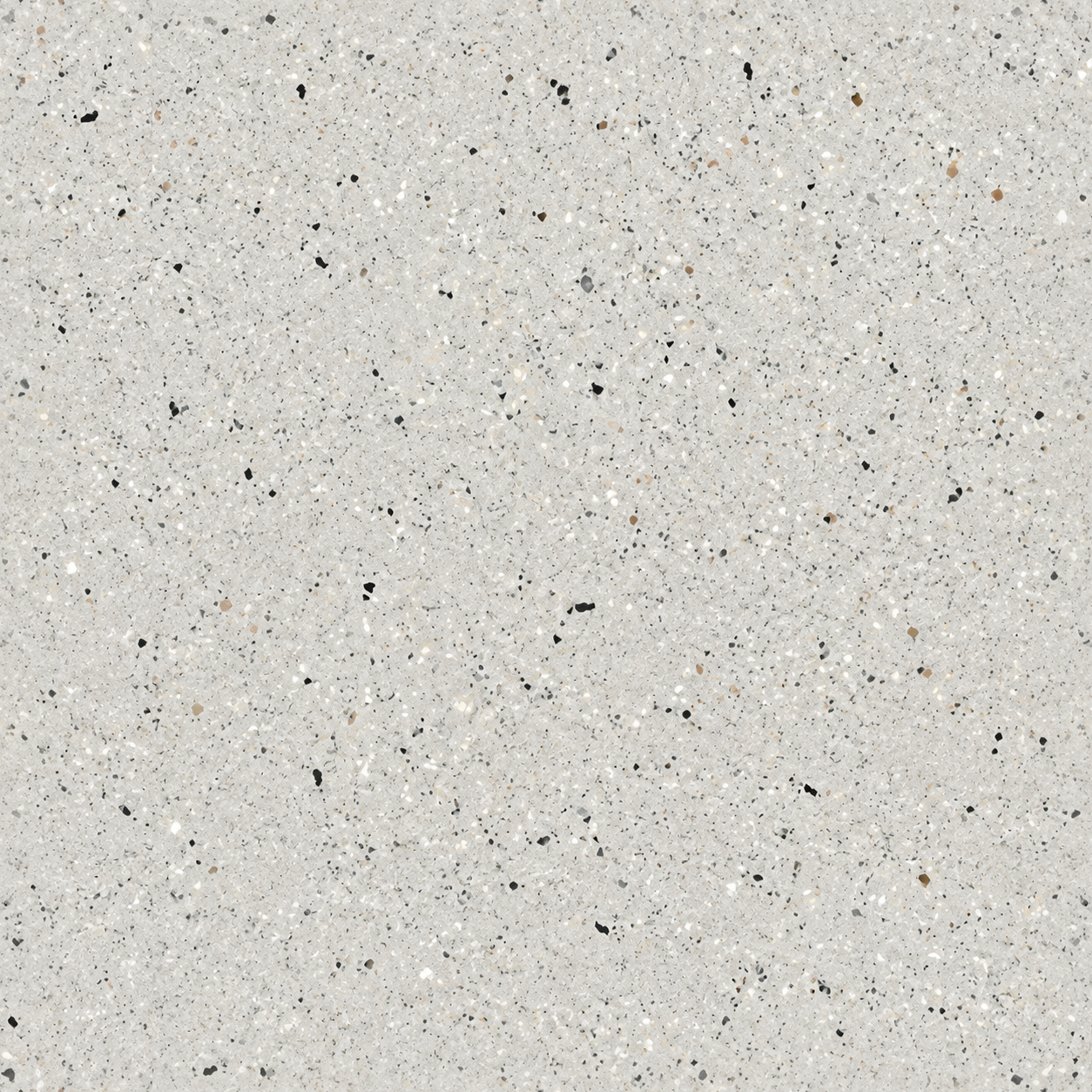
Light Gray Speckled Terrazzo Texture
Light Gray Speckled Terrazzo Texture shows an off-white cement-like matrix scattered with fine black, gray, white, and tan aggregate chips. Use it for floors, counters, wall panels, or interior props, and inspect chip scale, gloss, relief, and repeat visibility before production tiling.

Charcoal Faceted Concrete Panel Texture
Charcoal Faceted Concrete Panel Texture forms an irregular field of dark triangular wall panels with thin black seams, shallow angular planes, and a subtly rough matte grain. Use it for modern facades, sci-fi interiors, or geometric feature walls, then inspect the full asset for repeat seams, panel scale, relief, and roughness.
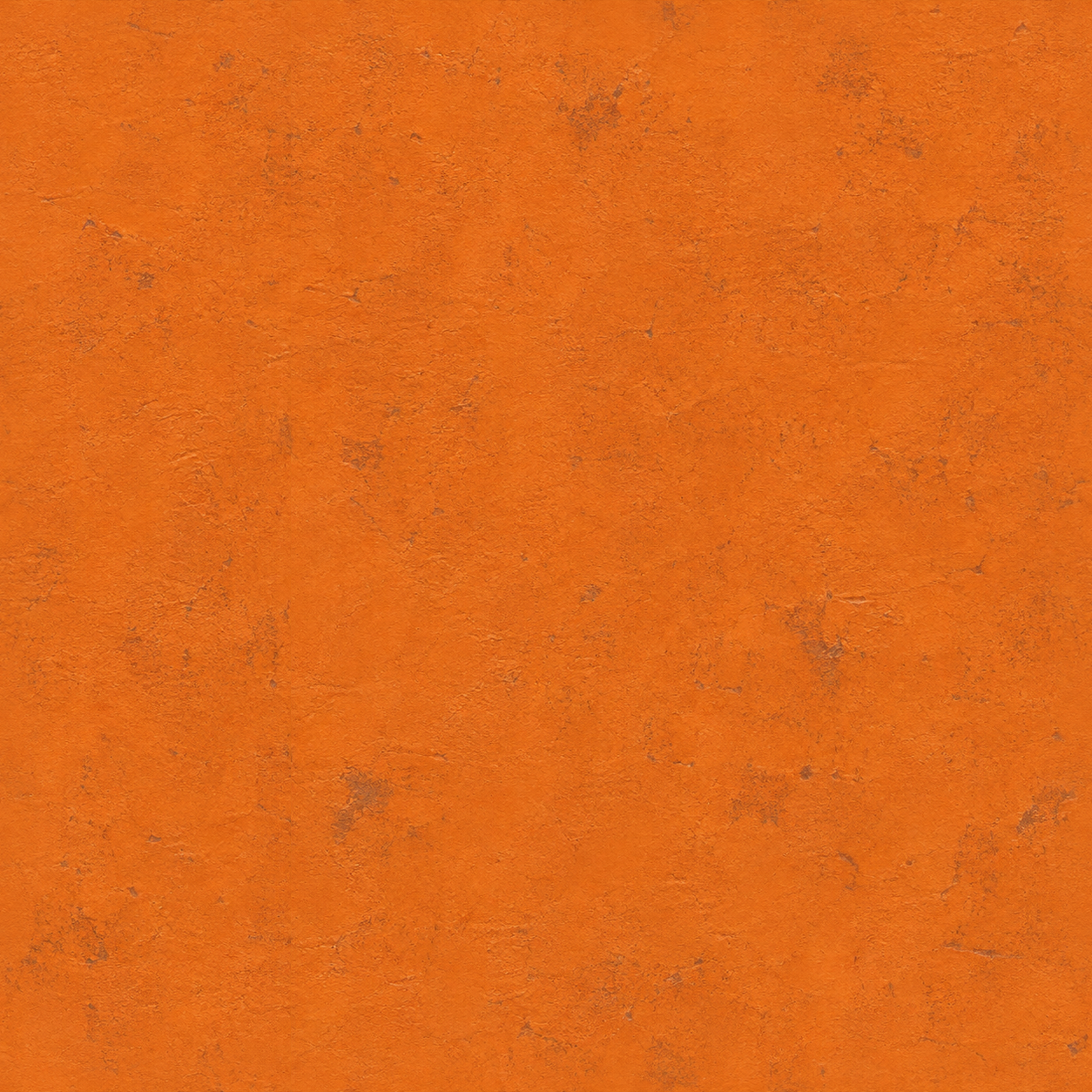
Weathered Orange Painted Plaster Texture
Weathered Orange Painted Plaster Texture shows a saturated orange wall coating over rough plaster with irregular charcoal-gray abrasion, shallow scratches, and patchy wear. Use it for painted exterior walls, stylized architecture, industrial interiors, or worn props, then inspect the full asset for repeat seams, damage scale, relief, and paint roughness.
Cool Gray Fine-Grain Concrete Texture
Cool Gray Fine-Grain Concrete Texture shows a uniform medium-gray cementitious surface with fine pores, subtle speckling, and restrained cloudy variation under a matte finish. Use it for modern walls, floors, architectural panels, or neutral industrial props, then inspect the full asset for repeat seams, aggregate scale, relief, and roughness.

Warm White Faintly Mottled Plaster Texture
Warm White Faintly Mottled Plaster Texture shows a soft ivory-white wall finish with sparse beige speckling, cloudy vertical variation, and a low-relief matte appearance. Use it for quiet interior walls, gallery spaces, ceilings, or neutral architectural surfaces, then inspect the full asset for repeat bands, physical scale, fine relief, and roughness.
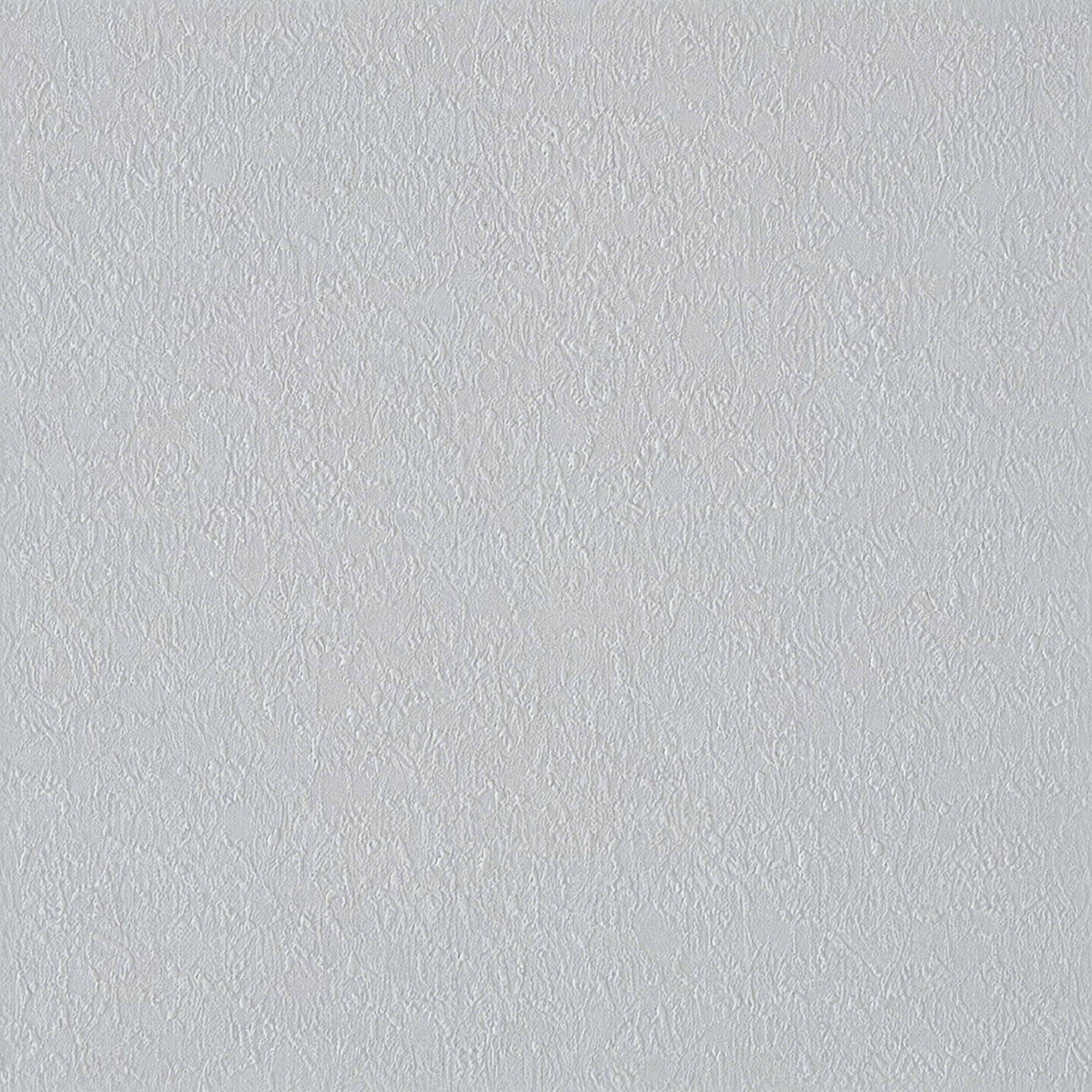
Light Gray Swirled Stucco Wall Texture
Light Gray Swirled Stucco Wall Texture shows pale gray and off-white plaster with dense shallow swirl marks, fine pebble texture, and a matte finish. Use it for interior or exterior walls, facade studies, or architectural panels, then verify trowel scale, subtle relief, repeat landmarks, and roughness under grazing light.
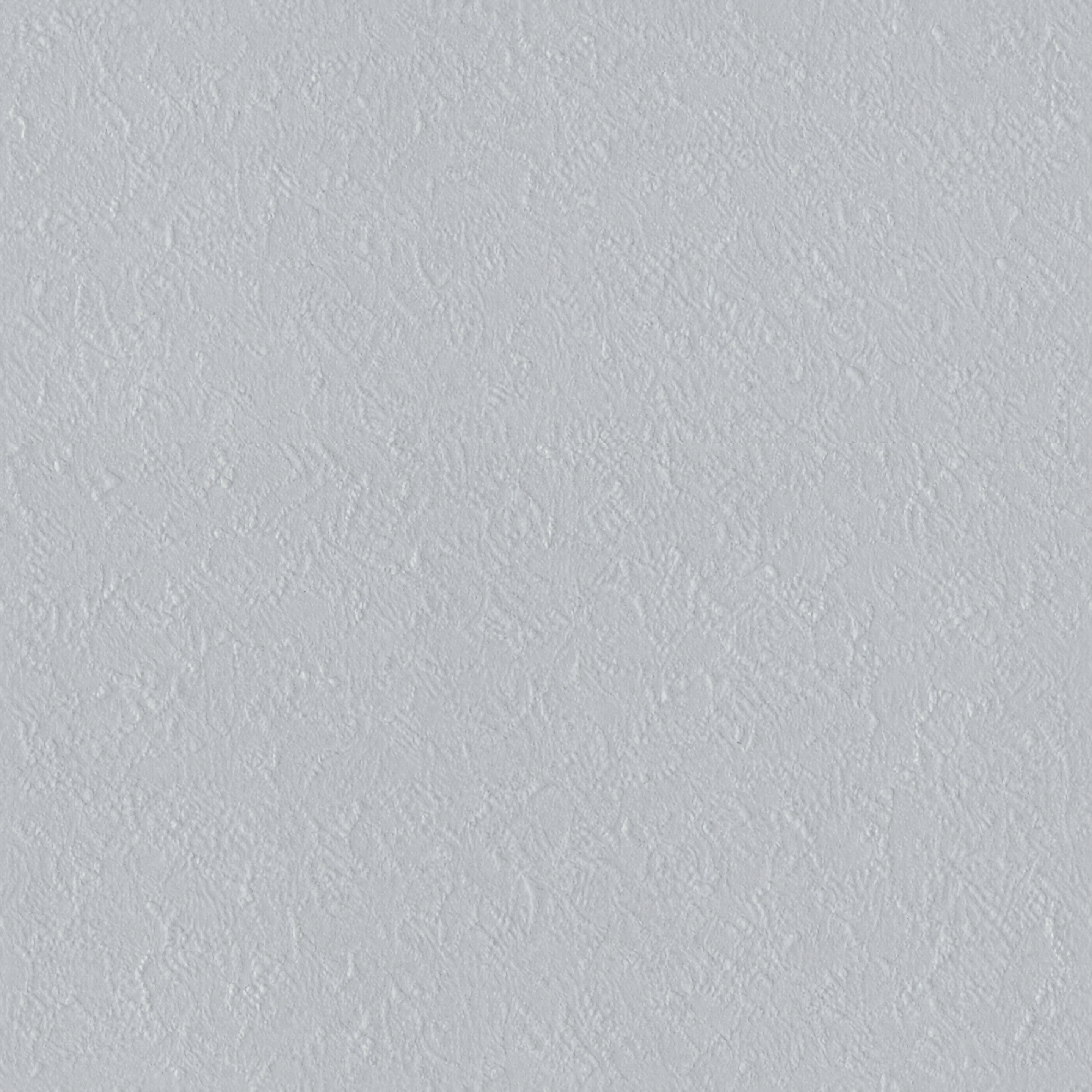
Cool Light Gray Rough Plaster Wall Texture
Cool Light Gray Rough Plaster Wall Texture shows an off-white to cool-gray wall finish with irregular trowel ridges, small raised bumps, and a matte surface. Use it for interior or exterior walls, stucco studies, or architectural panels, then verify subtle relief, physical scale, repeat landmarks, and roughness under side lighting.
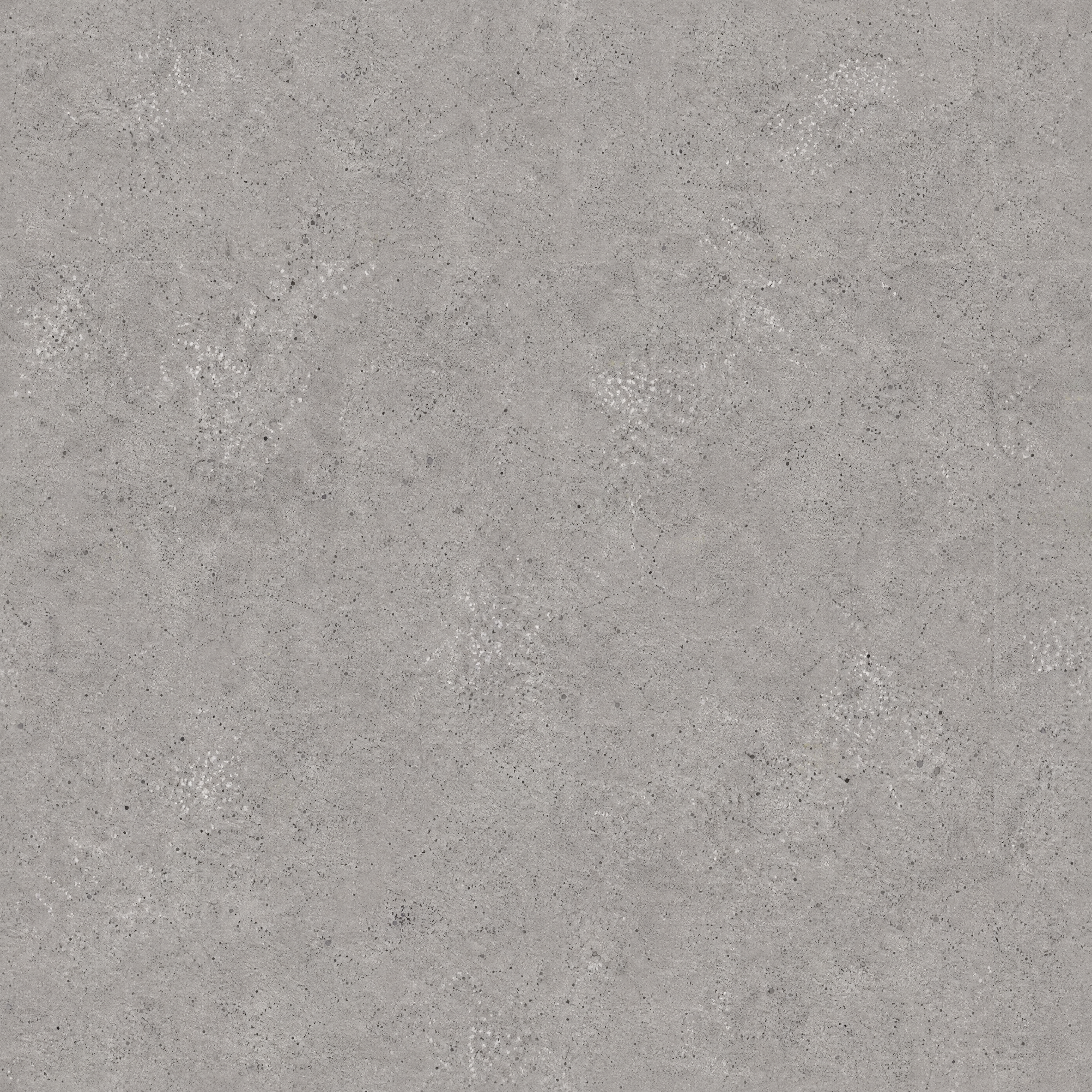
Gray Concrete With Faint Shoe Tread Marks Texture
Gray Concrete With Faint Shoe Tread Marks Texture shows medium-gray cement with fine aggregate, scuffs, dark specks, and scattered pale sole impressions. Use it for worn floors, sidewalks, garages, or urban ground, then inspect a large tiled area for repeated footprints and verify mark scale, relief, and roughness.
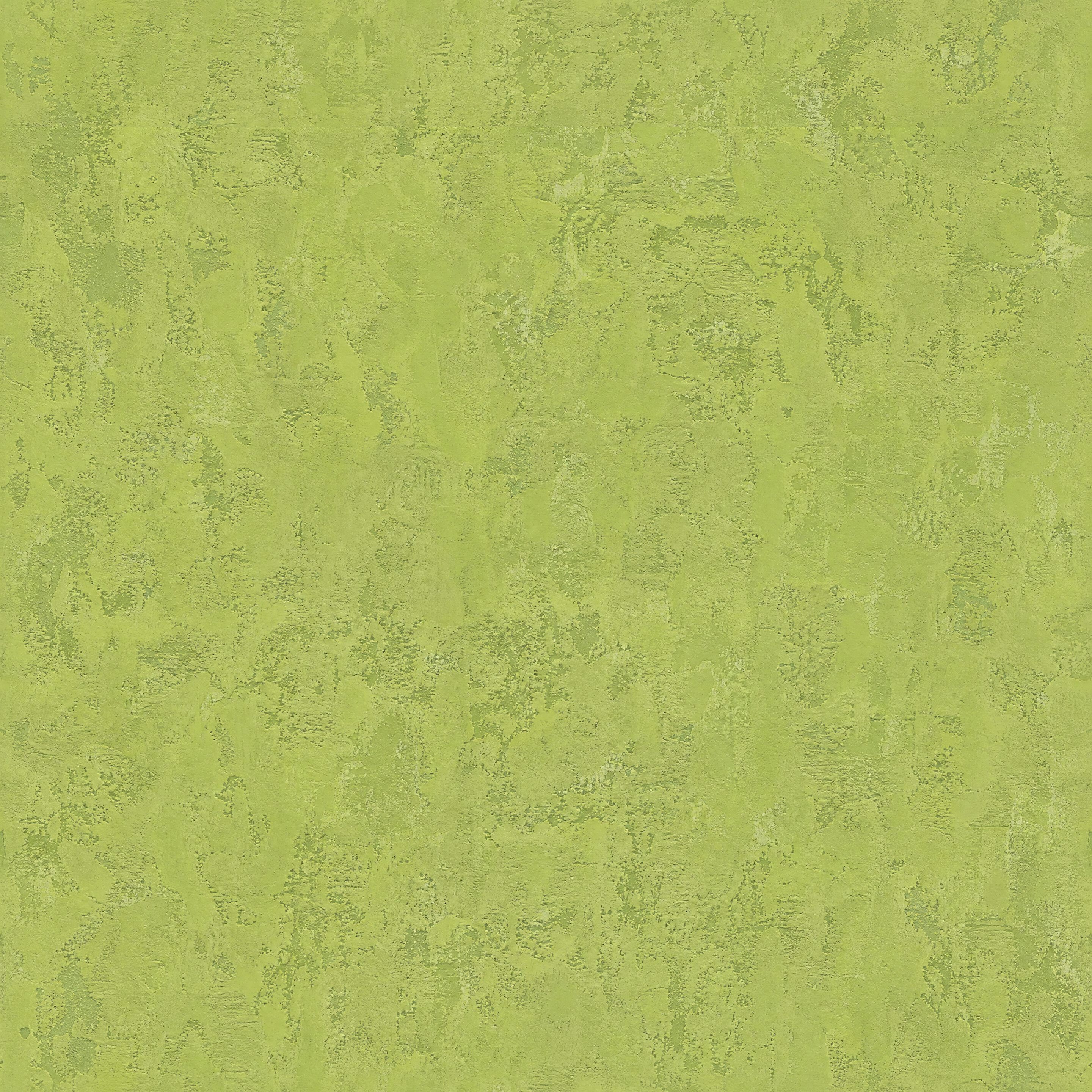
Lime Green Mottled Plaster Texture
Lime Green Mottled Plaster Texture shows a bright yellow-green surface with irregular cloudy patches, faint scratches, and a matte finish. Use it for painted walls, aged facades, stylized props, or color variation, then check patch scale, repeat seams, relief, and roughness under side lighting.
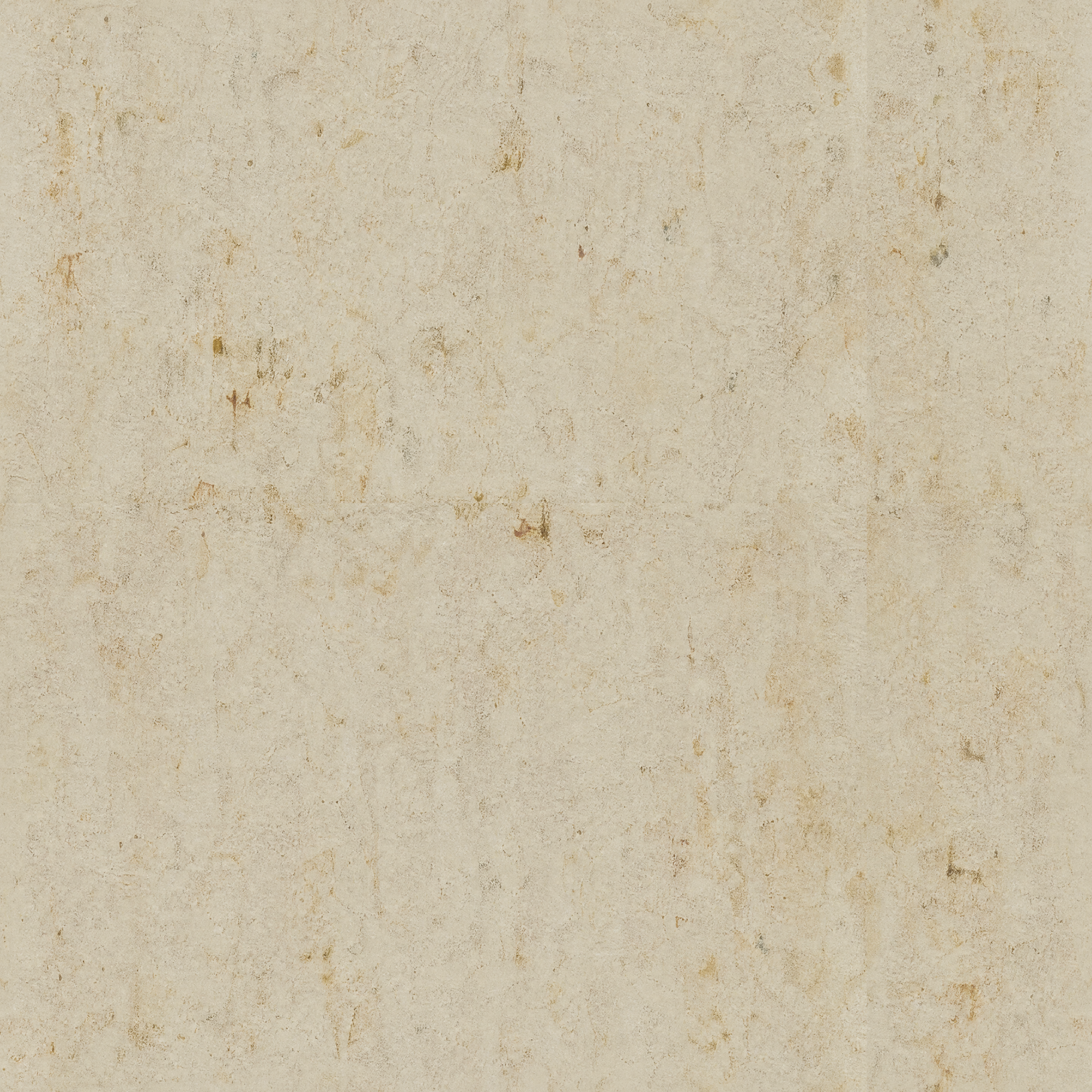
Aged Cream Stained Plaster Wall Texture
Aged Cream Stained Plaster Wall Texture shows a pale warm wall finish with mottled ochre discoloration, scattered gray marks, abrasions, and uneven trowel texture. Use it for old interiors, Mediterranean facades, or distressed architecture, then verify stain scale, seam continuity, and roughness under scene lighting.

Lime Green Mottled Plaster Wall Texture
Lime Green Mottled Plaster Wall Texture covers a vivid yellow-green surface with cloudy tonal patches, soft trowel variation, and fine granular roughness. Use it for stylized interiors, painted facades, or graphic environment accents, then verify color response, repeat landmarks, and shallow surface relief.
Pale Beige Fine Troweled Plaster Wall Texture
Pale Beige Fine Troweled Plaster Wall Texture combines a light cream-beige base with fine sand grains and restrained multidirectional blade marks. Use it for subtle interior walls, facades, or background surfaces, then test seam visibility, grain scale, and low-relief normal strength.
Warm Greige Pebbled Stucco Wall Texture
Warm Greige Pebbled Stucco Wall Texture presents a light gray-beige coating with rounded grit, shallow ridges, and softly blended trowel swirls. Use it for residential walls, exterior render, or neutral architectural surfaces, then verify pebble scale, repeat landmarks, and bump intensity.
Sand Beige Roughcast Plaster Wall Texture
Sand Beige Roughcast Plaster Wall Texture shows a warm sand-colored wall finish with dense granular aggregate and short irregular trowel marks. Use it for stucco facades, interior render, or worn architectural walls, then inspect grain scale, edge continuity, and roughness across a larger tiled area.

Weathered Blue Plaster Wall Texture
Weathered Blue Plaster Wall Texture shows a cyan-blue painted plaster surface with fine granular roughness, soft trowel variation, and scattered hairline scratches. Use it for painted walls, stucco facades, or stylized architectural surfaces, then verify physical scale, edge continuity, and roughness under the target lighting.
Light Gray Concrete Stone Texture
Light Gray Concrete Stone Texture shows light gray and dark gray across a stone or concrete surface with a repeating tile pattern and a naturalistic appearance. Use it as a reference for meshes, props, terrain, or architectural materials, then verify repeat landmarks, physical scale, relief, and roughness under the lighting used by the final scene.
Gray Rough Stone Concrete Texture
Gray Rough Stone Concrete Texture shows gray, dark gray, and charcoal across a concrete surface with irregular variation and a rough or architectural appearance. Use it as a reference for meshes, props, terrain, or architectural materials, then verify repeat landmarks, physical scale, relief, and roughness under the lighting used by the final scene.
Adobe House Earthy Tone Texture
Adobe House Earthy Tone Texture shows tan, brown, and beige across a stone or plaster surface with subtle grain and a natural appearance. Use it as a reference for meshes, props, terrain, or architectural materials, then verify repeat landmarks, physical scale, relief, and roughness under the lighting used by the final scene.
Adobe House Muted Color Texture
Adobe House Muted Color Texture shows light brown, beige, and tan across a concrete or stucco surface with a rough finish and a natural appearance. Use it as a reference for meshes, props, terrain, or architectural materials, then verify repeat landmarks, physical scale, relief, and roughness under the lighting used by the final scene.
Dark Gray Concrete Surface Texture
Dark Gray Concrete Surface Texture shows dark gray and gray across a concrete surface with a uniform finish and an industrial appearance. Use it as a reference for meshes, props, terrain, or architectural materials, then verify repeat landmarks, physical scale, relief, and roughness under the lighting used by the final scene.
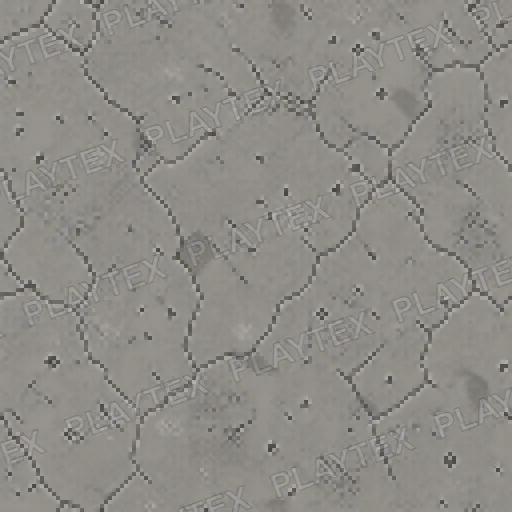
Lightning Sword Pixel Art Concrete Texture
Lightning Sword Pixel Art Concrete Texture shows gray and dark gray across a concrete surface with a pixelated pattern and a pixel art appearance. Use it as a reference for meshes, props, terrain, or architectural materials, then verify repeat landmarks, physical scale, relief, and roughness under the lighting used by the final scene.
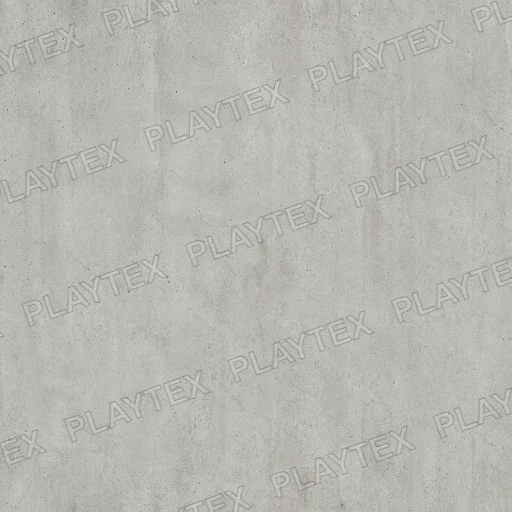
-Realistic Cast-In-Place Reinforced Metal Texture
-Realistic Cast-In-Place Reinforced Metal Texture shows gray, silver, and dark gray across a metal or concrete surface with a rough finish and a naturalistic appearance. Use it for hard-surface props, panels, machinery, or architectural details, then verify physical scale, metallic response, relief, and roughness under the final lighting.
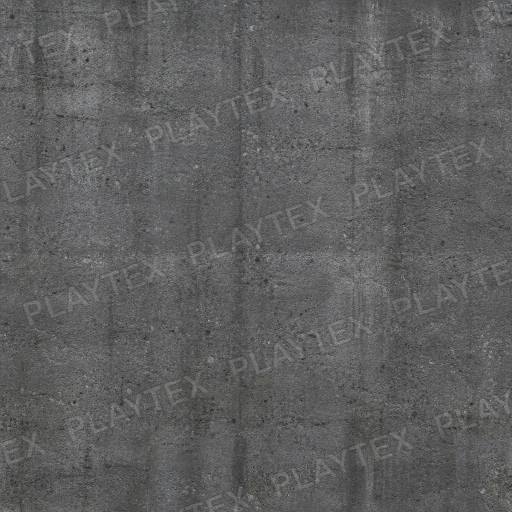
Aged Charcoal Concrete Wall Texture
Aged Charcoal Concrete Wall Texture features a dark gray poured surface with broad stains, mottled wear, and restrained aggregate detail. It works for underground structures, retaining walls, tunnels, and industrial floors; inspect macro repetition and moisture contrast at scene scale.
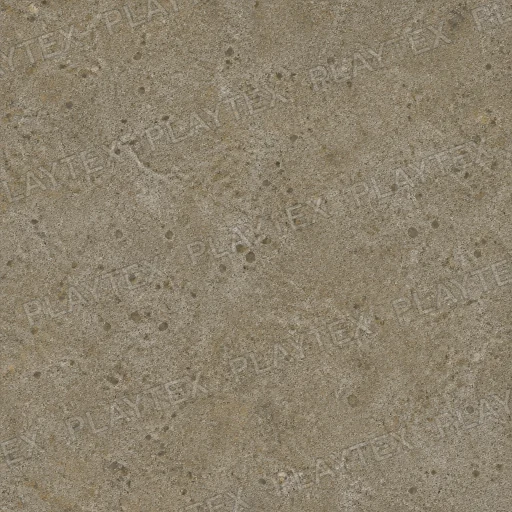
Concrete - Rough Weathered Texture
Concrete - Rough Weathered Texture shows medium gray, light gray, and off white across a concrete surface with a rough finish and a naturalistic appearance. Use it as a reference for meshes, props, terrain, or architectural materials, then verify repeat landmarks, physical scale, relief, and roughness under the lighting used by the final scene.
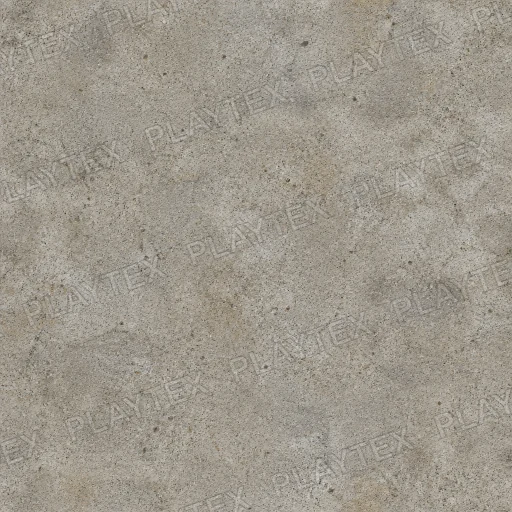
Concrete - Rough Weathered Light Texture
Concrete - Rough Weathered Light Texture shows light beige, tan, and light gray across a concrete surface with a rough finish and a naturalistic appearance. Use it as a reference for meshes, props, terrain, or architectural materials, then verify repeat landmarks, physical scale, relief, and roughness under the lighting used by the final scene.
16x16 Pixels Poop Texture
16x16 Pixels Poop Texture shows beige, light brown, and gray across a concrete surface with a coarse finish and an abstract appearance. Use it as a reference for meshes, props, terrain, or architectural materials, then verify repeat landmarks, physical scale, relief, and roughness under the lighting used by the final scene.
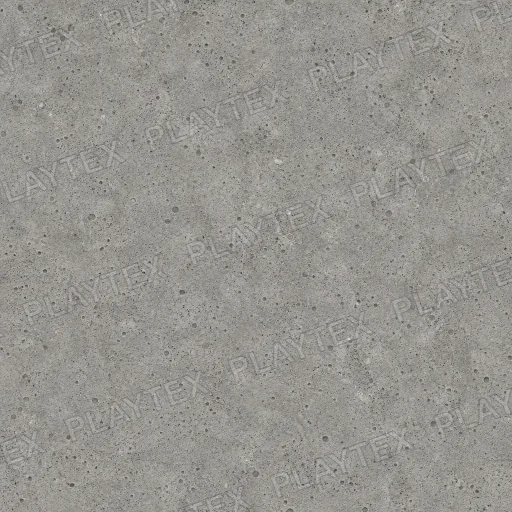
Light Gray Rough Concrete Texture
Light Gray Rough Concrete Texture shows light gray and gray across a concrete surface with a rough finish and a naturalistic appearance. Use it as a reference for meshes, props, terrain, or architectural materials, then verify repeat landmarks, physical scale, relief, and roughness under the lighting used by the final scene.
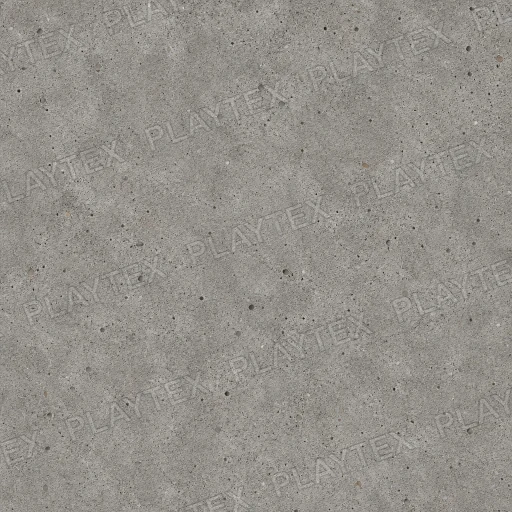
Concrete Light Gray Texture
Concrete Light Gray Texture shows light gray and gray across a concrete surface with fine surface detail and a naturalistic appearance. Use it as a reference for meshes, props, terrain, or architectural materials, then verify repeat landmarks, physical scale, relief, and roughness under the lighting used by the final scene.
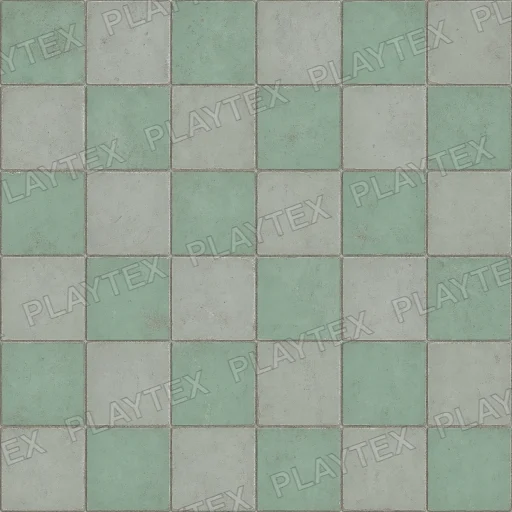
Beige Weathered Hospital Concrete Texture
Beige Weathered Hospital Concrete Texture shows beige, tan, and light brown across a concrete surface with a mottled pattern and a weathered appearance. Use it as a reference for meshes, props, terrain, or architectural materials, then verify repeat landmarks, physical scale, relief, and roughness under the lighting used by the final scene.
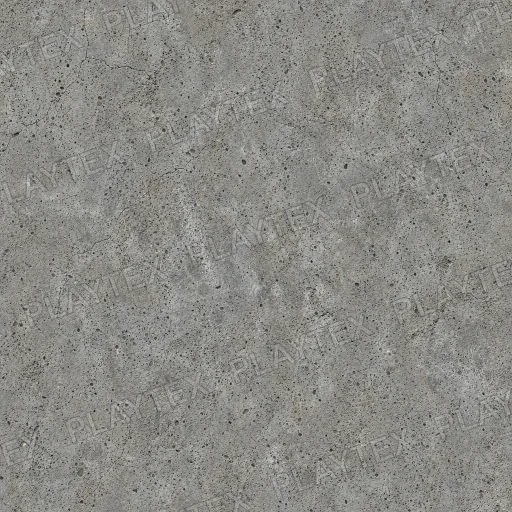
Weathered Rough Concrete Texture
Weathered Rough Concrete Texture shows gray, light gray, and dark gray across a concrete surface with a rough finish and a naturalistic appearance. Use it as a reference for meshes, props, terrain, or architectural materials, then verify repeat landmarks, physical scale, relief, and roughness under the lighting used by the final scene.
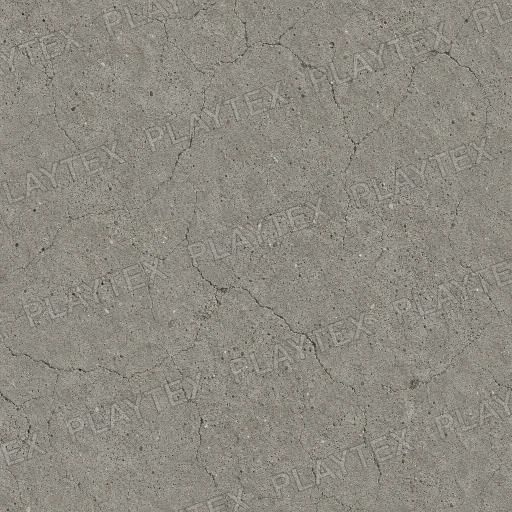
Cracked Rough Concrete Texture
Cracked Rough Concrete Texture shows gray, beige, and brown across a concrete surface with a cracked pattern and a naturalistic appearance. Use it as a reference for meshes, props, terrain, or architectural materials, then verify repeat landmarks, physical scale, relief, and roughness under the lighting used by the final scene.
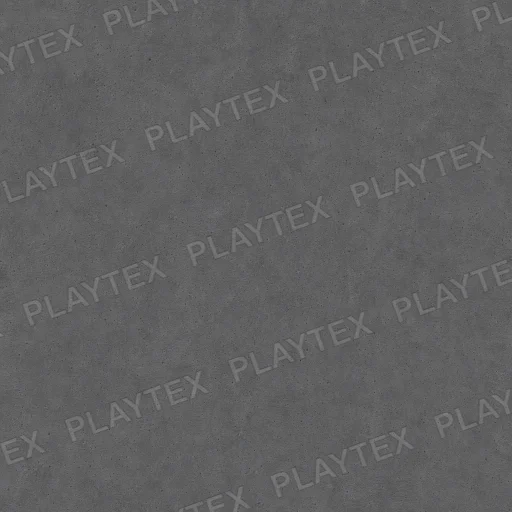
Polished Black Marble Floor Gray Texture
Polished Black Marble Floor Gray Texture shows black, gray, and white across a marble surface with a streaked finish and a naturalistic appearance. Use it as a reference for meshes, props, terrain, or architectural materials, then verify repeat landmarks, physical scale, relief, and roughness under the lighting used by the final scene.
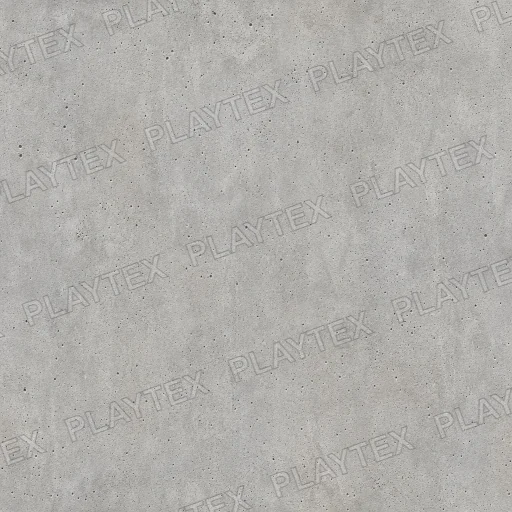
Stone Light Gray Texture
Stone Light Gray Texture shows light gray, beige, and off white across a stone surface with irregular variation and a naturalistic appearance. Use it as a reference for meshes, props, terrain, or architectural materials, then verify repeat landmarks, physical scale, relief, and roughness under the lighting used by the final scene.
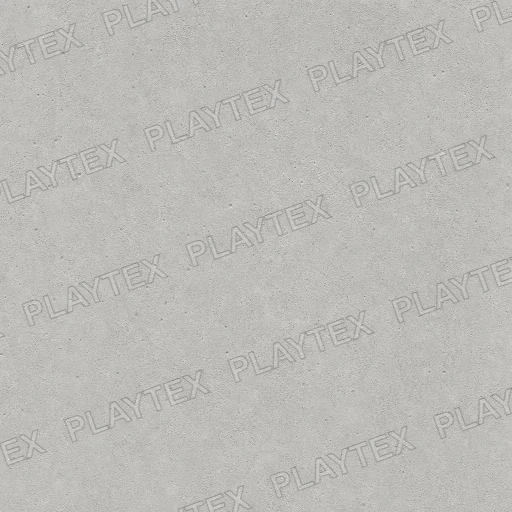
Stone Brown Tan Texture
Stone Brown Tan Texture shows brown, tan, and grey across a stone or concrete surface with an irregular stacked finish and a natural appearance. Use it as a reference for meshes, props, terrain, or architectural materials, then verify repeat landmarks, physical scale, relief, and roughness under the lighting used by the final scene.
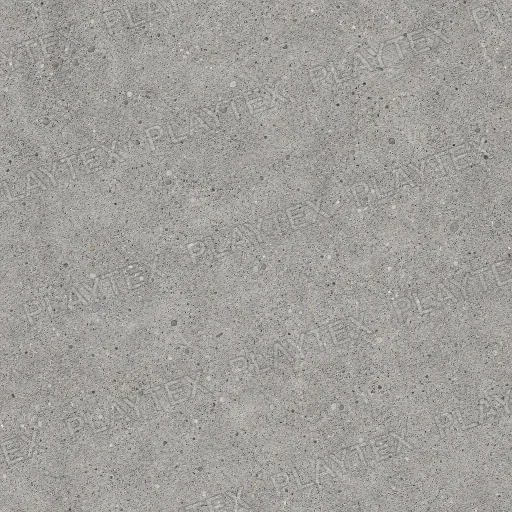
Gray Concrete Rough Inorganic Texture
Gray Concrete Rough Inorganic Texture shows gray and light gray across an inorganic surface with a rough finish and a naturalistic appearance. Use it as a reference for meshes, props, terrain, or architectural materials, then verify repeat landmarks, physical scale, relief, and roughness under the lighting used by the final scene.
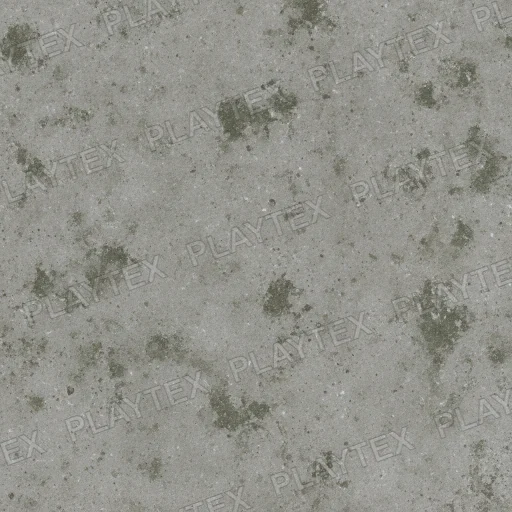
Weathered Rough Concrete Mottled Texture
Weathered Rough Concrete Mottled Texture shows gray, beige, and brown across a concrete surface with a rough finish and a naturalistic appearance. Use it as a reference for meshes, props, terrain, or architectural materials, then verify repeat landmarks, physical scale, relief, and roughness under the lighting used by the final scene.
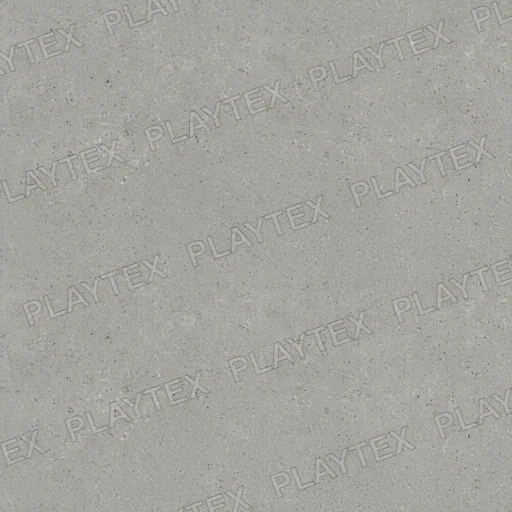
Gray Rough Aggregate Concrete Texture
Gray Rough Aggregate Concrete Texture shows gray, dark gray, and light gray across a concrete surface with uneven surface variation and a rough appearance. Use it as a reference for meshes, props, terrain, or architectural materials, then verify repeat landmarks, physical scale, relief, and roughness under the lighting used by the final scene.
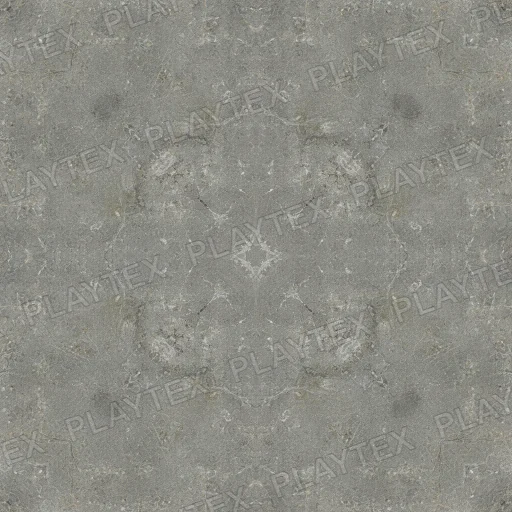
Rough Concrete Light Gray Texture
Rough Concrete Light Gray Texture shows light gray, dark gray, and beige across a concrete surface with a mottled pattern and a rough appearance. Use it as a reference for meshes, props, terrain, or architectural materials, then verify repeat landmarks, physical scale, relief, and roughness under the lighting used by the final scene.
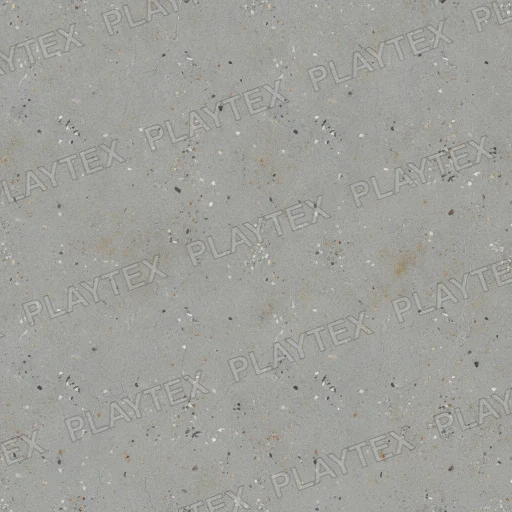
Concrete Light Gray White Texture
Concrete Light Gray White Texture shows light gray, white, and dark gray across a concrete surface with a rough finish and a naturalistic appearance. Use it as a reference for meshes, props, terrain, or architectural materials, then verify repeat landmarks, physical scale, relief, and roughness under the lighting used by the final scene.
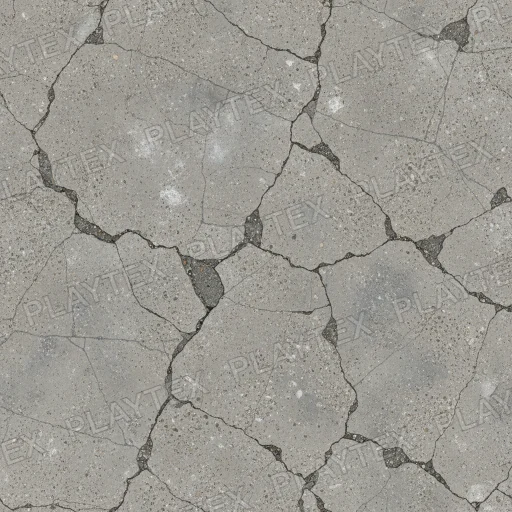
Cracked Rough Concrete Weathered Texture
Cracked Rough Concrete Weathered Texture shows gray, brown, and off white across a concrete surface with a cracked pattern and a rough appearance. Use it as a reference for meshes, props, terrain, or architectural materials, then verify repeat landmarks, physical scale, relief, and roughness under the lighting used by the final scene.
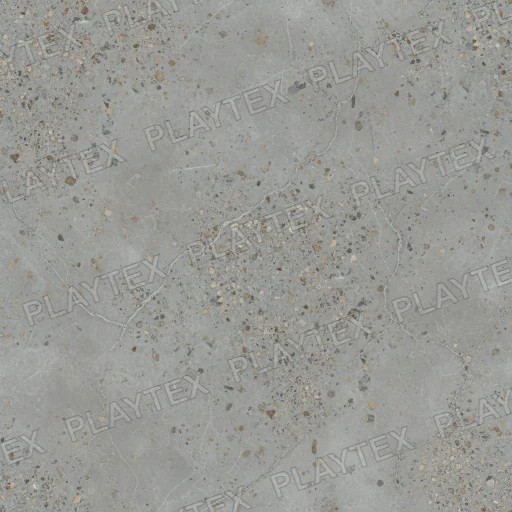
Gray Granular Architectural Concrete Texture
Gray Granular Architectural Concrete Texture shows gray, light gray, and off white across a concrete surface with a uniform finish and a granular appearance. Use it as a reference for meshes, props, terrain, or architectural materials, then verify repeat landmarks, physical scale, relief, and roughness under the lighting used by the final scene.
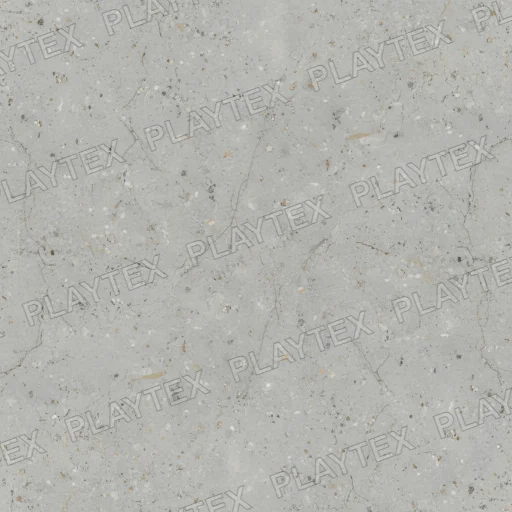
Cracked Rough Concrete Distressed Texture
Cracked Rough Concrete Distressed Texture shows gray, dark gray, and light gray across a concrete surface with a cracked pattern and a rough appearance. Use it as a reference for meshes, props, terrain, or architectural materials, then verify repeat landmarks, physical scale, relief, and roughness under the lighting used by the final scene.
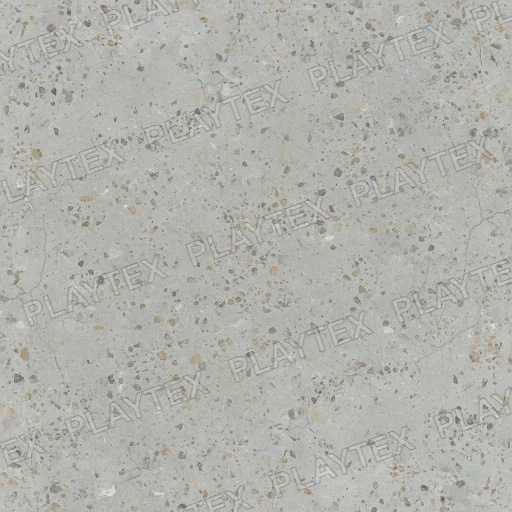
Rough Concrete Gray Texture
Rough Concrete Gray Texture shows light gray, beige, and off white across a concrete surface with a rough finish and a naturalistic appearance. Use it as a reference for meshes, props, terrain, or architectural materials, then verify repeat landmarks, physical scale, relief, and roughness under the lighting used by the final scene.
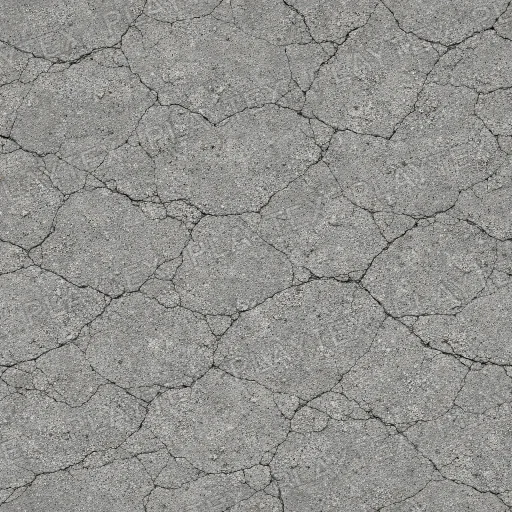
Cracked Rough Concrete Aged Texture
Cracked Rough Concrete Aged Texture shows gray, beige, and brown across a concrete surface with a cracked pattern and a naturalistic appearance. Use it as a reference for meshes, props, terrain, or architectural materials, then verify repeat landmarks, physical scale, relief, and roughness under the lighting used by the final scene.
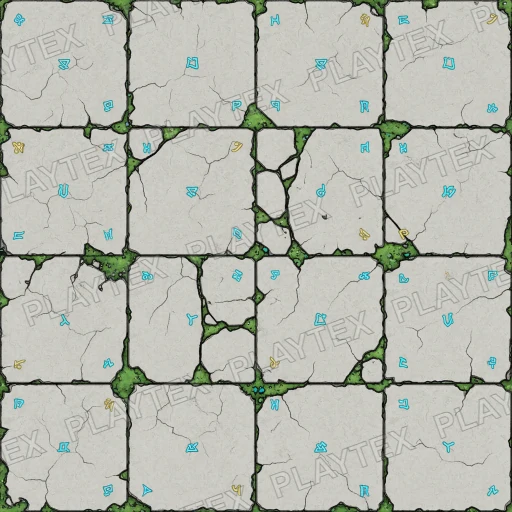
Cracked Rough Concrete Red Brown Texture
Cracked Rough Concrete Red Brown Texture shows red brown, dark gray, and purple across a concrete surface with a rough finish and a cracked appearance. Use it as a reference for meshes, props, terrain, or architectural materials, then verify repeat landmarks, physical scale, relief, and roughness under the lighting used by the final scene.
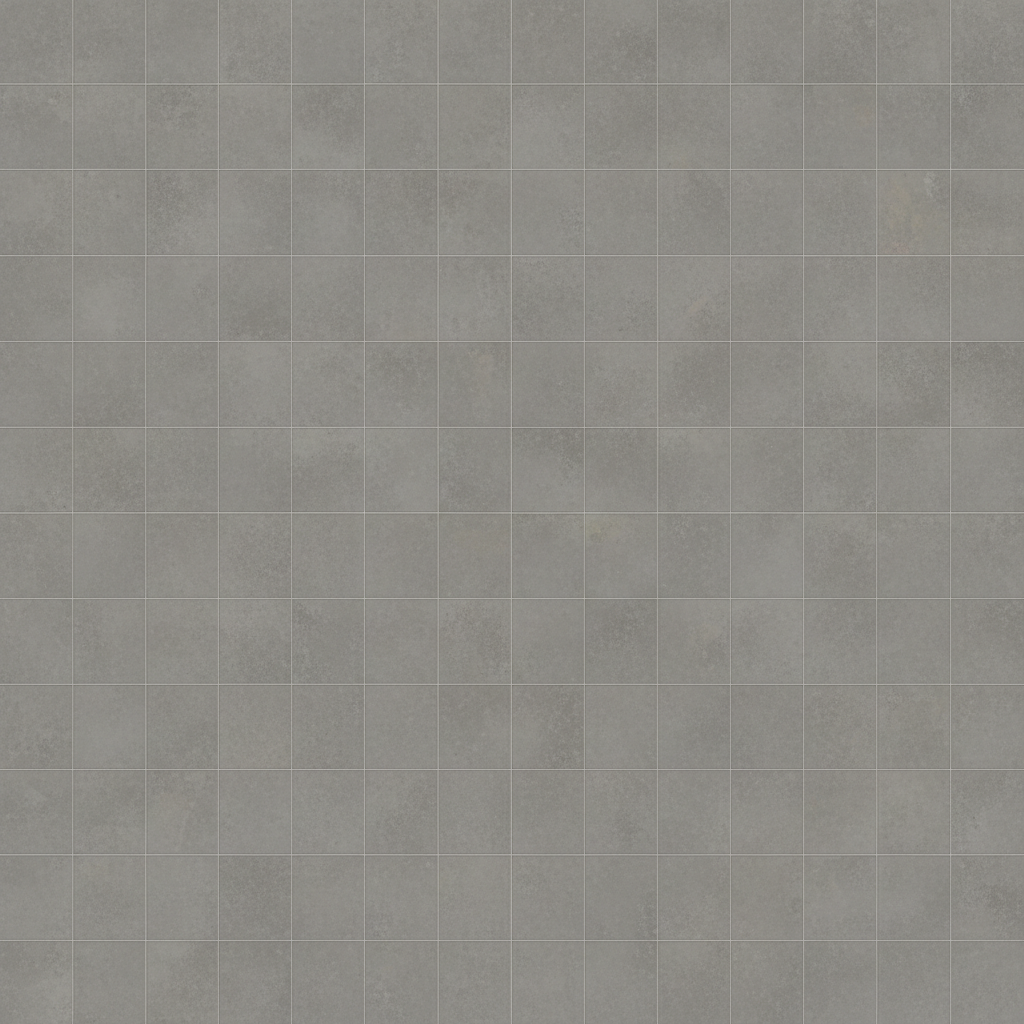
Light Beige Pink Concrete Texture
Light Beige Pink Concrete Texture shows light beige and muted pink across a concrete surface with a regular grid and a subtle appearance. Use it as a reference for meshes, props, terrain, or architectural materials, then verify repeat landmarks, physical scale, relief, and roughness under the lighting used by the final scene.
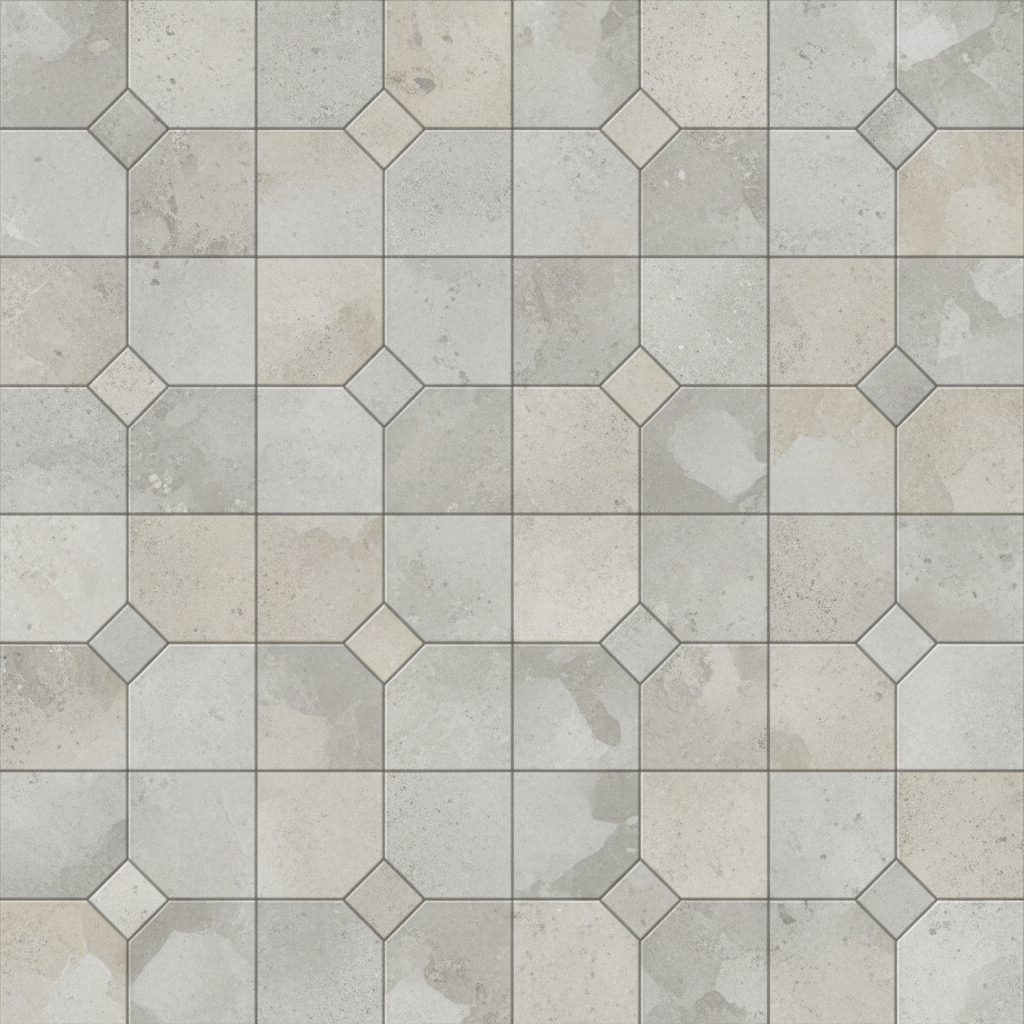
Cracked Rough Concrete Gray Texture
Cracked Rough Concrete Gray Texture shows gray and light gray across a concrete surface with a rough finish and a naturalistic appearance. Use it as a reference for meshes, props, terrain, or architectural materials, then verify repeat landmarks, physical scale, relief, and roughness under the lighting used by the final scene.
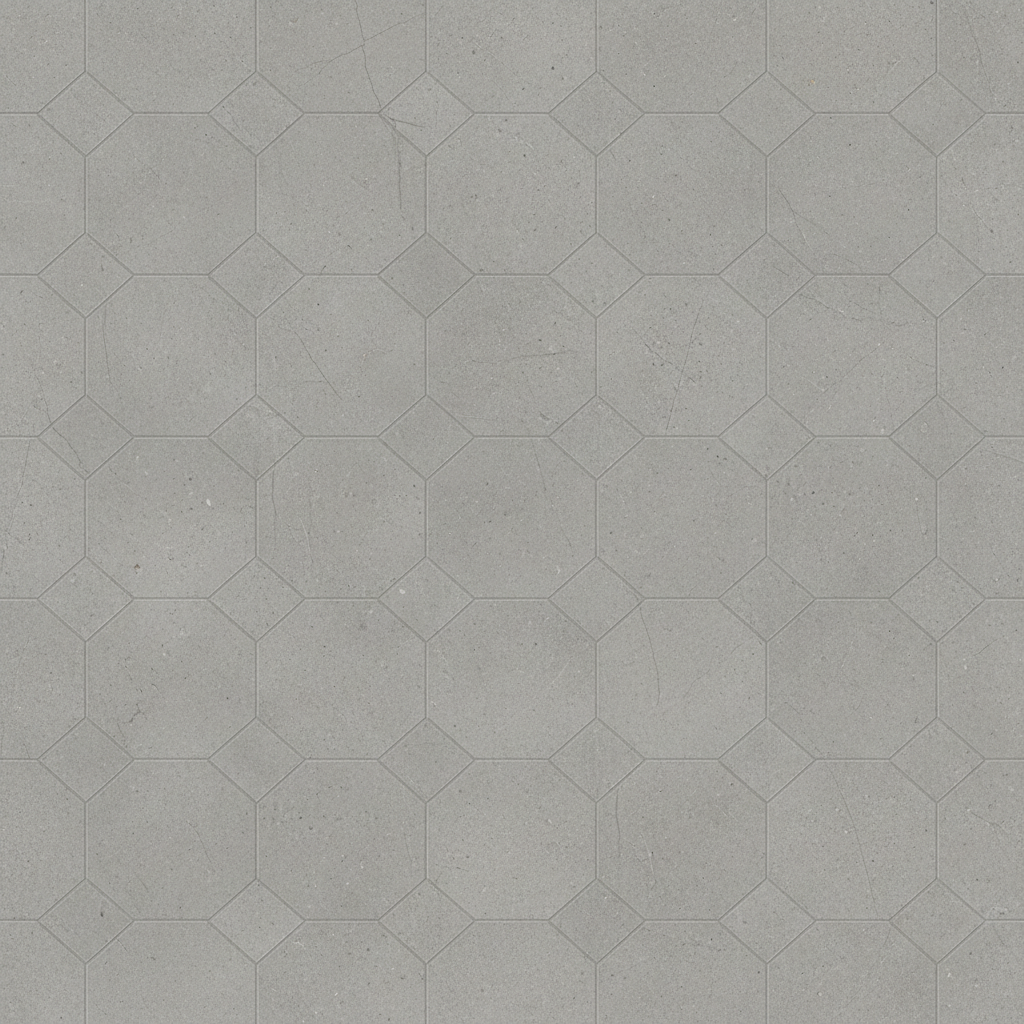
Concrete Gray Irregular Texture
Concrete Gray Irregular Texture shows gray and light gray across a concrete surface with irregular variation and a rough appearance. Use it as a reference for meshes, props, terrain, or architectural materials, then verify repeat landmarks, physical scale, relief, and roughness under the lighting used by the final scene.
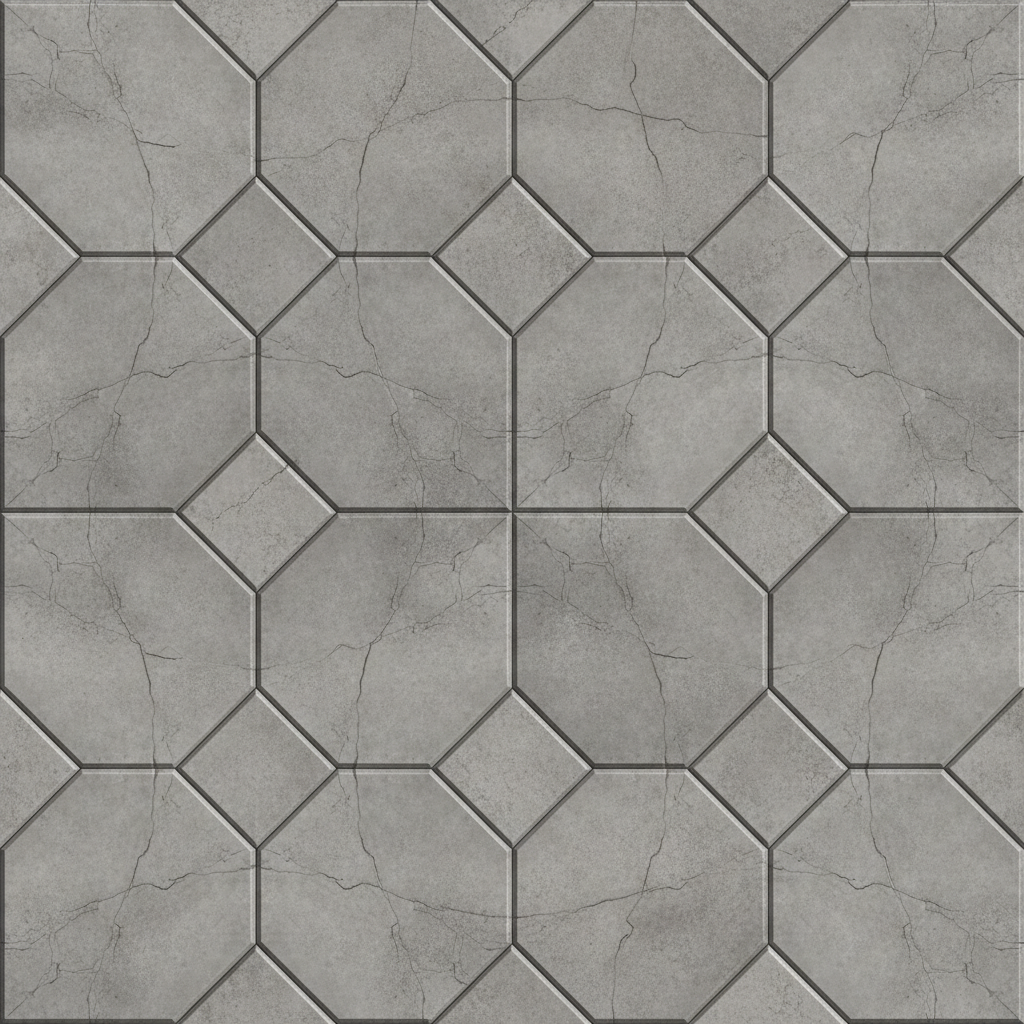
Rough Concrete Irregular Texture
Rough Concrete Irregular Texture shows gray and light gray across a concrete surface with irregular variation and a rough appearance. Use it as a reference for meshes, props, terrain, or architectural materials, then verify repeat landmarks, physical scale, relief, and roughness under the lighting used by the final scene.
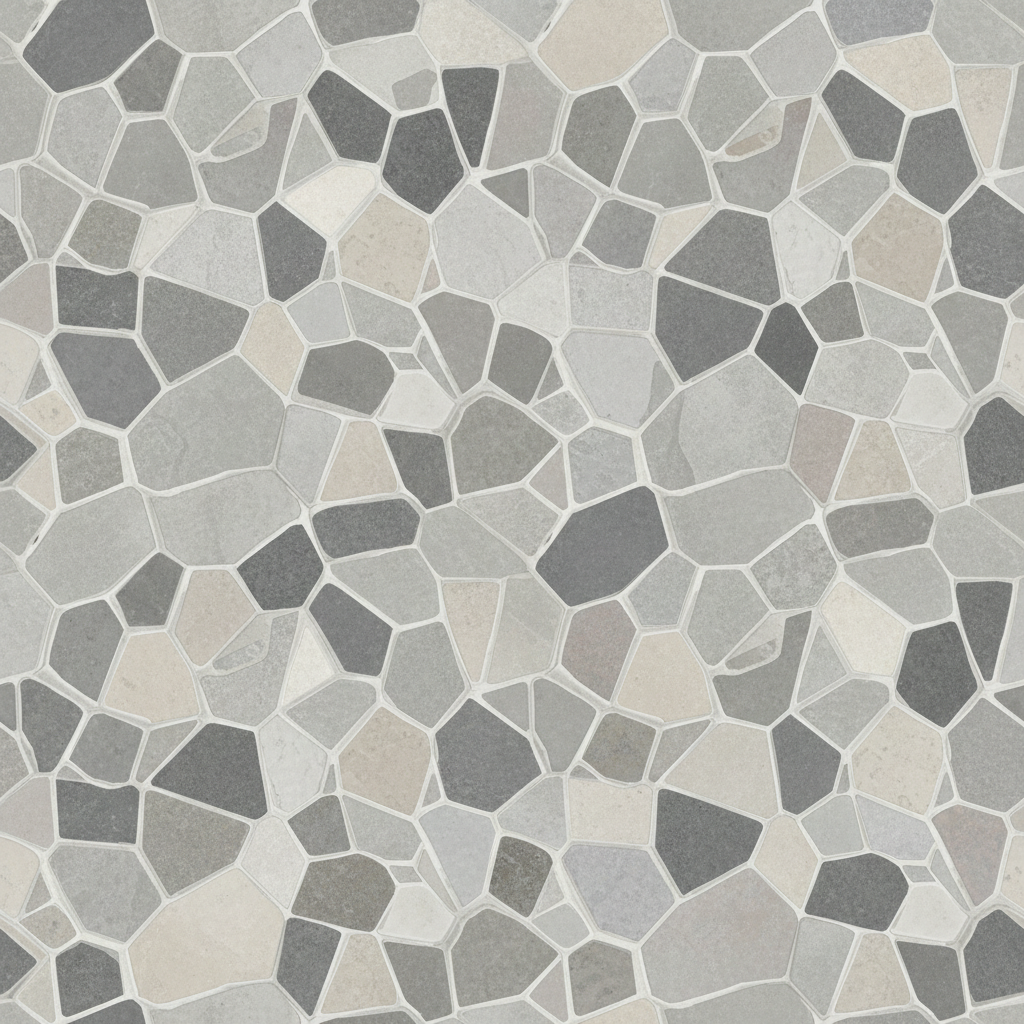
Concrete Gray Beige Texture
Concrete Gray Beige Texture shows gray, beige, and brown across a material surface with irregular variation and a naturalistic appearance. Use it as a reference for meshes, props, terrain, or architectural materials, then verify repeat landmarks, physical scale, relief, and roughness under the lighting used by the final scene.