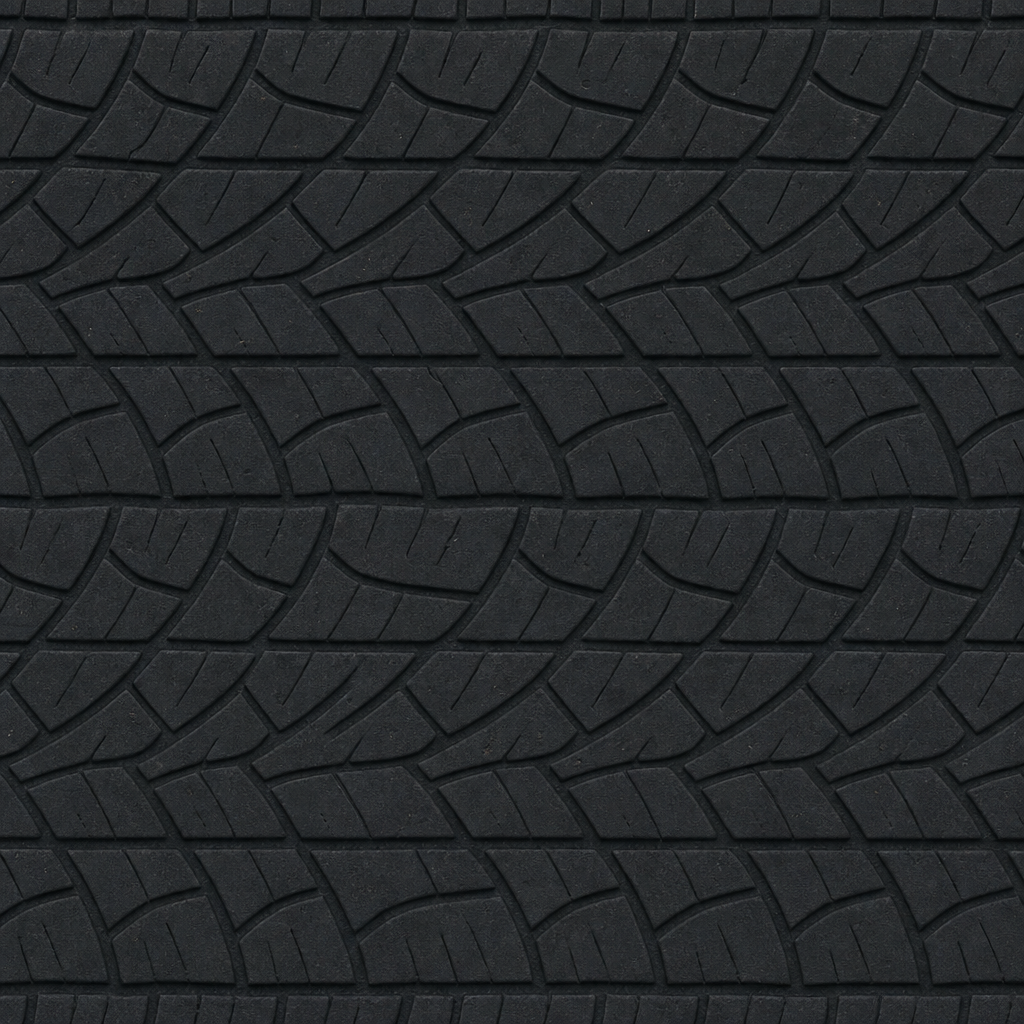
Charcoal Rubber Arc-Rib Tread Texture
The square texture has a charcoal-black matte rubber-like surface with overlapping curved arc ribs, shallow channels, and fine pebbled grain. Use it for tires, protective pads, or industrial rubber trim; inspect the rib depth and spacing before using it on a deforming or close-up surface.
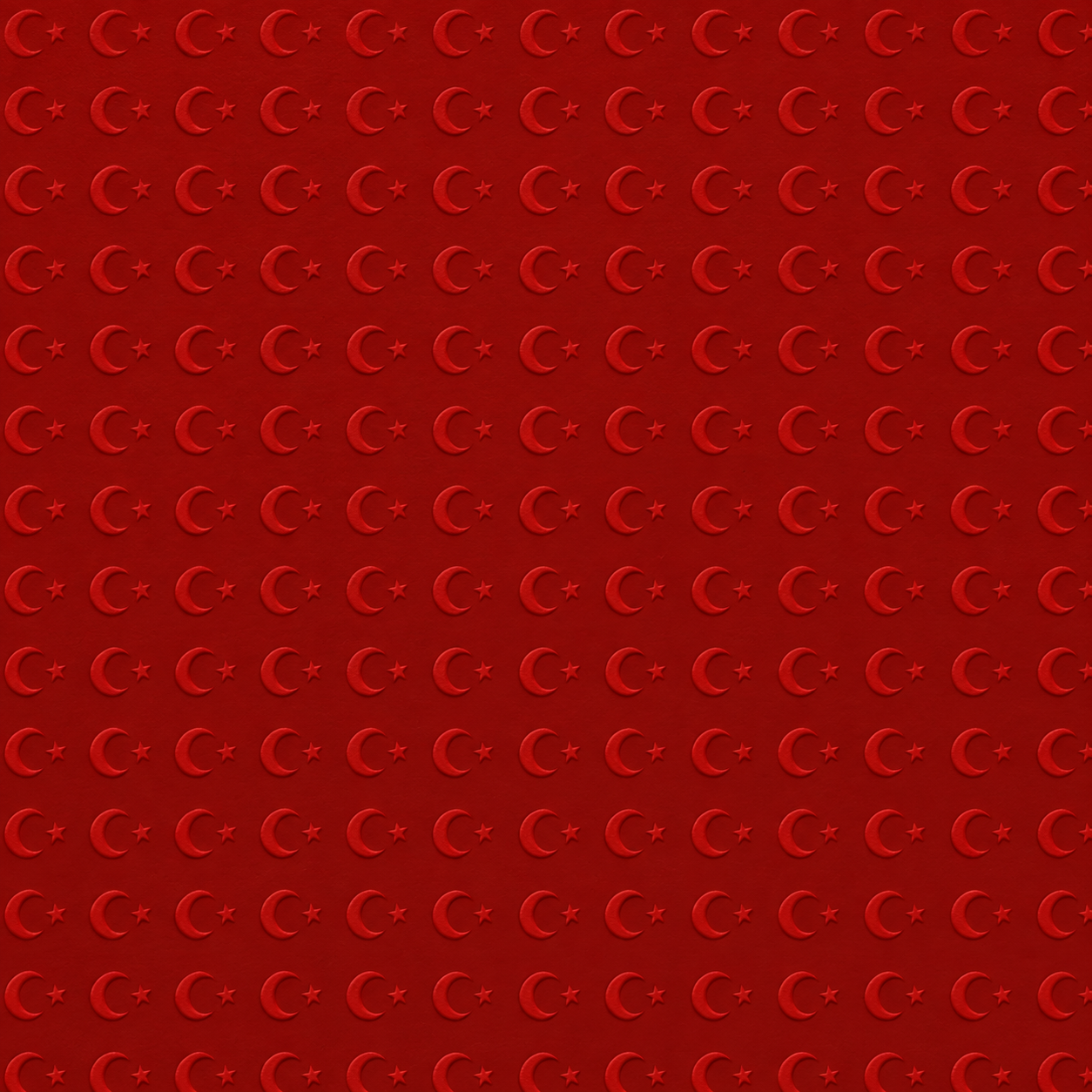
Red Crescent and Star Embossed Rubber Texture
Red Crescent and Star Embossed Rubber Texture shows a vivid red surface embossed with a regular repeat of darker crescent-and-star symbols. Use this visually inspected surface for mats, molded grips, decorative panels, and themed props; confirm physical scale, edge repetition, seam continuity, and material response in the target 3D workflow before final use.
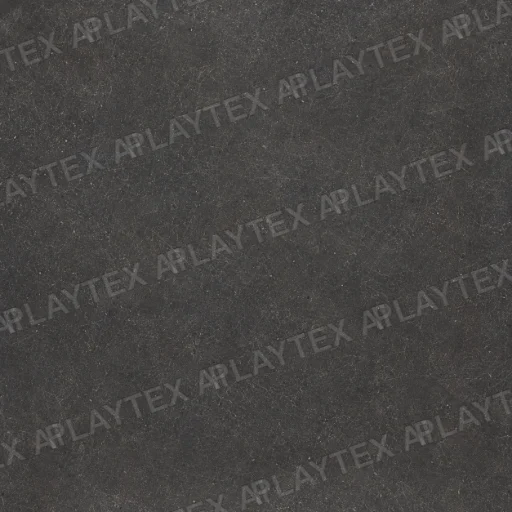
Dusty Charcoal Fine-Grain Rubber Texture
Dusty Charcoal Fine-Grain Rubber Texture shows a dark charcoal matte surface with pale dust, subtle scratches, and fine irregular grain. Use it for grips, mats, tires, seals, or industrial flooring, then confirm the microdetail and low-contrast wear remain distinct after roughness-map generation.
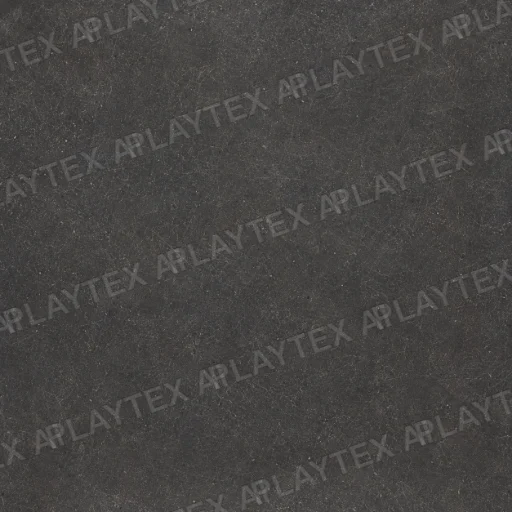
Worn Black Matte Rubber Texture
Worn Black Matte Rubber Texture shows nearly black elastomer with soft gray mottling, faint scuffs, and a restrained matte finish. Use it for tires, flexible props, protective pads, or floor mats, then verify the quiet wear pattern remains visible at the intended texel density.
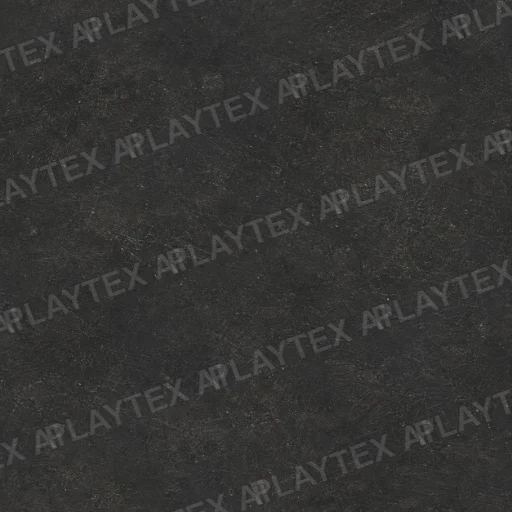
Dark Gray Scratched Rubber Texture
Dark Gray Scratched Rubber Texture shows a charcoal-gray rubber surface with diagonal hairline scratches, dusty speckling, and uneven matte wear. Use it for grips, mats, gaskets, or worn industrial props, then check scratch direction and repetition when the tile covers a broad surface.
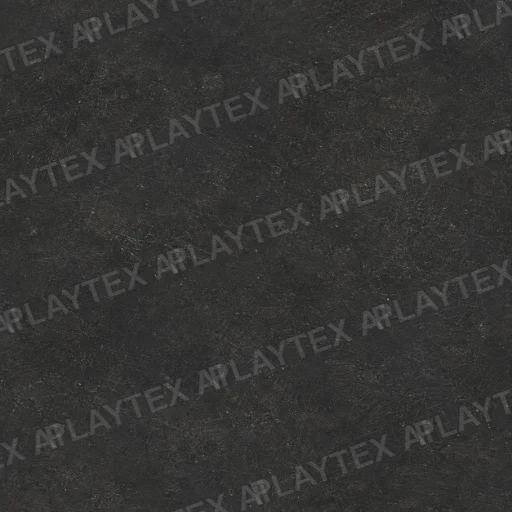
Dark Charcoal Dusty Rubber Texture
Dark Charcoal Dusty Rubber Texture shows a low-contrast black-gray elastomer surface with scattered dust, short micro-scratches, and fine matte grain. Use it for tires, pads, seals, or flexible equipment, then inspect the sparse marks across several tiles so they do not reveal repetition.
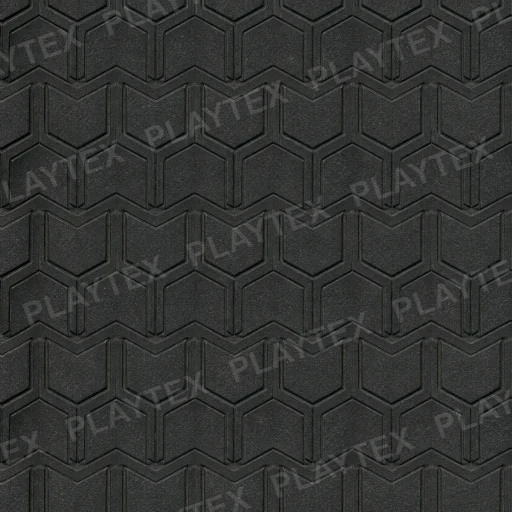
Black Chevron Rubber Tread Texture
Black Chevron Rubber Tread Texture uses repeating raised zigzag ribs with a matte, lightly worn surface. It fits tires, industrial mats, grips, conveyor details, and vehicle props; validate tread size, edge wear, and roughness on the intended geometry.
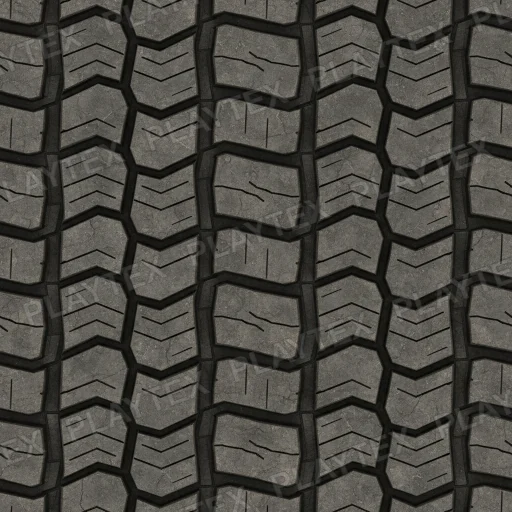
Dark Gray Tread Rubber Texture
Dark Gray Tread Rubber Texture shows dark gray and black across a rubber surface with a tread finish and a naturalistic appearance. Use it as a reference for meshes, props, terrain, or architectural materials, then verify repeat landmarks, physical scale, relief, and roughness under the lighting used by the final scene.
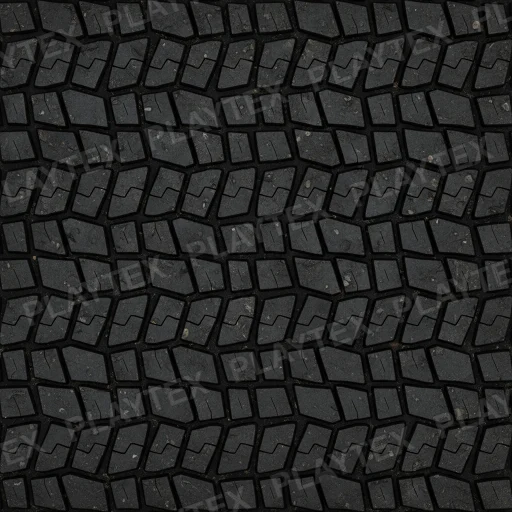
Dark Gray Weathered Tread Rubber Texture
Dark Gray Weathered Tread Rubber Texture shows dark gray and black across a rubber surface with a tread finish and a naturalistic appearance. Use it as a reference for meshes, props, terrain, or architectural materials, then verify repeat landmarks, physical scale, relief, and roughness under the lighting used by the final scene.
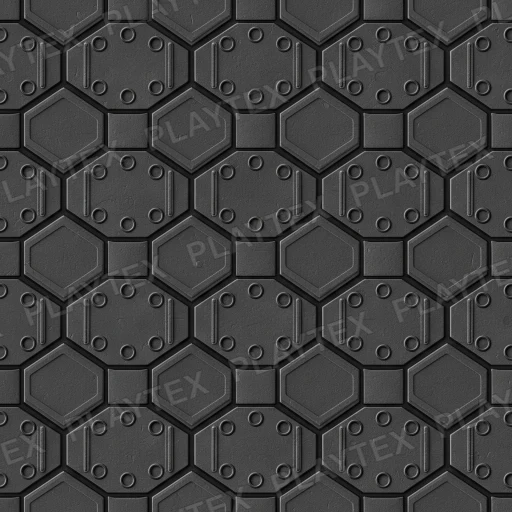
Rubber Dark Gray Texture
Rubber Dark Gray Texture shows dark gray and black across a rubber surface with continuous surface variation and an industrial appearance. Use it as a reference for meshes, props, terrain, or architectural materials, then verify repeat landmarks, physical scale, relief, and roughness under the lighting used by the final scene.