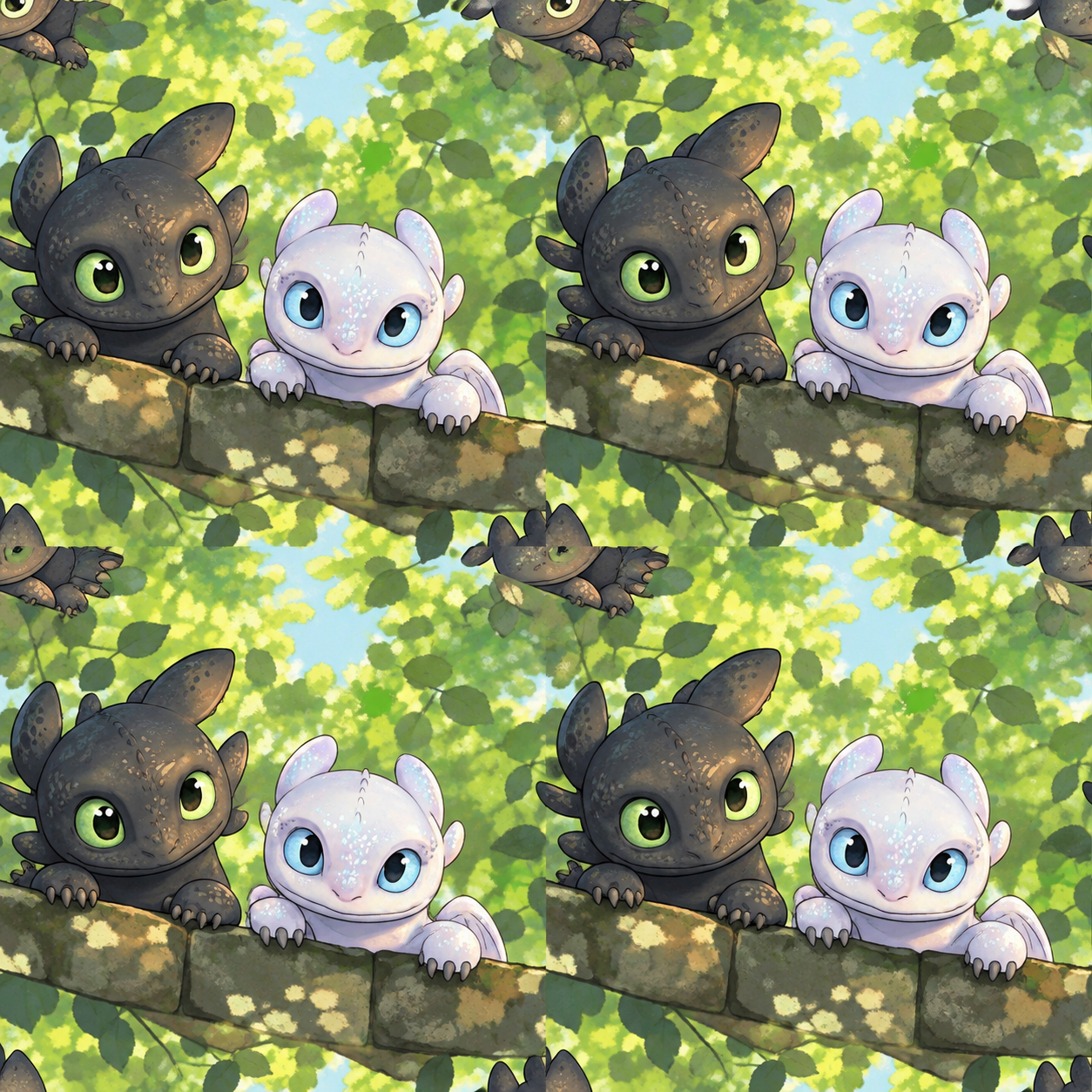
Lime-Green Woodland Dragon Repeat Texture
An illustration repeats a charcoal dragon and pale lavender dragon peeking over mossy stonework beneath a lime-green leafy canopy. Use this PLAYTEX AI texture for fantasy props or decorative surfaces; the characters and foliage are drawn artwork, not photoreal stone or leaf detail.
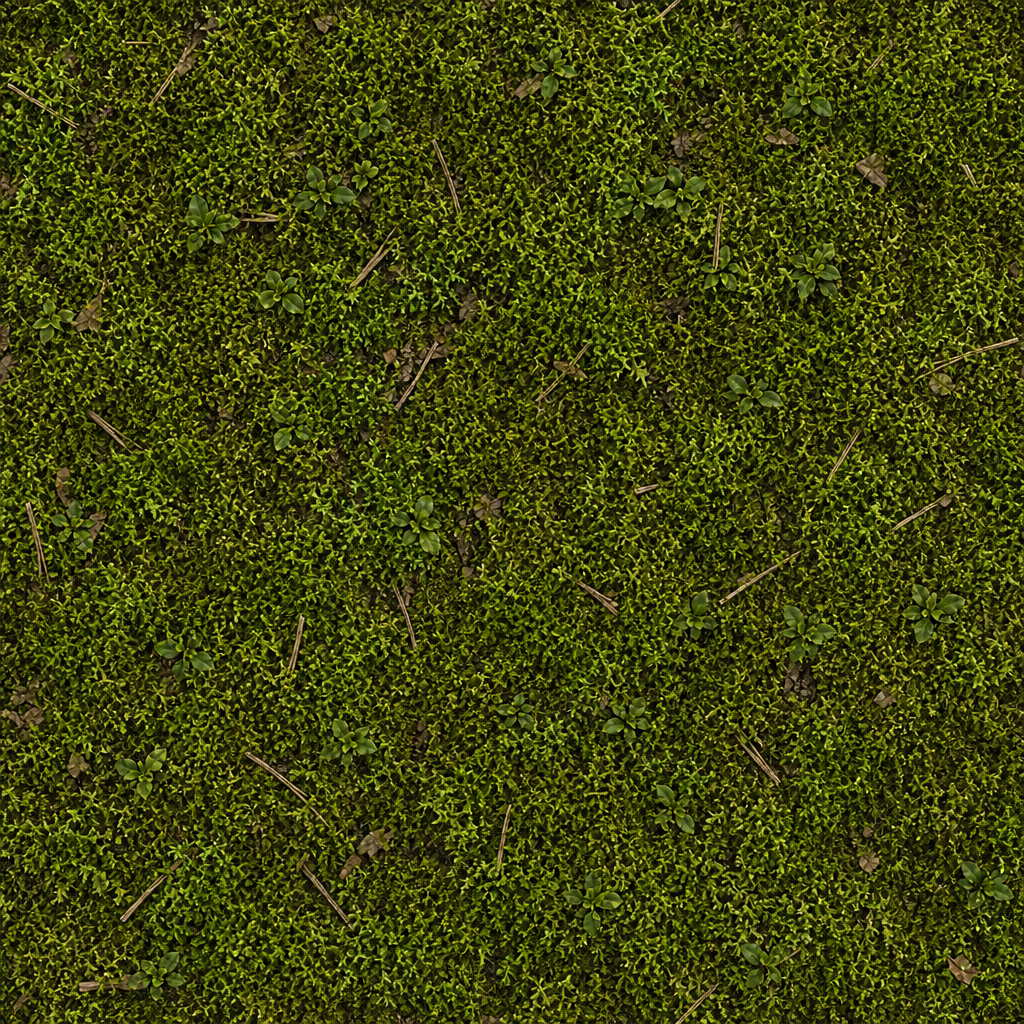
Yellow-Green Moss Groundcover Texture
Dense yellow-green moss and tiny sprigs form an irregular groundcover with occasional dark soil showing through. In a PLAYTEX AI material workflow, use it for shaded terrain or forest-floor patches; check patch scale and visible gaps before repeating it over a large surface.
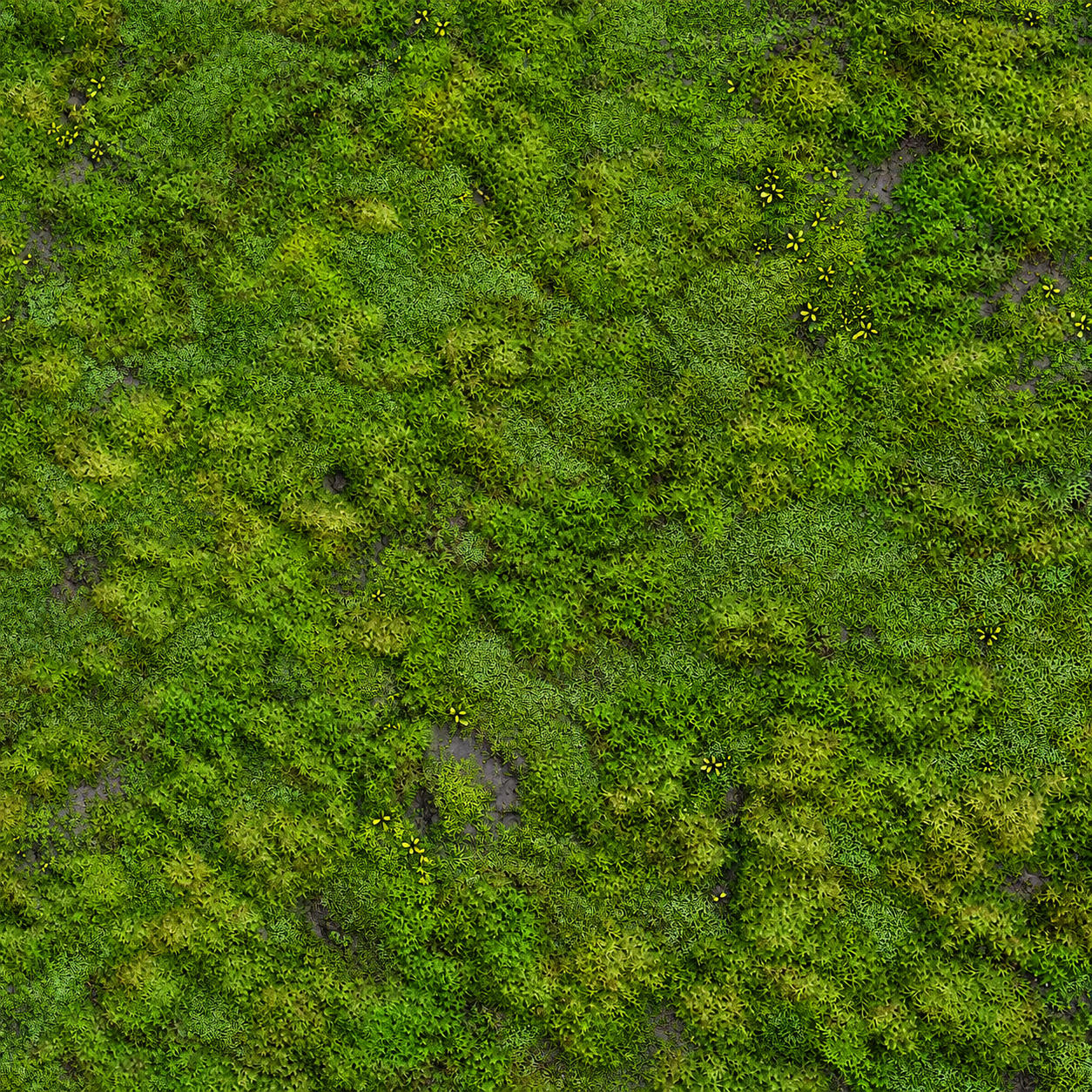
Bright Green Moss and Yellow-Flower Groundcover Texture
Bright green mossy ground contains scattered tiny yellow flowers, gray soil gaps, and slight changes in foliage density. In a PLAYTEX AI environment, use it for spring groundcover patches; check flower scale and darker openings before stretching it across wide terrain.
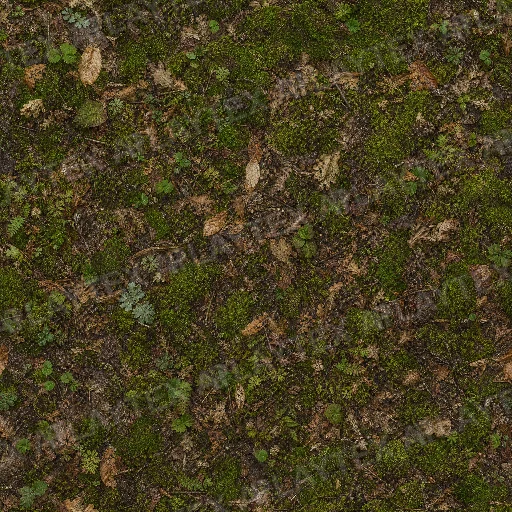
Moss and Leaf-Litter Forest Floor Texture
Moss and Leaf-Litter Forest Floor Texture shows bright green moss, dark damp soil, curled brown leaves, fine twigs, and small fern fragments in a dense organic layer. Use it for shaded woodland ground and close-up terrain dressing, then inspect the coarse leaf clusters, edge continuity, physical scale, and repetition over broad surfaces.
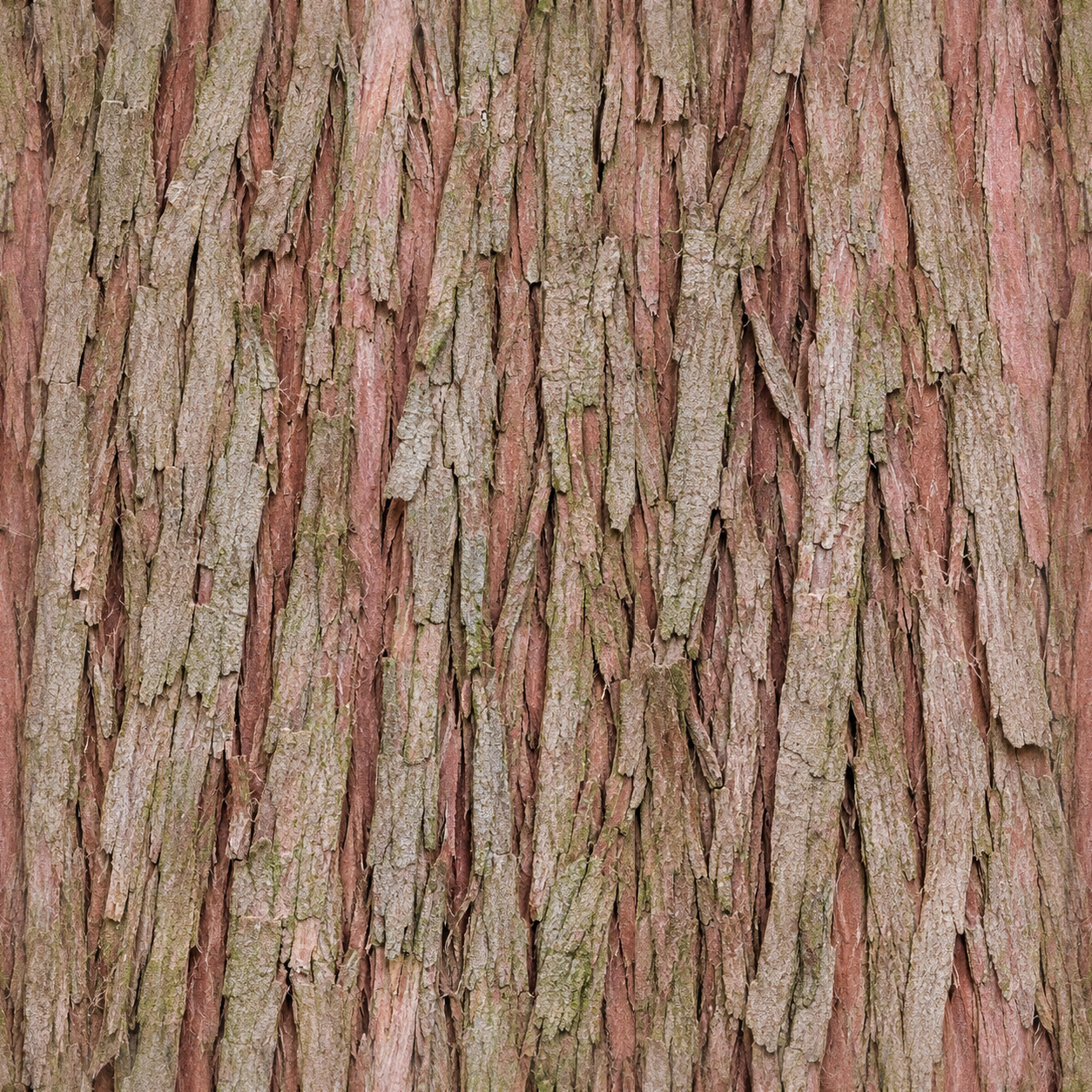
Rose Brown Peeling Tree Bark Texture
Rose Brown Peeling Tree Bark Texture shows layered vertical bark strips with dusty rose, gray-brown, and muted olive tones, curled flakes, deep splits, and traces of lichen. Use it for tree trunks, forest props, close-up nature assets, or weathered organic surfaces, then inspect the full asset for bark scale, repeat landmarks, displacement depth, and edge continuity.
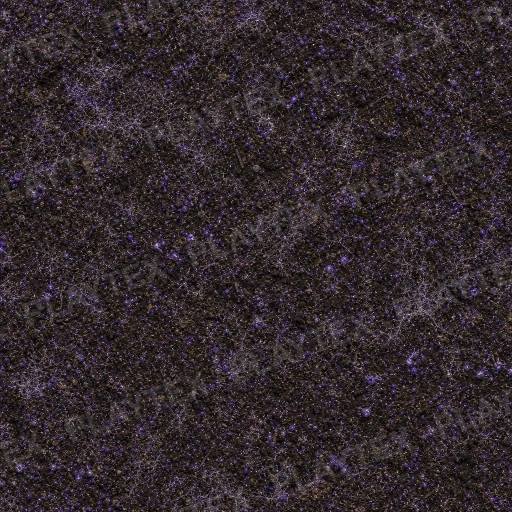
Green Moss Organic Natural Texture
Green Moss Organic Natural Texture shows green, dark brown, and olive across a natural surface with irregular variation and a natural appearance. Use it as a reference for meshes, props, terrain, or architectural materials, then verify repeat landmarks, physical scale, relief, and roughness under the lighting used by the final scene.
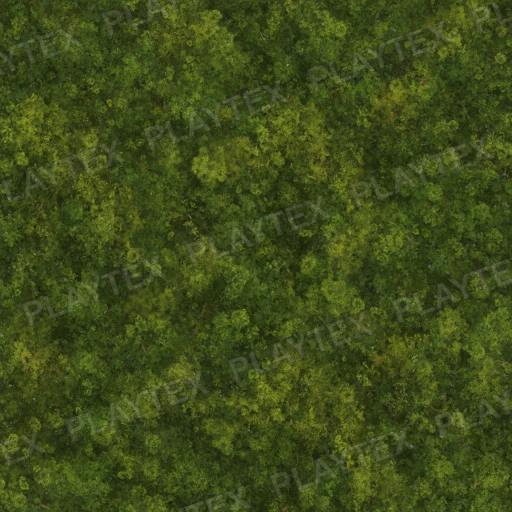
Green Organic Damp Moss Texture
Green Organic Damp Moss Texture shows green, dark green, and brown across a moss surface with an organic pattern and a naturalistic appearance. Use it as a reference for meshes, props, terrain, or architectural materials, then verify repeat landmarks, physical scale, relief, and roughness under the lighting used by the final scene.
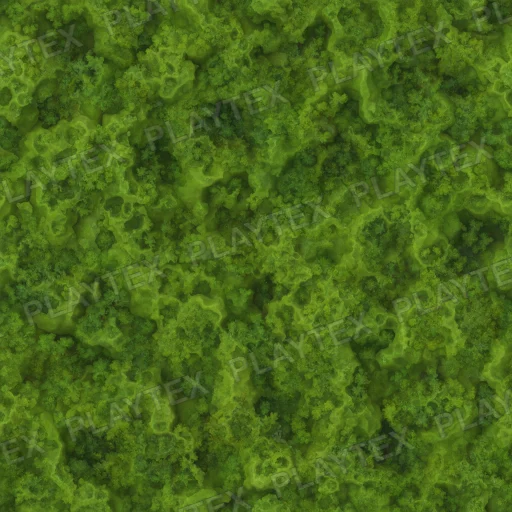
Green Textured Damp Moss Texture
Green Textured Damp Moss Texture shows green, dark green, and brown across a moss surface with a textured finish and a naturalistic appearance. Use it as a reference for meshes, props, terrain, or architectural materials, then verify repeat landmarks, physical scale, relief, and roughness under the lighting used by the final scene.
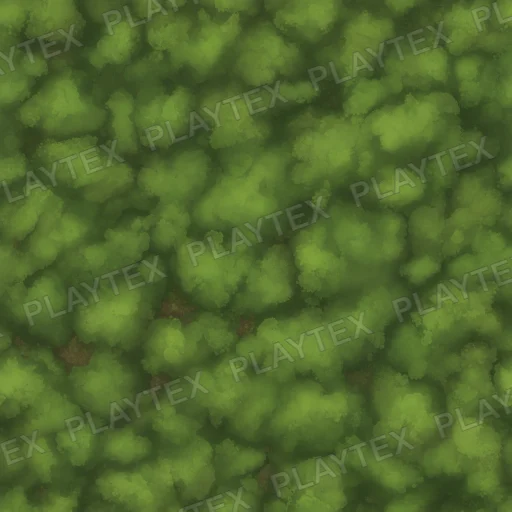
Moss Green Brown Texture
Moss Green Brown Texture shows green, dark green, and brown across a moss surface with an organic pattern and a natural appearance. Use it as a reference for meshes, props, terrain, or architectural materials, then verify repeat landmarks, physical scale, relief, and roughness under the lighting used by the final scene.
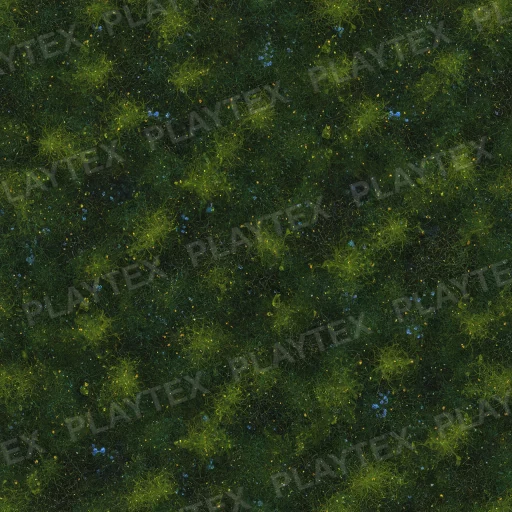
Green Organic Lime Moss Texture
Green Organic Lime Moss Texture shows green, lime green, and dark green across a moss surface with an organic pattern and a natural appearance. Use it as a reference for meshes, props, terrain, or architectural materials, then verify repeat landmarks, physical scale, relief, and roughness under the lighting used by the final scene.