Where leather textures fit
- Upholstery and interior props
- Clothing, bags, books, and accessories
- Smooth, suede, and weathered hide
- Leather pore and roughness studies
Texture Category
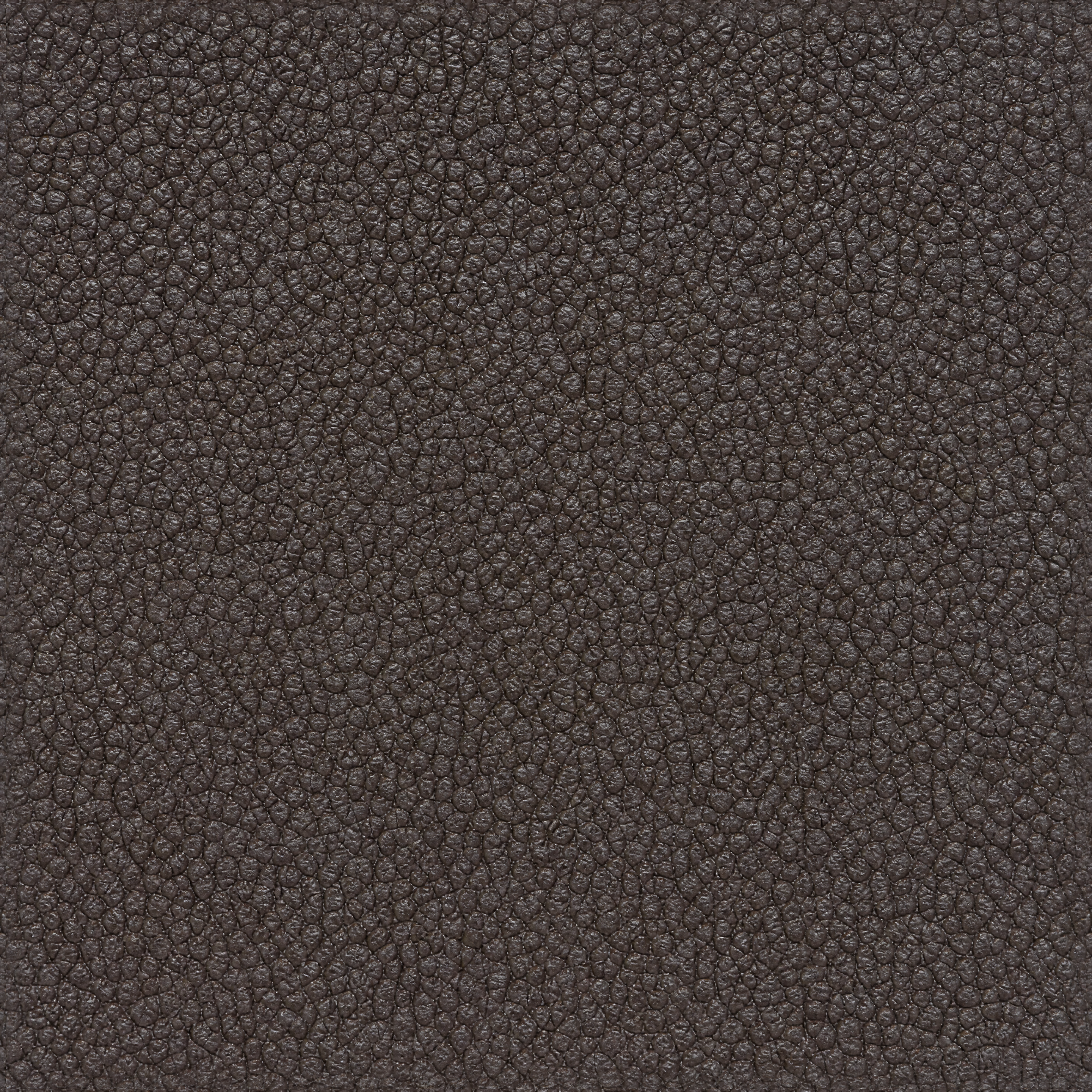
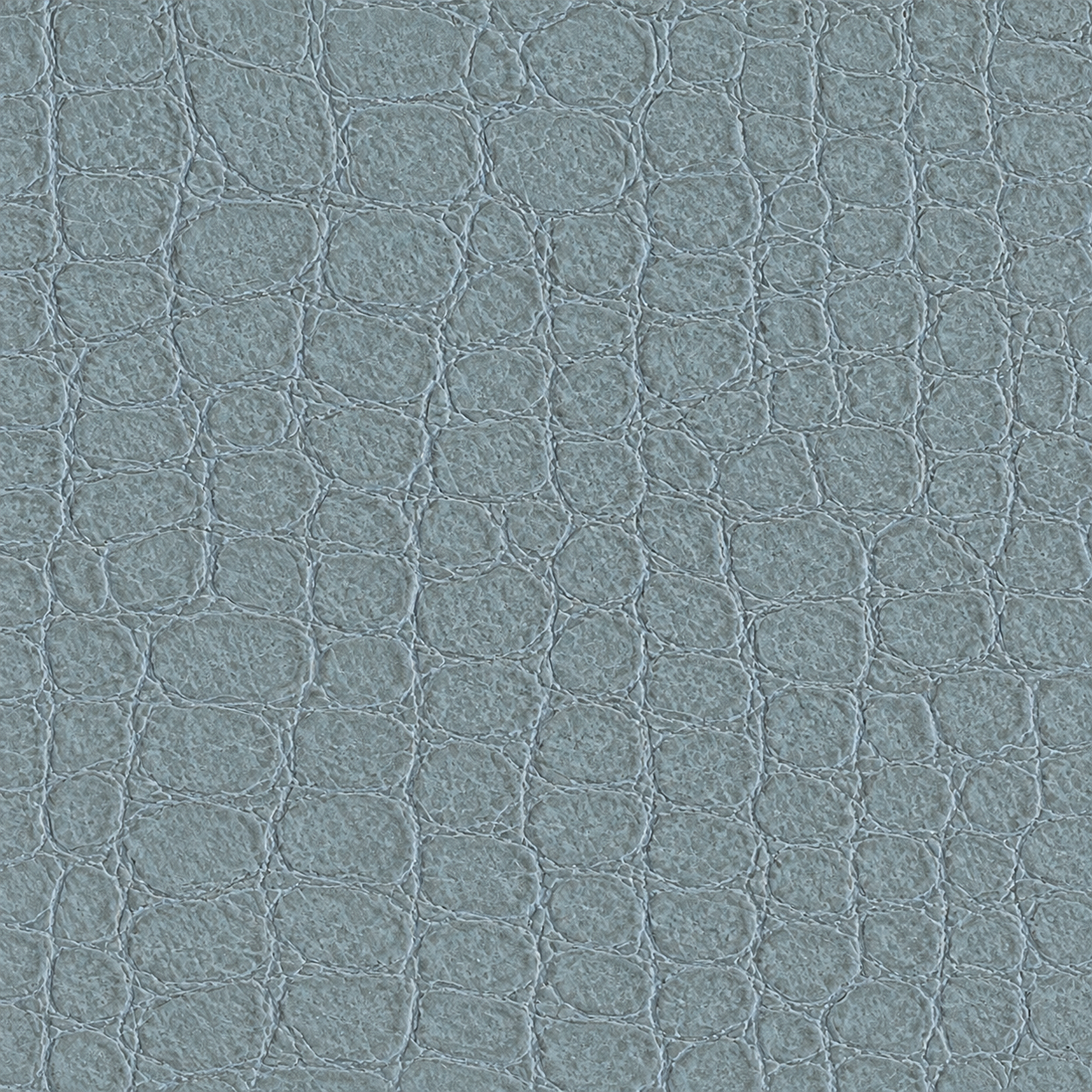
Explore smooth, pebbled, suede, cracked, and worn leather surfaces. Good leather materials preserve believable pore scale and use roughness, creasing, and wear to distinguish natural hide from plastic or fabric.
Choose a public asset as a visual starting point, create a related variation, or turn the selected surface into a coordinated PBR map stack for a realtime engine or renderer.
Curated from the public library
Featured and editor-selected assets appear first, followed by the newest public additions in this material family.

worn leather
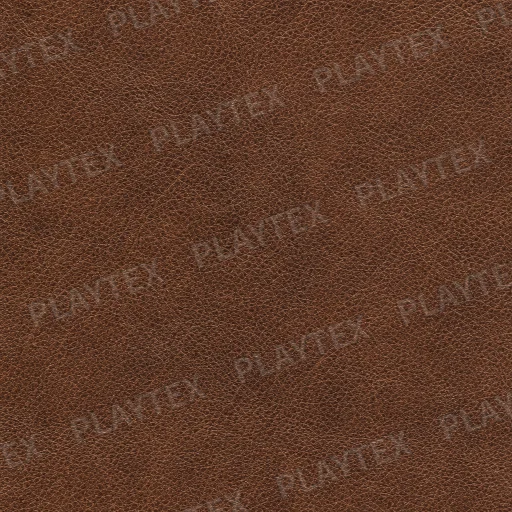
Brown Pebbled Leather Texture has a warm chestnut tone, dense fine pores, and restrained natural variation. It fits upholstery, bags, books, clothing accents, and worn props; confirm pore scale and keep creases, edge wear, and gloss consistent across the PBR maps.
Continue the workflow
Create a new seamless source texture from a material brief, style, and scale.
PBR Map GeneratorTurn a chosen surface into normal, roughness, metallic, AO, height, and emission maps.
Image to Texture GeneratorConvert a photo, scan, or reference image into a repeat-safe texture source.
Learn the workflow
Learn how to control material family, visual style, pattern scale, and tile continuity.
PBR Map Generator GuideBuild and review a coordinated map stack before engine handoff.
Image to Texture GuidePrepare photos and scans for seamless material use without carrying source-image artifacts forward.
Find cloth, silk, canvas, woven, synthetic, and upholstery-ready surfaces with repeatable fiber structure. These textures help soft materials read through weave scale and roughness instead of relying on baked lighting.
Seamless Wood Textures for 3D MaterialsBrowse wood textures for 3D scenes, games, architectural visualization, and digital art. Explore seamless and tileable wood grain, planks, floors, plywood, bark, bamboo, painted timber, and weathered wood, then create a related variation or turn a surface into a coordinated PBR material.
Plastic TexturesBrowse plastic, polymer, acrylic, and molded synthetic surfaces for props, panels, products, and stylized environments. Plastic materials depend on believable roughness, fine molded grain, and restrained wear rather than metallic response.
Rubber TexturesBrowse clean, dirty, treaded, and worn rubber surfaces for tires, grips, seals, mats, and industrial props. Rubber materials depend on restrained specular response and surface-scale detail, so tread, scuffing, and roughness should remain separate from baked lighting.