Texture Category

Plastic Textures

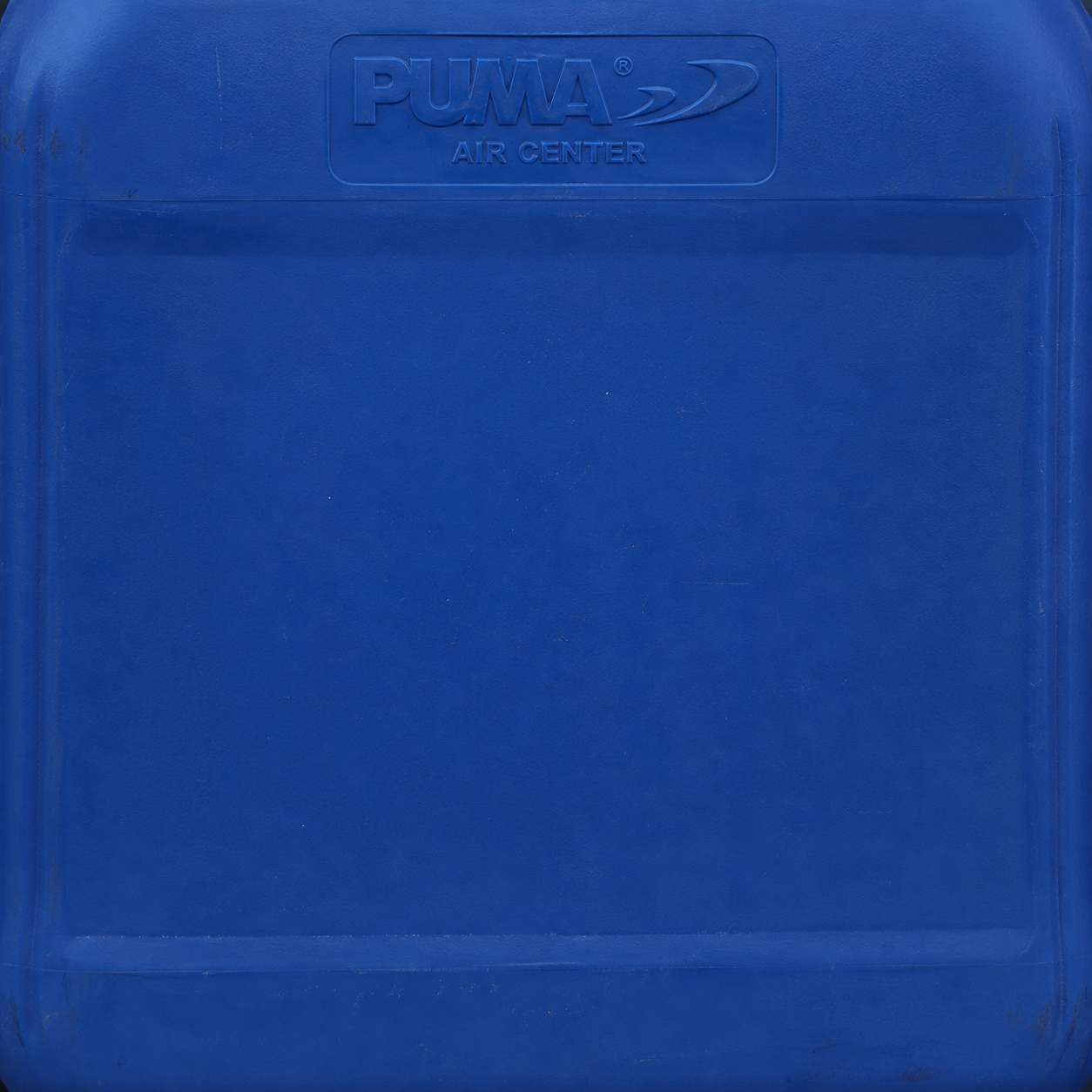
Browse plastic, polymer, acrylic, and molded synthetic surfaces for props, panels, products, and stylized environments. Plastic materials depend on believable roughness, fine molded grain, and restrained wear rather than metallic response.

Where plastic textures fit

  • Molded props and product surfaces
  • Matte, glossy, and translucent polymers
  • Synthetic panels and hard-surface details
  • Plastic roughness and normal-map studies

Build a complete material

Choose a public asset as a visual starting point, create a related variation, or turn the selected surface into a coordinated PBR map stack for a realtime engine or renderer.

Curated from the public library

Popular Plastic assets

Featured and editor-selected assets appear first, followed by the newest public additions in this material family.

Material selection guide

What makes a plastic texture read as plastic?

Plastic usually reads through controlled roughness, fine molded detail, clean color response, and restrained wear rather than metallic reflection. Choose a source whose grain and wear scale match the prop, panel, or product that will use it.

Updated by PLAYTEX AI Editorial Team.

What changed

  • Added an answer-first material guide for plastic, polymer, acrylic, and molded synthetic surfaces.
  • Added a comparison table for plastic, rubber, glass, and coated-metal decisions.
  • Added a dated editorial review separate from the dates of community assets in the collection.

default material class

Non-metal

Metallic response is normally restrained unless a real coating changes the surface.

primary visual cue

Roughness

Matte, satin, and glossy finishes separate otherwise similar polymers.

surface detail

Fine scale

Mold grain, scratches, and edge wear should match the modeled object.

Decision table

Choose the material family by surface behavior

Decision guide for plastic and polymer texture library
SituationChooseWhy
The surface is rigid, molded, painted, or acrylic. Plastic textures Use roughness and fine normal detail to distinguish the finish.
The surface is flexible, soft, or grip-like. Rubber textures Rubber generally needs a softer response and different wear cues.
Transmission and refraction define the surface. Glass textures A transparent material workflow is a better starting point than opaque plastic.
A conductive layer is genuinely exposed. Metal or coated-metal workflow Validate metallic response from the real surface construction rather than appearance alone.

Scope and limitations

A category page is a source library, not a guarantee that every community asset includes the same maps, license, resolution, or download access. Review the individual asset page before production use.

How this page was reviewed

The editorial review covered the category definition, use cases, related material families, tool links, guide links, and collection-level scope.

Read the PLAYTEX AI editorial policy.