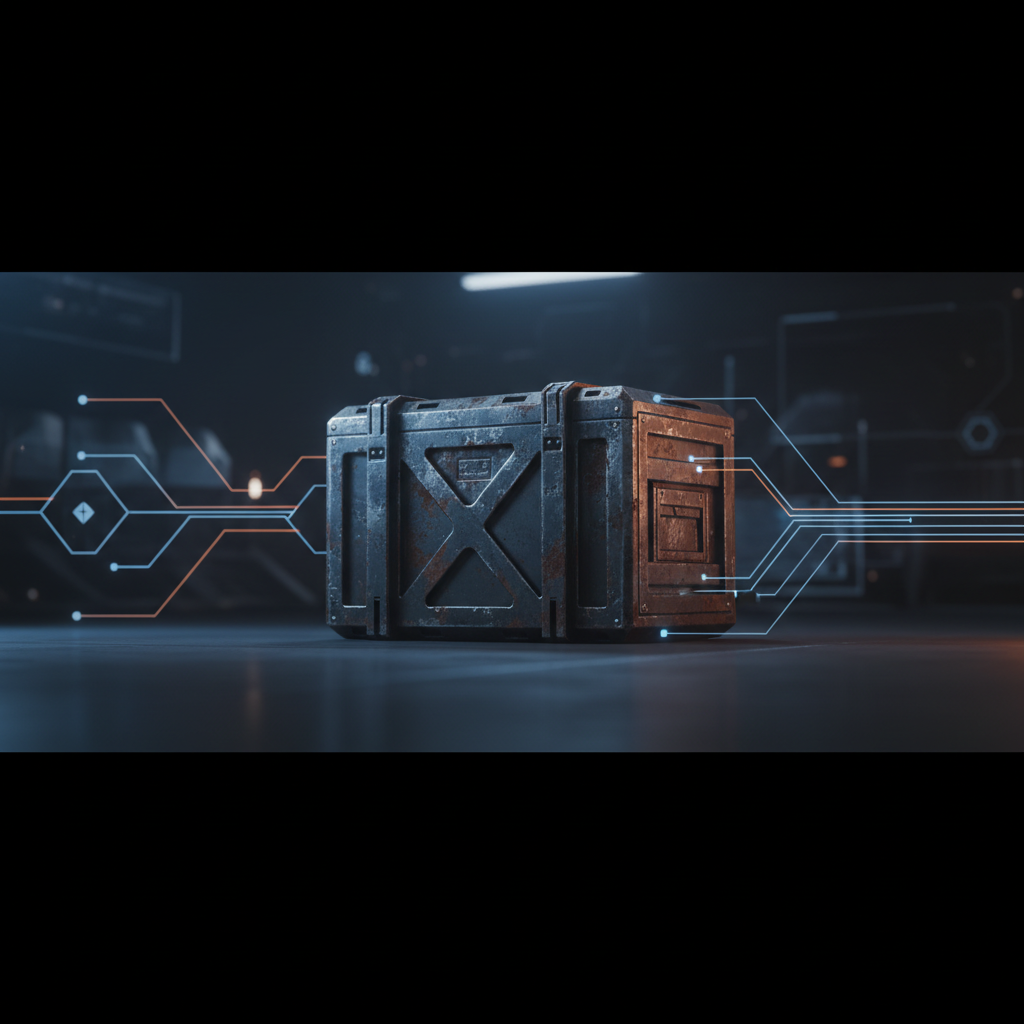
In the complex world of game development, consistency and predictability are not just desirable; they are essential for shipping high-quality titles on time. As artists and developers push the boundaries of visual fidelity, the underlying processes for creating assets must be robust and repeatable. This is where the concept of deterministic mapping becomes critical.
Deterministic mapping refers to a workflow where a given set of inputs will always produce the exact same output. For game assets, particularly textures and materials, this means that every time you generate a PBR map or process a texture, the result is predictable and consistent. It's about eliminating unwanted randomness and ensuring that your creative vision translates reliably into your game engine.
What is Deterministic Mapping in Game Development?
At its core, deterministic mapping ensures that your material generation process is repeatable and predictable. Imagine applying a specific set of parameters to generate a rust texture: with a deterministic workflow, you are guaranteed to get the identical rust texture every single time you use those same parameters. This contrasts sharply with purely random or highly variable generative processes where the output might subtly (or drastically) change with each execution, even with identical initial settings.
In game development, this principle applies across various stages, from procedural texture generation to the creation of PBR (Physically Based Rendering) maps like albedo, normal, roughness, and metallic. It's about having control over your inputs and understanding how they translate into your final asset, ensuring that the 'black box' of creation is transparent and manageable.
The Imperative of Consistency: Why Determinism Matters
For game creators, consistency is paramount. A non-deterministic workflow can introduce subtle variations that accumulate across thousands of assets, leading to visual inconsistencies, unexpected artifacts, and a fragmented aesthetic. Deterministic mapping directly addresses these challenges, providing a foundation for reliable asset production.
"Consistency in asset creation isn't just about aesthetics; it's about technical stability and pipeline efficiency. Deterministic mapping ensures that what you see is what you get, every time."
This reliability is crucial for several reasons: it ensures visual fidelity across different game environments, reduces the need for constant manual adjustments, and speeds up iteration cycles. When you know your outputs are consistent, you can confidently make changes to inputs, knowing the impact will be precise and predictable.
Deterministic vs. Purely Generative Workflows
The rise of AI in content creation has introduced powerful generative tools. However, not all generative processes are deterministic. A purely generative AI might produce unique, novel outputs each time, which is excellent for exploration but challenging for production where specific, repeatable results are needed. Deterministic mapping bridges this gap by integrating control into generative processes.
For instance, an AI texture generator can be made deterministic by providing specific seed values, input masks, or style references that guide its output predictably. This allows artists to leverage the power of AI for rapid content creation while retaining the control necessary for production-grade assets. PLAYTEX, for example, focuses on providing tools that offer this balance, allowing creators to explore with AI while maintaining a deterministic output pipeline for their final assets.
Core Principles for Achieving Deterministic Material Outputs

Implementing deterministic mapping requires adherence to several core principles that ensure predictability and control throughout your asset pipeline:
- Standardized Inputs: Begin with consistent source data. Whether it's a high-poly sculpt, a reference image, or a set of procedural parameters, ensure these inputs are well-defined and version-controlled.
- Procedural Generation with Controlled Parameters: Leverage procedural tools that allow explicit control over every aspect of the material. Tools like PLAYTEX's PBR map generator excel here, allowing you to define parameters that consistently yield the same PBR maps.
- Version Control for Material Definitions: Treat your material graphs, node setups, and parameter sets as code. Use version control systems to track changes, allowing you to revert to previous states and ensure everyone on the team is working with the same definitions.
- Clear Documentation: Document the parameters, inputs, and expected outputs for each material. This ensures that any artist can reproduce a material accurately.
Streamlining Team Collaboration and Production Pipelines
Deterministic mapping is not just about individual artist efficiency; it's a cornerstone of effective team collaboration and scalable production pipelines. When every artist on a team can generate identical materials from the same inputs, it eliminates countless hours of rework and communication overhead.
Consider a scenario where multiple environment artists are working on different sections of a game world. If their material generation workflows are deterministic, a 'mossy rock' material will look identical across all sections, regardless of who generated it. This consistency simplifies asset handoffs, quality assurance, and integration into the game engine. It also makes it easier to update materials globally; change one set of parameters, and the updated material can be reliably regenerated across all relevant assets.
PLAYTEX: Empowering Predictable PBR Workflows
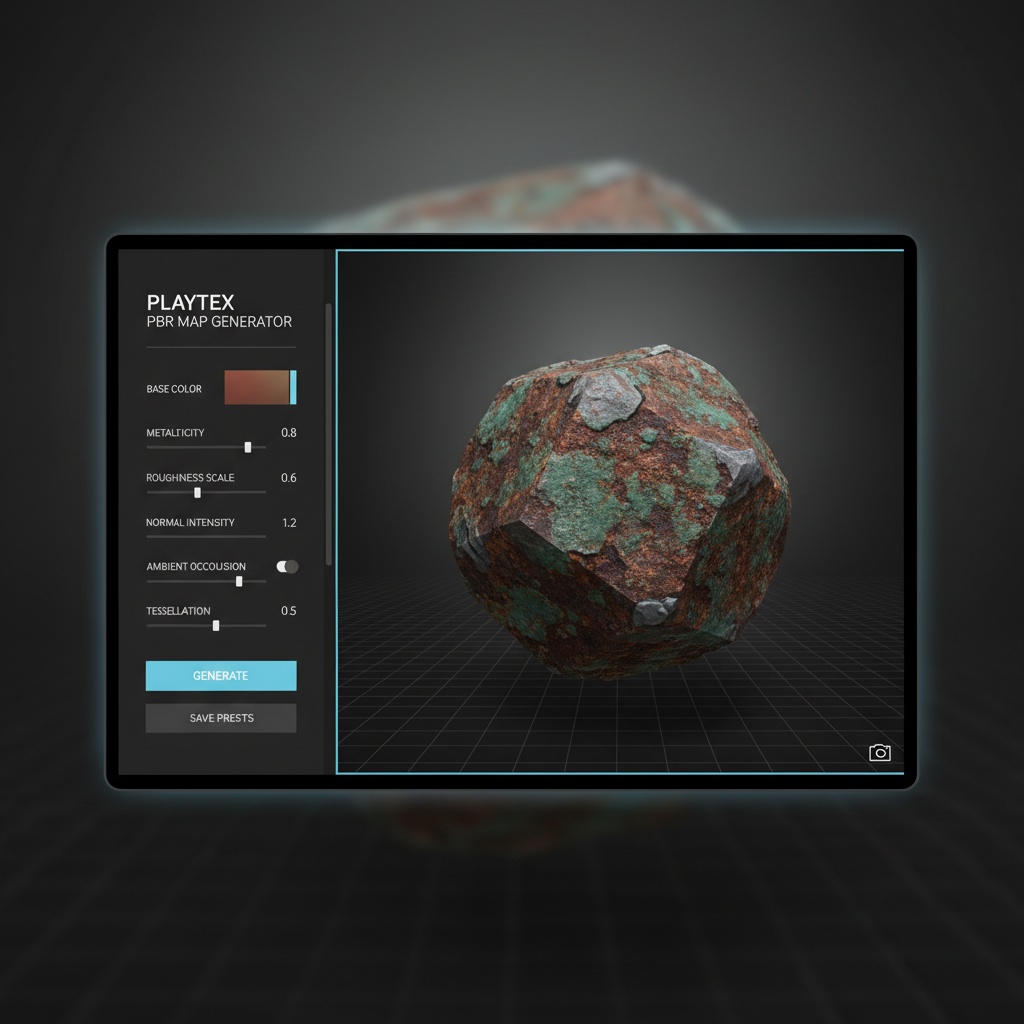
PLAYTEX is built on the philosophy of empowering creators with production-grade tools that deliver reliable results. Our platform’s PBR map generator and AI texture generation capabilities are designed with deterministic principles in mind, giving artists the control they need to produce consistent, high-quality assets.
With PLAYTEX, you can define your inputs, set your parameters, and trust that the generated PBR maps—whether albedo, normal, roughness, or metallic—will be precisely what you expect, every time. This focus on predictability ensures that your creative iterations are efficient and your final assets are always engine-ready. Our image-to-texture workflows also emphasize controlled transformation, converting source images into usable PBR materials with predictable outcomes.
Practical Tips for Implementing Deterministic Workflows
To fully leverage deterministic mapping in your game development projects, consider these practical tips:
- Establish Clear Asset Guidelines: Define standards for material inputs, naming conventions, and parameter ranges. This ensures everyone is speaking the same language.
- Leverage Procedural Tools: Invest in and utilize tools that offer robust procedural capabilities, allowing you to define materials through graphs and parameters rather than purely manual painting.
- Regularly Validate Outputs: Integrate automated or semi-automated checks to validate material outputs against established benchmarks. This catches inconsistencies early.
- Educate Your Team: Ensure all artists and technical artists understand the importance of deterministic workflows and how to implement them using your chosen tools and pipelines.
Conclusion
Deterministic mapping is more than just a technical concept; it's a fundamental approach to building reliable, high-quality game assets. By embracing predictability and control in your texture and material generation workflows, you empower your team to work more efficiently, maintain visual consistency, and ultimately deliver a more polished and immersive experience for players. Tools like PLAYTEX are designed to make this powerful approach accessible, allowing you to focus on creativity without sacrificing control or consistency.